16 citations
,
June 2022 in “Transgender Health” Oocyte retrieval is possible for transgender men on testosterone therapy without affecting fertility outcomes.
 June 2003 in “Obstetrical & Gynecological Survey”
 Postmenopausal ovary stromal cells have a unique makeup and limited steroid production, suggesting androgens come from the adrenal gland.
 November 2021 in “Elsevier eBooks”
 Antiandrogens are used to manage polycystic ovary syndrome by reducing androgen levels or controlling their effects, often combined with lifestyle changes and other treatments.
 10 citations
,
November 2010 in “Journal of Pharmacy Practice”
10 citations
,
November 2010 in “Journal of Pharmacy Practice” The document says PCOS is a common hormonal disorder in women, diagnosed by certain criteria, and managed with lifestyle changes and various medications.
 February 2020 in “Diabetologie Und Stoffwechsel”
 The document concludes that more research is needed to include new treatments in guidelines for Polycystic Ovary Syndrome (PCOS).
 169 citations
,
August 2004 in “Baillière's best practice & research. Clinical obstetrics & gynaecology/Baillière's best practice and research in clinical obstetrics and gynaecology”
169 citations
,
August 2004 in “Baillière's best practice & research. Clinical obstetrics & gynaecology/Baillière's best practice and research in clinical obstetrics and gynaecology” Lower doses of treatments for hirsutism and acne in PCOS are effective and cause fewer side effects.
 18 citations
,
May 2017 in “Fertility Research and Practice”
18 citations
,
May 2017 in “Fertility Research and Practice” Larger ovarian size is linked to higher insulin resistance in women with PCOS.
April 2019 in “Journal of the Endocrine Society” A woman's severe insulin resistance improved with treatment, but she still had high testosterone levels due to ovarian issues.
 2 citations
,
November 2025 in “Journal of Ovarian Research”
2 citations
,
November 2025 in “Journal of Ovarian Research” Reducing granulosa cell pyroptosis may improve oocyte maturation in PCOS.
 42 citations
,
September 2007 in “The Journal of Clinical Endocrinology and Metabolism”
42 citations
,
September 2007 in “The Journal of Clinical Endocrinology and Metabolism” The research found that polycystic ovary syndrome (PCOS) has two distinct types, with one having more severe hormone and insulin issues.
 1 citations
,
January 2017 in “Indian Journal of Pharmaceutical Sciences”
1 citations
,
January 2017 in “Indian Journal of Pharmaceutical Sciences” Women with PCOS often have different clinical signs, hormone levels, and gynecological issues compared to those without the condition.
47 citations
,
July 2016 in “Current pharmaceutical design” The document concludes that managing hirsutism in PCOS involves long-term treatment guided by severity, using oral contraceptives and possibly antiandrogens, with attention to individual patient needs.
16 citations
,
January 2014 in “Obesity surgery” Vertical sleeve gastrectomy improved metabolism, behavior, and reproduction in obese rats with PCOS.
 4 citations
,
January 2019 in “Obstetrics & gynecology science”
4 citations
,
January 2019 in “Obstetrics & gynecology science” A PET-CT scan successfully located a hard-to-find Leydig cell tumor in a woman with hormonal symptoms.
 4 citations
,
June 2007 in “PubMed”
4 citations
,
June 2007 in “PubMed” Effective management of PCOS includes lifestyle changes, medication for menstrual regulation, fertility treatments, and cosmetic issue remedies.
 8 citations
,
February 2020 in “Fertility and Sterility”
8 citations
,
February 2020 in “Fertility and Sterility” Operative hysteroscopy is still the main treatment for Asherman syndrome, but more research is needed on post-surgery methods.
April 2019 in “Journal of the Endocrine Society” Glucocorticoid treatment lowered androgen levels but didn't improve hirsutism or ovulation and caused weight gain.
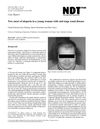
A young woman with kidney failure had hair loss due to a common hormonal disorder, which improved with hormone therapy.
 6 citations
,
April 2009 in “Fertility and Sterility”
6 citations
,
April 2009 in “Fertility and Sterility” Finasteride helps induce ovulation in nonresponder PCOS women.
3 citations
,
December 2024 in “EClinicalMedicine” Anti-androgens are not better than birth control pills for PCOS, but can help with excess hair if pills don't work.
 July 2026 in “Journal of Ovarian Research”
 Anti-androgen therapy is effective and safe for managing PMOS, with a focus on personalized treatment.
 April 2020 in “Journal of the Endocrine Society”
 A rare ovarian tumor that produced testosterone caused a blood clot in the lungs and increased red blood cells in a woman.
 February 2020 in “Acta Scientific Women's Health”
 PCOS is a common condition in women that can lead to infertility and other health issues, and it's diagnosed by specific criteria with various treatment options available.
May 2026 in “International Journal of Innovative Technologies in Social Science” PCOS is best managed with personalized lifestyle changes, medications, and sometimes surgery.
April 2025 in “The Obstetrician & Gynaecologist” Hirsutism is managed by assessing testosterone levels and using oral contraceptives, with ethical considerations on treatment access.
9 citations
,
November 2013 in “Gynecological Endocrinology” A woman had high testosterone due to an ovarian issue, which was fixed with surgery.
April 2026 in “Middle European Scientific Bulletin” Early diagnosis and personalized treatment of PCOS improve quality of life and prevent complications.
March 2026 in “International Journal of Reproduction Contraception Obstetrics and Gynecology” Homeopathy helped a 22-year-old woman with PCOS have regular periods.
 December 2022 in “OBG Management”
 The conclusion is to diagnose PCOS with just hyperandrogenism and irregular periods, and treat with lifestyle changes and basic medications.