 4 citations
,
June 2017 in “Anais Brasileiros De Dermatologia”
4 citations
,
June 2017 in “Anais Brasileiros De Dermatologia” Aryl hydrocarbon receptor overexpression found in miniaturized hair follicles in female hair loss.
1 citations
,
April 2022 in “Journal of cosmetic dermatology” Krox20 overexpression in fibroblasts may play a role in abnormal scar formation and could be a target for new treatments.
211 citations
,
February 1994 in “Proceedings of the National Academy of Sciences” Too much parathyroid hormone-related protein in skin disrupts hair growth in mice.
 December 2025 in “Zenodo (CERN European Organization for Nuclear Research)”
 Hair loss is caused by mechanical, thermal, and metabolic factors, not just hormones.
9 citations
,
February 2012 in “Clinical Neurology and Neurosurgery” Dystonia may be part of PAS-4 and linked to immune issues.
December 2010 in “TSpace” Activating androgen receptors in muscle can increase muscle mass and reduce fat.
136 citations
,
March 1998 in “Oncogene” Overexpression of E2F1 can lead to skin tumors and disrupt hair growth.
August 2019 in “Carolina Digital Repository (University of North Carolina at Chapel Hill)” DHT enhances androgen receptor activity more than testosterone, and MAGE-11 influences this activity through specific interactions.
 105 citations
,
May 2011 in “The journal of investigative dermatology/Journal of investigative dermatology”
105 citations
,
May 2011 in “The journal of investigative dermatology/Journal of investigative dermatology” Activating TRPV3 stops human hair growth.
 1 citations
,
January 2008 in “touchREVIEWS in Endocrinology”
1 citations
,
January 2008 in “touchREVIEWS in Endocrinology” Generalized glucocorticoid resistance causes hormone imbalances and varied symptoms due to gene mutations.
Mechanical stress causes ligament thickening through WISP-1 and Hedgehog signaling.
 61 citations
,
June 2018 in “Proceedings of the National Academy of Sciences of the United States of America”
61 citations
,
June 2018 in “Proceedings of the National Academy of Sciences of the United States of America” Light can turn on hair growth cells through a nerve path starting in the eyes.
January 2023 in “Indian Journal of Dermatology, Venereology and Leprology” Higher platelet counts and activators in PRP improve hair density and thickness in treating hair loss.
 November 2022 in “Journal of Investigative Dermatology”
 The medicine Cyclosporin A might cause excessive hair growth by reducing a protein that controls hair growth.
 16 citations
,
May 1998 in “International Journal of Dermatology”
16 citations
,
May 1998 in “International Journal of Dermatology” Stress hormones like cortisol may trigger psoriasis flare-ups.
 1 citations
,
April 2023 in “Science Advances”
1 citations
,
April 2023 in “Science Advances” High levels of ERK activity are key for tissue regeneration in spiny mice, and activating ERK can potentially redirect scar-forming healing towards regenerative healing in mammals.
The data suggests that dosing differences can help manage spasticity in patients with upper motor neuron dysfunction.
7 citations
,
March 2024 in “Journal of Neuroendocrinology” Reduced neurosteroid production increases fear in mice, suggesting potential PTSD treatments.
24 citations
,
January 2023 in “Cancer Research” AMPK activation may reduce melanoma risk in red-haired individuals.
August 2023 in “Journal of Investigative Dermatology” Senescent melanocytes in nevus skin boost hair growth.
July 2024 in “Journal of Investigative Dermatology” Mechanical tension worsens keloid scars by activating inflammation and fibrosis pathways.
 3 citations
,
August 2021 in “Research Square (Research Square)”
3 citations
,
August 2021 in “Research Square (Research Square)” The most common sign of aging at the gene level is more Ectodysplasin A2 Receptor (EDA2R) being made.
 5 citations
,
October 2016 in “Experimental Dermatology”
5 citations
,
October 2016 in “Experimental Dermatology” Activin A is important for creating new hair follicles.
January 2007 in “Edward Elgar eBooks” TSPO might help treat anxiety and depression.
2 citations
,
March 2025 in “Quantitative Imaging in Medicine and Surgery” Altered hypothalamic activity may contribute to stress in alopecia areata patients.
 May 2023 in “The journal of sexual medicine”
 Ovarian Hyperthecosis caused hypersexuality in an older woman and was successfully treated with surgery.
 82 citations
,
July 2011 in “Journal of Neuroscience”
82 citations
,
July 2011 in “Journal of Neuroscience” Ethanol boosts brain steroid production by activating NMDA receptors, affecting memory formation.
172 citations
,
July 2007 in “Journal of Dermatological Science” Stat3 helps skin heal but can also cause skin diseases if overactive.
 4 citations
,
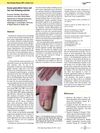
February 2011 in “Dermatology reports”
4 citations
,
February 2011 in “Dermatology reports” Acitretin can cause excess tissue growth and hair loss.
3 citations
,
October 2024 in “International Journal of Molecular Sciences” Acetylsalicylic acid affects platelet-rich plasma activation, requiring personalized approaches for effective treatment.