 8 citations
,
May 1998 in “Journal of Oral and Maxillofacial Surgery”
8 citations
,
May 1998 in “Journal of Oral and Maxillofacial Surgery” Acne is caused by increased sebum, abnormal skin shedding, bacteria, and inflammation, not dirt; treatments vary from creams to antibiotics or isotretinoin, with severe cases needing a dermatologist's care.
 9 citations
,
January 2018 in “Medical research archives”
9 citations
,
January 2018 in “Medical research archives” Low-intensity light therapy is effective for skin healing, reducing inflammation, and treating various skin conditions.
1 citations
,
August 2019 in “Chinese Medical Journal” A man developed facial skin lesions after a stem cell transplant, which improved with specific treatments.
1 citations
,
February 2020 in “The Journal of clinical investigation/The journal of clinical investigation” Certain cancer drugs interact with skin bacteria to cause acne-like rashes.
 August 2023 in “Clinical, Cosmetic and Investigational Dermatology”
 Research on the human skin microbiome has grown, focusing on skin health and diseases, with more studies needed on antibiotic resistance and AI applications.
Dissecting cellulitis and folliculitis keloidalis cause intense inflammation without bacterial infection.
100 citations
,
August 2022 in “Microbial Cell Factories” Balancing skin microbiota is crucial for healthy skin and treating skin diseases.
 30 citations
,
April 2007 in “Dermatologic Clinics”
30 citations
,
April 2007 in “Dermatologic Clinics” The document concludes that new treatments are needed to better manage acne and reduce side effects related to current therapies.
7 citations
,
December 2024 in “Antibiotics” Cathelicidins could treat skin issues but face challenges like safety and resistance.
 1 citations
,
January 2022 in “Turkiye Klinikleri Journal of Dermatology”
1 citations
,
January 2022 in “Turkiye Klinikleri Journal of Dermatology” Lifestyle changes during the early COVID-19 outbreak led to more cases of acne and other skin conditions, but fewer cases of rosacea and skin infections.
 1 citations
,
May 2025 in “International Journal of Applied Pharmaceutics”
1 citations
,
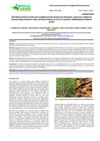
May 2025 in “International Journal of Applied Pharmaceutics” The nanogel with Bangkal bark extract effectively fights acne-causing bacteria.
 October 2025 in “Jurnal Medisains Kesehatan”
 Muntingia calabura leaf extract is more effective against acne-causing bacteria than Averrhoa bilimbi.
June 2025 in “Healthy-Mu Journal” The optimized Cinchonine gel effectively fights acne bacteria and is safe for twice-daily use.
 April 2024 in “Frontiers in cellular and infection microbiology”
 Blue light might help treat skin conditions by affecting the skin's bacteria.
 5 citations
,
February 2013 in “Expert Review of Dermatology”
5 citations
,
February 2013 in “Expert Review of Dermatology” New acne treatments include combination creams, advanced retinoids, and light therapies, focusing on safety and patient adherence.
 1 citations
,
January 2010 in “Serbian Journal of Dermatology and Venereology”
1 citations
,
January 2010 in “Serbian Journal of Dermatology and Venereology” The document concludes that effective acne treatment requires a personalized combination of therapies and long-term commitment, with retinoids being important for maintenance.
 June 2013 in “Expert Review of Dermatology”
 The article concludes that hormonal therapy is an effective long-term acne treatment, even for those without hormonal imbalances.
 June 2026 in “Journal of Pakistan Association of Dermatologists”
 Higher triglyceride levels are linked to more severe acne, but BMI is not.
 12 citations
,
May 2017 in “Medicine”
12 citations
,
May 2017 in “Medicine” Oral isotretinoin was recommended for a 21-year-old woman with severe acne.
 19 citations
,
January 2021 in “Experimental dermatology”
19 citations
,
January 2021 in “Experimental dermatology” Acne inversa is an epithelial-driven disease where inflammation is caused by cyst rupture, and treatments should focus on preventing tendril growth for better results.
Spironolactone may be a better acne treatment for adult women than antibiotics.
 March 2026 in “IP Indian Journal of Clinical and Experimental Dermatology”
 Acne in women may indicate insulin resistance.
 March 2025 in “Journal of Pakistan Association of Dermatologists”
 5% dapsone gel is more effective than 1% clindamycin gel for treating acne.
 April 2019 in “Journal of the Dermatology Nurses’ Association”
 A 37-year-old man with hair loss and skin issues was successfully treated with oral antibiotics, highlighting the need for early treatment. Long-term care includes low-dose antibiotics and avoiding caps and wigs.
 1 citations
,
May 1965 in “Medical Clinics of North America”
1 citations
,
May 1965 in “Medical Clinics of North America” Hair growth dysfunction involves various conditions with limited treatment options.
 October 2007 in “Journal of Investigative Dermatology”
 The document suggests a bacteria plays a significant role in acne rosacea and that white hair can regain color after transplant, meriting more research on reversing grey hair.
Essential oils are effective in skincare for treating acne, hyperpigmentation, and aging, and act as natural preservatives.
 May 2025 in “Insights-Journal of Health and Rehabilitation”
 Aloe vera and lemon extracts can significantly reduce acne, especially when used together.
194 citations
,
October 2018 in “Microbiome” Acne is linked to complex skin microbe interactions, and new findings suggest microbiome-based treatments could be effective.
62 citations
,
July 2022 in “Science Immunology” TREM2 macrophages and unsaturated lipids contribute to acne inflammation.