Search
for
Sort by
Research
630-660 / 1000+ resultsresearch P5 Assembly of hair keratins in thansfected cultured cells
research 876 Manipulation of stem cell divisional behavior: Selectively promoting asymmetric and symmetric keratinocyte divisions in vitro
Scientists can control how skin stem cells divide by using different treatments.
research STAT3 Partly Inhibits Cell Proliferation via Direct Negative Regulation of FST Gene Expression
The protein STAT3 slows down cell growth by blocking the FST gene, which affects hair development in sheep.
research Mice Expressing a Mutant Krt75 (K6hf) Allele Develop Hair and Nail Defects Resembling Pachyonychia Congenita
research KRASG12D mutant cells are outcompeted by wild type neighbours in adult pancreas in an EPHA2-dependent manner
Normal cells outcompete and remove mutant cells in the pancreas with the help of the EphA2 receptor.
research Genetic Susceptibility to Alopecia
Certain mutations in the PADI3 gene may increase the risk of developing a type of scarring hair loss common in women of African descent.
research The role of Twist1 in UVB-induced skin carcinogenesis
Deleting Twist1 in skin cells reduces UVB-induced skin cancer risk.

research PBX homeobox 1 enhances hair follicle mesenchymal stem cell proliferation and reprogramming through activation of the AKT/glycogen synthase kinase signaling pathway and suppression of apoptosis
PBX1 helps hair stem cells grow and change by turning on certain cell signals and preventing cell death, which may be useful for hair regrowth treatments.
research Keratin 17 null mice exhibit age- and strain-dependent alopecia
Keratin 17 is crucial for early hair strength and cell survival.
research No mucosal involvement in a patient with paraneoplastic pemphigus associated with thymoma and myasthenia gravis
The patient had paraneoplastic pemphigus without mucosal involvement.

research Investigation the role of SIRT3, SIRT7, NFATC1, and PDL-1 genes in Androgenetic Alopecia
SIRT3 and SIRT7 decrease, while NFATC1 and PDL-1 increase in Androgenetic Alopecia.
research 1336 The de novo DNA methyltransferase DNMT3A is required for epidermal homeostasis
DNMT3A is crucial for healthy skin and hair growth.
research Roles of GasderminA3 in Catagen–Telogen Transition During Hair Cycling
GasderminA3 is important for normal hair cycle transitions by controlling Wnt signaling.
research Clinical Snippets
Melanoma risk tools need improvement, a gene mutation causes a hair disorder that might be treated by managing cell stress, a potential therapy for a skin-ear disorder involves blocking cell channels, skin wrinkling may indicate lung aging regardless of smoking, and oxidative stress might contribute to common baldness.
research Abnormal hair growth in patients (pts) with metastatic colorectal cancer (mCRC) treated with the anti-epidermal growth factor receptor (EGFr) monoclonal antibody (mAb) panitumumab (Pmab)
Panitumumab treatment can cause unusual hair growth in some colorectal cancer patients.
research Injury suppresses Ras cell competitive advantage through enhanced wild-type cell proliferation
Injury boosts normal skin cell growth, reducing cancer cell advantage.
research Tumor suppressor activity of ODC antizyme in MEK-driven skin tumorigenesis
Antizyme slows skin tumor growth by reducing cell growth in mice.
research Mrp3, a Mitogen-Regulated Protein/Proliferin Gene Expressed in Wound Healing and in Hair Follicles*
Mrp3 helps in wound healing and hair growth.
research Alopecia in a Viable Phospholipase C Delta 1 and Phospholipase C Delta 3 Double Mutant
Mutations in Plcd1 and Plcd3 together cause severe hair loss in mice.

research Chaperones as thermodynamic sensors
New cancer treatments show promise in reducing tumor growth and improving skin regeneration in mice.
research Characterization of aberrant mTOR signaling pathway in U87MG glioblastoma cell line by quantitative phosphoproteomics
Inhibiting mTORC2 can reduce DNA repair and increase cancer cell death, suggesting potential for targeted brain cancer treatments.

research A Mosaic Hotspot PLCD1 Variant, Detectable in Blood‐Derived DNA, Associated With Nevus Trichilemmocysticus
A rare genetic variant linked to skin cysts was found in blood DNA, suggesting its role in cyst formation.
research A mutation in the type II hair keratin KRT86 gene in a Han family with monilethrix
A new mutation in the KRT86 gene was found to cause the hair disorder monilethrix in a Han family.
research Activator Protein-1 Activity Regulates Epithelial Tumor Cell Identity
AP-1 controls tumor cell type by affecting key signaling pathways.

research Combinatorial expression of cell cycle regulators is more suitable for immortalization than oncogenic methods in dermal papilla cells
Using a combination of specific cell cycle regulators is better for safely keeping hair root cells alive indefinitely compared to cancer-related methods.

research Cutaneous transcriptome analysis in NIH hairless mice
Key genes linked to hair growth and cancer were identified in hairless mice.
research Morphologic and molecular characterization of two novel Krt71 (Krt2-6g) mutations: Krt71 rco12 and Krt71 rco13
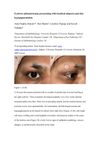
research Eyebrow Pilomatrixoma Presenting With Localized Alopecia and Skin Hypopigmentation
A pilomatrixoma in the eyebrow can cause hair loss and skin lightening.
research Transcription Regulation and Protein Subcellular Localization of the Truncated Basic Hair Keratin hHb1-ΔN in Human Breast Cancer Cells
A truncated protein linked to breast cancer may change cell adhesion.