1 citations
,
March 2023 in “Medicine” The combination therapy is effective and well-tolerated for treating esophageal cancer.
8 citations
,
March 2023 in “PubMed” JAK inhibitors show promise in treating difficult skin diseases.
12 citations
,
July 2023 in “Journal of the European Academy of Dermatology and Venereology” Upadacitinib improved Crohn's disease, atopic dermatitis, and alopecia areata in one patient.
 12 citations
,
August 2021 in “International Journal of Biological Macromolecules”
12 citations
,
August 2021 in “International Journal of Biological Macromolecules” Poria cocos polysaccharides and finasteride both help treat chronic nonbacterial prostatitis, but Poria cocos polysaccharides also improve gut health.
 9 citations
,
July 2018 in “European Journal of Dermatology”
9 citations
,
July 2018 in “European Journal of Dermatology” Brodalumab effectively treated a man's severe hand and foot psoriasis.
March 2014 in “The Journal of Urology” Finasteride increases CD8+ T cells in BPH tissues.
September 2014 in “Emergency Medicine News” The man's skin condition improved with sun protection and topical steroids, but UV exposure still caused flare-ups.
3 citations
,
July 2022 in “European Journal of Dermatology” Brodalumab is more effective than ustekinumab for treating psoriasis.
 1 citations
,
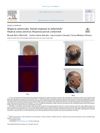
July 2019 in “Medicina Clínica (English Edition)”
1 citations
,
July 2019 in “Medicina Clínica (English Edition)” Tofacitinib partially improved hair regrowth in a patient with severe hair loss.
February 2006 in “Inpharma Weekly” 3 citations
,
October 2024 in “Frontiers in Pharmacology” Compounds from Pterocarpus indicus may help treat benign prostatic hyperplasia by stopping cell growth.
 January 2023 in “Bioorganičeskaâ himiâ”
 The new compound is a promising, less toxic alternative to finasteride for treating prostate issues.
 176 citations
,
June 2016 in “PLoS ONE”
176 citations
,
June 2016 in “PLoS ONE” Nucleic acid polymers can enhance antiviral responses and improve treatment outcomes for chronic hepatitis B.
January 2004 in “Zhongguo yiyuan yongyao pingjia yu fenxi” Using tamsulosin with finasteride is the most effective and reduces surgery risk for BPH.
 18 citations
,
July 2008 in “Current Oncology Reports”
18 citations
,
July 2008 in “Current Oncology Reports” EGFR cancer drugs often cause a rash, which can lead to distress and isolation, but may also improve outcomes for some cancer patients. Current treatments for the rash are limited, but a compound called menadione shows promise.
3 citations
,
September 2023 in “Prostate Cancer and Prostatic Diseases”  68 citations
,
September 2003 in “British Journal of Dermatology”
68 citations
,
September 2003 in “British Journal of Dermatology” Shrinking skin cancer increases the chance of cancer in nearby lymph nodes.
11 citations
,
October 2024 in “Cell Death Discovery” 4-aminopyridine helps heal burn wounds faster by reducing inflammation and promoting new blood vessel growth.
 February 2026 in “Frontiers in Immunology”
 Ivarmacitinib significantly improved hair regrowth in severe alopecia areata after tofacitinib was less effective.
 December 2025 in “Dermatology The American Medical Journal”
 JAK inhibitors are effective for long-term management of alopecia areata.
 April 2016 in “Journal of The American Academy of Dermatology”
 Some blood pressure medications are linked to a higher risk of skin cancer.
July 2025 in “Ultrasound in Medicine & Biology” UTMD with diclofenac and Doxil® improves cancer treatment by boosting immune response and reducing tumor-supporting cells.
 1 citations
,
January 2024 in “Curēus”
1 citations
,
January 2024 in “Curēus” Upadacitinib significantly improved a man's severe scalp condition when other treatments failed.
 1 citations
,
December 2021 in “JAAD case reports”
1 citations
,
December 2021 in “JAAD case reports” A woman with severe hair loss saw significant hair regrowth after adding platelet-rich plasma injections to her treatment with tofacitinib.
 May 2026 in “Journal of Skin and Sexually Transmitted Diseases”
 Upadacitinib effectively treats skin conditions like eczema and psoriasis and is becoming more widely used and affordable.
 1 citations
,
July 2022 in “The journal of investigative dermatology/Journal of investigative dermatology”
1 citations
,
July 2022 in “The journal of investigative dermatology/Journal of investigative dermatology” Tofacitinib helps improve skin conditions in people with Down syndrome, especially alopecia areata.
3 citations
,
January 2019 in “Indian Journal of Drugs in Dermatology” Certain cancer drugs can cause skin issues like rashes and itching.
12 citations
,
March 2021 in “JAAD Case Reports” Nail changes from immunotherapy can be managed without stopping cancer treatment.
 5 citations
,
December 2022 in “Annals Academy of Medicine Singapore”
5 citations
,
December 2022 in “Annals Academy of Medicine Singapore” Some skin medications can have harmful interactions with the COVID-19 drug nirmatrelvir-ritonavir, but not with molnupiravir.
 April 2024 in “Frontiers in pharmacology”
 Brepocitinib 30mg is most effective for moderate-to-severe alopecia areata, but ritlecitinib 50mg may offer a better balance of safety and effectiveness.