December 2025 in “Journal of Pharmacy And Bioallied Sciences” Personalized Ayurvedic treatment can effectively regrow hair in androgenetic alopecia.
11 citations
,
January 2021 in “Breast Care” Patients prioritize quality of life, overall survival, and progression-free survival in treatment decisions for advanced breast cancer.
January 2023 in “Figshare” Quality of life, overall survival, and progression-free survival should be equally prioritized in advanced breast cancer treatment decisions.
January 2023 in “Figshare” Patients with advanced breast cancer prioritize quality of life, overall survival, and progression-free survival in treatment decisions.
 August 2023 in “American Journal of Hospice and Palliative Medicine”
 People in palliative care often have skin problems due to their main illness or other health issues, and treatments focus on comfort and quality of life.
 18 citations
,
July 2008 in “Current Oncology Reports”
18 citations
,
July 2008 in “Current Oncology Reports” EGFR cancer drugs often cause a rash, which can lead to distress and isolation, but may also improve outcomes for some cancer patients. Current treatments for the rash are limited, but a compound called menadione shows promise.
Alopecia in dogs requires identifying the cause for effective treatment.
 3 citations
,
November 2022 in “Advances in Clinical and Experimental Medicine”
3 citations
,
November 2022 in “Advances in Clinical and Experimental Medicine” Electric pulse treatments for breast cancer show promise in being safer and more effective, with fewer side effects.
 January 2024 in “Editora In Vivo eBooks”
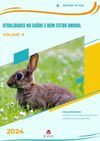
 Laser therapy helps relieve pain and improve life quality in small animals with osteoarthritis.
January 2017 in “Elsevier eBooks” Radiation therapy for cancer often causes skin problems like redness, dryness, and pain.
January 2026 in “International journal of Indian medicine” Ayurvedic treatment can effectively regrow hair in alopecia areata without side effects.
 4 citations
,
January 1987 in “Annual reports in medicinal chemistry”
4 citations
,
January 1987 in “Annual reports in medicinal chemistry” New treatments for skin diseases are more effective and patient-friendly, but many still lack a cure.
 August 1994 in “Drugs & Therapy Perspectives”
 Psoriasis treatments range from topical creams to systemic medications with serious side effects, and while treatments can manage symptoms, there is no cure.
 49 citations
,
April 2000 in “Journal of The American Academy of Dermatology”
49 citations
,
April 2000 in “Journal of The American Academy of Dermatology” Despite progress in treatment, the exact cause of Alopecia areata is still unknown.
Alopecia Areata has no cure, treatments are limited, and the condition often recurs, but new therapies like JAK inhibitors show promise.
 57 citations
,
January 1986 in “The Prostate”
57 citations
,
January 1986 in “The Prostate” The document suggests that targeting the hormone DHT could be a more effective treatment for prostate cancer than targeting testosterone.
 48 citations
,
May 1999 in “International Journal of Dermatology”
48 citations
,
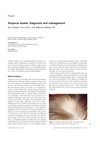
May 1999 in “International Journal of Dermatology” Alopecia areata is an unpredictable autoimmune hair loss condition, treated based on severity, with half of patients regrowing hair within a year without treatment.
21 citations
,
September 2015 in “International journal of gynaecology and obstetrics” Chemotherapy is crucial for treating gynecological cancers but requires careful management due to severe side effects.
 60 citations
,
June 1997 in “Drugs & Aging”
60 citations
,
June 1997 in “Drugs & Aging” Mitoxantrone with a corticosteroid helps manage symptoms for some advanced prostate cancer patients but doesn't extend life.
 March 2018 in “International journal of basic and clinical pharmacology”
 Carboplatin-paclitaxel is preferred for advanced lung cancer due to its balance of affordability and patient well-being.
 12 citations
,
February 2010 in “Journal of The American Academy of Dermatology”
12 citations
,
February 2010 in “Journal of The American Academy of Dermatology” A cancer drug caused unusual hair growth on a 100-year-old man's scalp and eyelashes.
26 citations
,
February 2022 in “Annals of Palliative Medicine” Ultra-pulse CO2 fractional laser improves acne scars with minimal side effects and faster healing.
March 2021 in “Annals of palliative medicine” Plum-blossom needling with conventional treatments improves hair regrowth in alopecia areata.
 19 citations
,
October 1994 in “Tumori Journal”
19 citations
,
October 1994 in “Tumori Journal” As of 1994, treatments for liver cancer had not significantly improved patient survival.
 150 citations
,
March 1995 in “Annals of Oncology”
150 citations
,
March 1995 in “Annals of Oncology” Palliative chemotherapy is cost-effective for advanced gastric and colorectal cancer but not clearly for pancreatic-biliary cancer.
 2 citations
,
December 1994 in “The Journal of clinical endocrinology and metabolism/Journal of clinical endocrinology & metabolism”
2 citations
,
December 1994 in “The Journal of clinical endocrinology and metabolism/Journal of clinical endocrinology & metabolism” The treatment effectively reduced hair growth and was safe for patients with PCOS, but it needs better bleeding control.
 44 citations
,
November 2010 in “Current Opinion in Supportive and Palliative Care”
44 citations
,
November 2010 in “Current Opinion in Supportive and Palliative Care” Many patients find hair loss from chemotherapy very distressing, and while treatments like minoxidil and scalp cooling may help, there is no sure way to prevent it.
 25 citations
,
February 2014 in “British journal of dermatology/British journal of dermatology, Supplement”
25 citations
,
February 2014 in “British journal of dermatology/British journal of dermatology, Supplement” Intralesional triamcinolone acetonide can regrow hair in alopecia areata but often has temporary effects and side effects.
 11 citations
,
January 1995 in “Biomedicine & pharmacotherapy”
11 citations
,
January 1995 in “Biomedicine & pharmacotherapy” TURP is the best treatment for BPH, but some patients prefer medications like alpha-blockers and finasteride.
 122 citations
,
November 1984 in “Journal of the American Academy of Dermatology”
122 citations
,
November 1984 in “Journal of the American Academy of Dermatology” No single treatment is consistently effective for alopecia areata, and more research is needed.