 1 citations
,
July 2024 in “Indian Journal of Case Reports”
1 citations
,
July 2024 in “Indian Journal of Case Reports” GAPO syndrome causes growth issues, hair loss, missing teeth, and vision problems.
87 citations
,
March 2017 in “Journal of Clinical Investigation” PSENEN gene mutations can cause both Dowling-Degos disease and acne inversa.
1 citations
,
May 2017 in “Journal of Clinical Oncology” Topical calcitriol is safe for preventing hair loss during chemotherapy.

1′S-1′-Acetoxychavicol acetate may help treat hair loss by reducing oxidative stress.
 October 2023 in “Benha Journal of Applied Sciences”
 PPAR-γ may be a key target for treating alopecia areata and other skin conditions.
 1 citations
,
February 2022 in “Terapevtičeskij arhiv”
1 citations
,
February 2022 in “Terapevtičeskij arhiv” A young woman got liver damage from taking too much vitamin A for two years.
January 2016 in “International journal of clinical pediatrics” Valproic acid may cause temporary hair changes like loss or thinning in children.
PCOS patients, especially obese ones, often lack vitamin D and may need supplements and lifestyle changes.
 October 2021 in “Meditsinskiy sovet = Medical Council”
 Cyproterone acetate improves skin symptoms and quality of life in women with androgen-related issues.
 1 citations
,
January 2024 in “Pediatric Endocrinology Diabetes and Metabolism”
1 citations
,
January 2024 in “Pediatric Endocrinology Diabetes and Metabolism” Cinacalcet may help treat hereditary vitamin D resistant rickets safely.
31 citations
,
December 1997 in “Developmental Medicine & Child Neurology” Biotinidase deficiency can cause vision and walking problems in children and can improve with biotin treatment.
175 citations
,
September 1998 in “British Journal of Dermatology” Keratin 17 gene mutations cause both steatocystoma multiplex and pachyonychia congenita type 2.
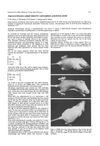 2 citations
,
September 1980 in “Experientia”
2 citations
,
September 1980 in “Experientia” Polyethylene alanine caused hair loss in young lab animals but not in adults, with hair regrowth occurring within 20 days.
81 citations
,
March 1985 in “Journal of Clinical Investigation” Measuring 24-OHase induction helps identify defects in vitamin D processing and predict treatment response.
 4 citations
,
August 2013 in “Case reports in dermatology”
4 citations
,
August 2013 in “Case reports in dermatology” A patient with total hair loss developed vitiligo after using a treatment called DCP.
 November 2024 in “Journal of Cosmetic Dermatology”
 Valproic acid microemulsions improve skin delivery compared to regular solutions.
18 citations
,
December 2016 in “European journal of pharmacology” A new compound slows cancer cell growth and causes cell death by blocking cell cycle progression and increasing cell-damaging molecules.
 4 citations
,
February 2018 in “Journal of Investigative Dermatology”
4 citations
,
February 2018 in “Journal of Investigative Dermatology” The document concludes that a protein involved in hair growth may link to baldness and that more research is needed on its role in hair loss and skin cancer treatments.
Mutations in the PADI3 gene may cause central centrifugal cicatricial alopecia in women of African ancestry.
29 citations
,
July 1996 in “Acta Paediatrica” Biotin should be added to Japanese amino acid formula to prevent deficiency.
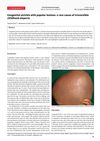 5 citations
,
January 2018 in “Acta Dermatovenerologica Alpina Pannonica et Adriatica”
5 citations
,
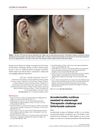
January 2018 in “Acta Dermatovenerologica Alpina Pannonica et Adriatica” Congenital atrichia with papular lesions causes permanent hair loss in children.
 6 citations
,
June 2008 in “Journal of the European Academy of Dermatology and Venereology”
6 citations
,
June 2008 in “Journal of the European Academy of Dermatology and Venereology” A man with Acrodermatitis continua did not get better with etanercept treatment, and his condition worsened, suggesting treatment effectiveness may vary by genetics and race.
 March 2005 in “Journal of The American Academy of Dermatology”
 Diphencyprone treatment protocols could be simplified as no harm occurred despite not fully following them.
22 citations
,
February 2012 in “Journal of Investigative Dermatology” A specific gene mutation causes severe skin and nail issues and hair loss.
7 citations
,
March 2018 in “Psychiatry and Clinical Psychopharmacology” Valproate can cause brain swelling with high ammonia levels, possibly underreported, especially in psychiatric patients.
October 2024 in “Skin Appendage Disorders” Higher FABP4 levels may indicate more severe alopecia areata.
 60 citations
,
May 2015 in “Archives of dermatological research”
60 citations
,
May 2015 in “Archives of dermatological research” PPAR agonists show promise for skin conditions but need more research before being a main treatment.
105 citations
,
March 2014 in “British journal of dermatology/British journal of dermatology, Supplement” Alopecia areata patients often have low vitamin D levels, suggesting they might benefit from vitamin D supplements.
April 2026 in “Journal of Pharmacy Practice” Improper vitamin use after bariatric surgery can cause acne.
84 citations
,
September 2008 in “Developmental biology” Retinoic acid-binding proteins in skin are regulated by β-catenin and Notch signalling.