9 citations
,
January 2002 in “Dermatology” Reduced CD44 expression may cause abnormal hyaluronate buildup in cutaneous myxoma.
April 2012 in “Journal of evolution of medical and dental sciences” No effective treatment exists to stimulate hair growth in atrichia with papular lesions.
 36 citations
,
November 2000 in “Journal of the American Academy of Dermatology”
36 citations
,
November 2000 in “Journal of the American Academy of Dermatology” A woman with dermatomyositis showed rare skin symptoms, was treated successfully, and her case suggests checking for cancer in similar patients.
2 citations
,
October 2000 in “Journal of Investigative Dermatology” AUC and APL are distinct conditions needing careful clinical assessment.
8 citations
,
June 2020 in “The journal of investigative dermatology/Journal of investigative dermatology” A boy's skin fragility and sparse hair were caused by a genetic mutation affecting skin cell adhesion.
 5 citations
,
February 2015 in “New England journal of medicine/The New England journal of medicine”
5 citations
,
February 2015 in “New England journal of medicine/The New England journal of medicine” The conclusion of the case is not provided in the summary.
 February 2025 in “Veterinary Clinical Pathology”
 The ferret had a malignant apocrine gland tumor and did not survive surgery.
 July 2016 in “American Journal of Dermatopathology”
 The meeting showcased rare skin disease cases, highlighting the need for accurate diagnosis and treatment.
 2 citations
,
July 2016 in “Clinical and Experimental Dermatology”
2 citations
,
July 2016 in “Clinical and Experimental Dermatology” Some types of extracellular matrix can change how human skin cells grow but don't affect their basic functions.
54 citations
,
May 1994 in “Veterinary Pathology” PTHrP is higher in certain dog tumors and may act as a local growth factor.
3 citations
,
April 2011 in “Journal of the American Academy of Dermatology” A 19-year-old man had a rare skin condition on one side of his face that looked like another skin disease.
2 citations
,
January 2018 in “Open journal of stomatology” Tongue cancer cells show more plectin-1 than non-cancer cells, but both have similar levels of trichohyalin.
5 citations
,
October 2012 in “Australian veterinary journal” Two Australian Poll Hereford calves had severe anaemia, abnormal red blood cells, and skin issues.
14 citations
,
May 2022 in “Stem cell reports” The study created hair-bearing skin models that lack a key protein for skin layer attachment, limiting their use for certain skin disease research.
5 citations
,
August 2021 in “Experimental dermatology” Overexpressing Merkel cell virus proteins in human hair follicles can create clusters of cells that resemble Merkel cell cancer.

Skin tumor cells in patients with tuberous sclerosis have higher levels of a protein called cathepsin B.
18 citations
,
January 2013 in “Veterinary Dermatology” K15 is a reliable marker for studying stem cells in dog hair follicle tumors.
36 citations
,
December 2004 in “British Journal of Dermatology” The cyst had unusual keratin spherules and resembled bone marrow.
 78 citations
,
August 2002 in “Experimental Dermatology”
78 citations
,
August 2002 in “Experimental Dermatology” Researchers developed a quick and easy way to get and grow cells from the base of human hair follicles.
 2 citations
,
January 2022 in “Journal of Investigative Dermatology”
2 citations
,
January 2022 in “Journal of Investigative Dermatology” Hedgehog signaling in skin cells is crucial for hair growth and skin healing, but needs to be balanced to avoid harmful effects like scarring and cancer.
January 2022 in “Figshare” Exosomes from dermal papilla cells help hair stem cells grow through a specific signaling pathway.
11 citations
,
June 1985 in “Journal of cutaneous pathology” Examining many sections is key to correctly diagnosing hair follicle disorders.
 12 citations
,
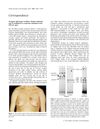
May 2001 in “British journal of dermatology/British journal of dermatology, Supplement”
12 citations
,
May 2001 in “British journal of dermatology/British journal of dermatology, Supplement” A rare benign skin tumor showed unusual features of sebaceous and sweat glands, important for correct diagnosis.
7 citations
,
December 2019 in “Experimental and Therapeutic Medicine” WNT10B affects hair growth by altering gene activity in hair cells.
 October 2024 in “Journal of the Endocrine Society”
 Ovarian steroid cell tumors can mimic adrenal hyperplasia, and surgery can normalize hormone levels.
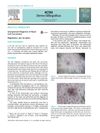 May 2015 in “Actas Dermo-Sifiliográficas”
 A young man was unexpectedly diagnosed with basal cell carcinoma after a scalp examination and confocal microscopy.
13 citations
,
June 2012 in “European journal of medical genetics” Identical twins had different symptoms because one had more cells with an extra chromosome fragment in different tissues.
1 citations
,
January 2012 in “International journal of trichology” Sheep hair follicle cells can grow a lot but need the dermal papilla to do so.
January 2019 in “Dermatologic Surgery”  4 citations
,
July 2015 in “Case Reports in Dermatology”
4 citations
,
July 2015 in “Case Reports in Dermatology” A woman with unexplained hair loss was found to have harmless skin tumors and a scarring hair loss condition, but the tumors didn't cause the hair loss.