Search
for
Sort by
Research
840-870 / 1000+ results
research 1616 Cross-comparison of inflammatory skin disease transcriptomics identifies PTEN as a pathogenic disease classifier in cutaneous lupus erythematosus
PTEN was identified as a specific marker for the skin disease cutaneous lupus erythematosus, and it helps increase the expression of harmful type I interferons.
research Plasmacytoid dendritic cells in alopecia areata: missing link?
Plasmacytoid dendritic cells are a key factor in causing hair loss in alopecia areata and could help differentiate it from other hair loss conditions.
research The coudability sign of alopecia areata: the real story
The document concludes that anticonvulsants like phenytoin may cause skin reactions by affecting tryptophan metabolism and suggests researching vitamin levels in patients with drug reactions.
research Hutchinson-Gilford Progeria Syndrome: Premature Aging
RNA-based treatments show promise for managing Hutchinson-Gilford Progeria Syndrome.
research Use of cyproterone acetate (CPA) in the treatment of acne, hirsutism and virilism
Cyproterone acetate is effective for acne but less so for hirsutism and alopecia, with some side effects and quick menstrual cycle recovery after treatment.
research PSS20 MEDIATION MODELING AND MEASUREMENT CHARACTERISTICS OF THE ITCH SEVERITY SCORE FROM A PHASE 2B TRIAL OF ORAL CP-690-550 IN PATIENTS WITH MODERATE TO-SEVERE PLAQUE PSORIASIS
CP-690,550 significantly reduced itching in patients with moderate-to-severe plaque psoriasis.

research SRD5A3 Is Required for Converting Polyprenol to Dolichol and Is Mutated in a Congenital Glycosylation Disorder
Mutations in the SRD5A3 gene cause a new type of glycosylation disorder by blocking the production of a molecule necessary for protein glycosylation.

research Ppp2r2a Knockout Mice Reveal That Protein Phosphatase 2A Regulatory Subunit, PP2A-B55α, Is an Essential Regulator of Neuronal and Epidermal Embryonic Development
The PP2A-B55α protein is essential for brain and skin development in embryos.

research Expression of lipid-protein gene PLP2 in Liaoning cashmere goat
The PLP2 gene affects cashmere fiber quality in goats and is linked to hair growth and loss.

research 898 Homeostatic activation of epidermal HSD11b1 affects skin innervation and non-histaminergic itch
HSD11b1 affects skin nerves and increases non-histaminergic itch.
research Folliculitis Decalvans With Frontal Fibrosing Alopecia in a Dark Phototype: Presentation of Folliculitis Decalvans and Lichen Planopilaris Phenotypic Spectrum
Folliculitis Decalvans and Frontal Fibrosing Alopecia can coexist in people with darker skin, showing features of both conditions.
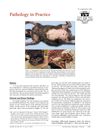
research Pathology in Practice
The cat had liver cancer and a related hair loss condition, with a likely cause being bile duct cancer.
research Frontal Fibrosing Alopecia. An Example of Disrupted Aryl Hydrocarbon Receptor-Mediated Immunological Homeostasis in the Skin?
Excessive sun protection might cause frontal fibrosing alopecia by disrupting skin immune balance.
research Two Hydroxyproline Galactosyltransferases, GALT5 and GALT2, Function in Arabinogalactan-Protein Glycosylation, Growth and Development in Arabidopsis
GALT5 and GALT2 are important for plant growth and development because they help with protein glycosylation.

research Mouse models with a disrupted PTHrP gene or a disrupted PTH gene (PTH−/− mice)
PTHrP is important for bone formation and may be targeted for osteoporosis treatment and longevity therapies.
research Peptidylarginine Deiminase Isoforms Are Differentially Expressed in the Anagen Hair Follicles and Other Human Skin Appendages
PAD enzymes play a key role in hair growth and structure.
research 058 The pattern of Fas and Fas ligand expression in alopecia areata
The Fas/FasL pathway may play a role in alopecia areata.

research Genetic Susceptibility to Alopecia
Certain mutations in the PADI3 gene may increase the risk of developing a type of scarring hair loss common in women of African descent.
research The AhR pathway is dysregulated in alopecia areata
Targeting the AhR pathway may help treat alopecia areata.

research Context-dependent effect of sPLA2-IIA induced proliferation on murine hair follicle stem cells and human epithelial cancer
sPLA2-IIA increases growth in hair follicle stem cells and cancer cells, suggesting it could be targeted for hair growth and cancer treatment.
research Low level of high-density lipoprotein cholesterol is solely associated with greater severity of male androgenetic alopecia: A cross-sectional study of Thai population
research Substance P in keratosis follicularis spinulosa decalvans
Substance P may play a role in the inflammation seen in keratosis follicularis spinulosa decalvans.
research 863 Central centrifugal cicatricial alopecia gene expression analysis revealed cholesterol, fatty acid, and mast cell pathways
Targeting cholesterol, fatty acids, fibrosis, and mast cells may help treat CCCA.

research Alleviation of Androgenetic Alopecia with Aqueous Paeonia lactiflora and Poria cocos Extract Intake through Suppressing the Steroid Hormone and Inflammatory Pathway
Paeonia lactiflora and Poria cocos extracts can potentially increase hair growth and reduce hair loss symptoms by lowering testosterone and inflammation levels.
research DERMATOLOGICAL AND SYSTEMIC REACTIONS TO HAIR DYES: CURRENT EVIDENCE AND MANAGEMENT
Hair dyes, especially with PPD, can cause skin and rare systemic reactions, and safer alternatives are needed.

research Cortexolone 17α-Propionate (Clascoterone) is an Androgen Receptor Antagonist in Dermal Papilla Cells In Vitro
Clascoterone may be an effective topical treatment for hair loss.

research Enhanced Differentiation Potential of Pigmented Human Epidermal Equivalents
PmtHEE is a better model for studying pigmented skin because it includes melanocytes and shows improved cell differentiation.

research 51895 Interim Analysis of Platelet-Rich Plasma (PRP) Treatment for Endocrine Therapy-Induced Alopecia (EIA) and Permanent Chemotherapy-Induced Alopecia (pCIA) in Breast Cancer Patients: A Randomized Controlled Trial
PRP treatment may help improve hair density and thickness in breast cancer patients with therapy-induced hair loss.
research Alpha linolenic acid and linoleic acid and their effects on therapeutic regimen of canine dermatoses
Alpha linolenic acid and linoleic acid help treat inflammatory skin conditions in dogs.