 10 citations
,
December 2015 in “International Journal of Molecular Sciences”
10 citations
,
December 2015 in “International Journal of Molecular Sciences” PDCD4 is important for controlling skin cell growth and healing.
305 citations
,
March 2008 in “AJP Endocrinology and Metabolism” SSAT is a key enzyme affecting cell growth and metabolism, with potential but risky use in disease treatment.
10 citations
,
December 2015 in “Experimental dermatology” EGFR helps mouse hair follicles stop growing by reducing certain growth regulators.
 6 citations
,
August 2014 in “Toxicologic pathology”
6 citations
,
August 2014 in “Toxicologic pathology” Blocking DGAT1 reduces oil gland size in mice and dogs, but only mice experience hair loss.
2 citations
,
February 2022 in “bioRxiv (Cold Spring Harbor Laboratory)” Impaired LEF1 activation speeds up skin cell development in Hutchinson-Gilford Progeria Syndrome.
20 citations
,
November 2020 in “Stem Cell Research & Therapy” Enhanced stem cells from the placenta can help treat Graves' eye disease by stopping fat cell growth.
 33 citations
,
January 1997 in “Endocrinology”
33 citations
,
January 1997 in “Endocrinology” Testosterone can slow down hair growth when combined with certain cells from bald scalps, and this effect can be blocked by an androgen receptor blocker.
 7 citations
,
December 2008 in “Journal of Dermatological Science”
7 citations
,
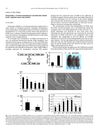
December 2008 in “Journal of Dermatological Science” Progranulin overexpression leads to shorter, thinner hair and increased cell death in mouse hair follicles.
April 2025 in “Cosmetics” RCDP NCs are promising anti-aging cosmetic ingredients that improve skin health by reducing oxidative stress and enhancing cell function.
 28 citations
,
March 2017 in “Scientific Reports”
28 citations
,
March 2017 in “Scientific Reports” Minoxidil may protect nerves and improve hair quality during paclitaxel treatment.
 6 citations
,
December 2021 in “Scientific Reports”
6 citations
,
December 2021 in “Scientific Reports” Inhibiting class I HDACs helps maintain hair growth ability in skin cells.
 19 citations
,
September 2011 in “Journal of Dermatological Science”
19 citations
,
September 2011 in “Journal of Dermatological Science” TGF-β1 increases androgen receptor activity in hair loss, but Hic-5/ARA55 can counter this effect.
 September 2025 in “American Journal of Dermatopathology”
 PRAME is often present in Paget disease and could help in diagnosis, but more research is needed.
February 2026 in “European Journal of Pharmacology” Teicoplanin may help treat hair loss by reducing androgen receptors and boosting hair cell growth.
1 citations
,
January 2004 in “Medicina de Familia SEMERGEN” Finasteride may help prevent prostate cancer.
1 citations
,
January 2019 in “Digital Commons @ Olivet (Olivet Nazarene University)” Alpha mangostin may protect certain breast cancer cells by activating the p53 pathway.
 17 citations
,
February 2015 in “Cell Death and Disease”
17 citations
,
February 2015 in “Cell Death and Disease” Inhibiting AP1 in mice skin causes structural changes and weakens the skin barrier.
 234 citations
,
September 2004 in “Clinical cancer research”
234 citations
,
September 2004 in “Clinical cancer research” BAY 43-9006 helps control kidney cancer growth but doesn't significantly increase overall survival.
 25 citations
,
September 1998 in “The Journal of Steroid Biochemistry and Molecular Biology”
25 citations
,
September 1998 in “The Journal of Steroid Biochemistry and Molecular Biology” Finasteride inhibits enzyme activity in rhesus macaques, suggesting they're useful for evaluating similar drugs.
December 2025 in “International Journal of Molecular Sciences” Bacopa procumbens extract may help protect the brain in Parkinson's disease.
 September 2025 in “Arthritis Research & Therapy”
 BMS-470539 reduces skin fibrosis and inflammation.
 March 2024 in “Chinese Chemical Letters”
 Tiny glowing gold particles can stop hair growth by blocking a specific cell signal.
2 citations
,
November 2025 in “British Journal of Pharmacology” Daprodustat, combined with PAβN, could be a new antibacterial treatment.
July 2023 in “Assiut Veterinary Medical Journal/Maǧallaẗ Asyūṭ al-ṭibiyyaẗ al-baytariyyaẗ” Antiandrogens help improve developmental delays caused by valproic acid in rats.
 April 2023 in “The journal of investigative dermatology/Journal of investigative dermatology”
 Activating mitophagy may help manage a key immune response involved in the hair loss condition alopecia areata.
November 2025 in “The Journal of Immunology” The S1PR 1&4 modulator may effectively treat alopecia areata by reducing hair loss and immune cell activity.
 18 citations
,
September 2016 in “International Journal of Molecular Sciences”
18 citations
,
September 2016 in “International Journal of Molecular Sciences” Polydeoxyribonucleotide (PDRN) may help lighten skin and treat hyperpigmentation.
1 citations
,
August 2025 in “Epigenetics & Chromatin” H3K4me3 helps control RSPO3 to influence hair growth and development.
253 citations
,
April 2009 in “Journal of Biological Chemistry” p2y5, now called LPA6, is a receptor important for human hair growth.
Melatonin shortens the hair growth cycle by increasing PDGFA gene expression.