 1 citations
,
October 2021 in “International Journal of Research in Dermatology”
1 citations
,
October 2021 in “International Journal of Research in Dermatology” Alopecia areata mainly affects men aged 21-40 and is linked to autoimmune issues, thyroid problems, and inflammation.
 1 citations
,
July 2012 in “Nasza Dermatologia Online”
1 citations
,
July 2012 in “Nasza Dermatologia Online” IL-1α levels are higher in alopecia areata patients, suggesting a role in the disease.
 1 citations
,
December 2010 in “Elsevier eBooks”
1 citations
,
December 2010 in “Elsevier eBooks” Cell transplantation faces challenges in genitourinary reconstruction, but alternative tissue sources and microencapsulation show promise.
 1 citations
,
April 2023 in “bioRxiv (Cold Spring Harbor Laboratory)”
1 citations
,
April 2023 in “bioRxiv (Cold Spring Harbor Laboratory)” Climate-related nutritional stress may cause hair loss in juvenile male Guadalupe fur seals.
 June 2026 in “Gümüşhane Üniversitesi Fen Bilimleri Enstitüsü Dergisi”
 PVA/agar films with Achillea millefolium essential oil are promising for wound dressings due to good strength and selective antibacterial effects.
 May 2026 in “International Journal of Research Publication and Reviews”
 The polyherbal hair dye is a safe, effective, and eco-friendly alternative to synthetic dyes.
 January 2026 in “Indus journal of bioscience research.”
 Hibiscus extract is a safe, effective, and stable ingredient for moisturizing creams.

Lack of certain cells causes abnormal nipple development and nursing failure.
 January 2026 in “Frontiers in Natural Products”
 Combining shikimic acid and Prunus mume extract may effectively treat acne naturally.
 January 2026 in “International journal of research and scientific innovation”
 A natural hair cream with 15% extract is stable, effective, and better for hair and scalp than synthetic creams.
 November 2025 in “Discover Pharmaceutical Sciences”
 The essential oils nanoemulsion promotes hair growth better than 2% minoxidil in mice.
 April 2025 in “Egyptian journal of Immunology”
 Calprotectin levels are higher in alopecia areata patients, indicating systemic inflammation.
 March 2025 in “World s Veterinary Journal”
 Therapy lowers IgM levels in dogs with severe dermatitis but not in mild cases.
 January 2025 in “Journal of Materials Chemistry B”
  June 2023 in “International Journal of Clinical Research and Reports”
 Method B with propylene glycol is better for stable low-concentration DPCP solutions for alopecia areata.
 July 2022 in “Al-Mağallaẗ al-ʻirāqiyyaẗ li-l-ṣaydalaẗ”
 Azelaic acid cream can effectively treat scalp hair loss.
 March 2022 in “Benha Journal of Applied Sciences”
 ULBP3 levels are higher in Tinea capitis patients and may help predict the disease's severity.
 January 2022 in “Al-Azhar Medical Journal”
 Higher antigliadin antibody levels are linked to alopecia areata severity.
 December 2021 in “Journal of Rheumatic Diseases”
 Early treatment of pediatric lupus-related eye issues is crucial to prevent vision loss.
 October 2020 in “Veterinary Dermatology”
 New treatments and diagnostic methods for various animal skin conditions showed promising results.
 January 2020 in “bioRxiv (Cold Spring Harbor Laboratory)”
 Semecarpus anacardium leaf extracts may offer safe, effective cancer treatment alternatives.

PlacMA hydrogels from human placenta are versatile and useful for cell culture and tissue engineering.

L-PGDS has specific binding sites for its functions and could help in drug delivery system design.
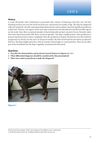 May 2019 in “Small Animal Dermatology”
 The dog has Color Dilution Alopecia, causing hair loss and increased risk of skin infections.
 April 2019 in “Journal of Investigative Dermatology”
 The created skin model with melanoblasts improves the study of skin color and offers an alternative to animal testing.
 September 2018 in “International Journal of Advanced Community Medicine”
 The cream effectively treats acne and dermatitis without causing irritation.
Sinsun-yukza-hwan extract promotes hair growth in mice.
 April 2018 in “The journal of investigative dermatology/Journal of investigative dermatology”
 Researchers created a 3D-printed skin model that grew human hair when grafted onto mice by improving blood supply to the grafts.
 June 2017 in “Journal of clinical and investigative dermatology”
 Red blood cell folate levels are reliable indicators of long-term folate status in alopecia areata patients.
 January 2016 in “Springer eBooks”
 Alopecia Areata is an unpredictable autoimmune hair loss condition with limited and variable treatment effectiveness.