 49 citations
,
January 2004 in “Dermatology”
49 citations
,
January 2004 in “Dermatology” Men with a family history of hair loss are more likely to experience it themselves, especially if both parents have hair loss.
3 citations
,
June 2020 in “Frontiers in Immunology” Parental uveitis increases offspring's risk and severity of autoimmune eye disease.
 September 2024 in “Frontiers in Genetics”
 A specific genetic marker is linked to male pattern baldness in Han Chinese men.
33 citations
,
September 1987 in “American Journal of Medical Genetics” Uncombable hair is inherited dominantly with complete penetrance.
 December 2022 in “American journal of medical genetics. Part A”
 A person got uncombable hair syndrome from two copies of chromosome 1 from their mother.
August 2025 in “Andrology” Abraham's family infertility may have a genetic explanation.
5 citations
,
November 1979 in “PubMed” A hereditary condition causes hair loss and twisted hair in some family members.
 August 2023 in “Frontiers in Endocrinology”
 Mutations in mitochondrial DNA might significantly contribute to the development of Polycystic Ovarian Syndrome.
 May 2022 in “Clinical Epigenetics”
 A mother's iron levels early in pregnancy can influence the DNA makeup of her child, potentially affecting the child's health.
 432 citations
,
April 2014 in “Nature communications”
432 citations
,
April 2014 in “Nature communications” A mother's diet at conception can cause lasting genetic changes in her child.
 111 citations
,
October 2008 in “Nature Genetics”
111 citations
,
October 2008 in “Nature Genetics” Researchers found a new gene area linked to male-pattern baldness, which, along with another gene, significantly increases the risk of hair loss in men.
25 citations
,
May 2004 in “Prenatal Diagnosis” Prenatal genetic diagnosis may not predict MELAS syndrome severity in offspring.
 23 citations
,
December 2013 in “British Journal of Dermatology”
23 citations
,
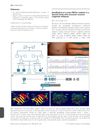
December 2013 in “British Journal of Dermatology” A new gene mutation linked to a skin condition was found in a Spanish family.
 November 2023 in “Journal of animal science/Journal of animal science ... and ASAS reference compendium”
 Pig hair cortisol levels are inheritable and linked to stress responses, which could help select for more resilient pigs.
 July 2024 in “Indian Journal of Dermatology Venereology and Leprology”
 Certain gene variations in PITX2 are linked to a higher risk of male pattern baldness in Indians.
9 citations
,
February 2002 in “PubMed” A new gene mutation causes hereditary coproporphyria with reduced enzyme activity.
 June 2026 in “Research Square”
 Alopecia areata may be influenced by both genetics and environment, requiring family monitoring and addressing stress and infections.
 195 citations
,
June 2005 in “American Journal of Human Genetics”
195 citations
,
June 2005 in “American Journal of Human Genetics” Genetic variation in the androgen receptor gene mainly causes early-onset hair loss, with maternal inheritance playing a key role.
 9 citations
,
August 2013 in “PLOS ONE”
9 citations
,
August 2013 in “PLOS ONE” Genetic variants at 20p11 increase baldness risk in Chinese Han people.
 3 citations
,
June 2022 in “European journal of human genetics”
3 citations
,
June 2022 in “European journal of human genetics” A new type of pachyonychia congenita linked to a specific keratin gene mutation was found in two Pakistani families.
10 citations
,
April 2013 in “Journal of Investigative Dermatology” Epidermolytic ichthyosis can be inherited in a semidominant way with mild symptoms in carriers.
 7 citations
,
January 2015 in “Case reports in genetics”
7 citations
,
January 2015 in “Case reports in genetics” Using SNP array testing helped quickly find the gene causing Woodhouse-Sakati syndrome in two related individuals.
20 citations
,
October 2005 in “Archives of Dermatological Research”  27 citations
,
May 2002 in “The Journal of Clinical Endocrinology & Metabolism”
27 citations
,
May 2002 in “The Journal of Clinical Endocrinology & Metabolism” Brothers of women with PCOS tend to have higher levels of a hormone called DHEAS, indicating a possible genetic link.
April 2015 in “Dentistry 3000” Premature hair graying in the face may be influenced by genetics and environment.
 January 2025 in “Dermatology Practical & Conceptual”
 A new genetic model may improve treatment and diagnosis for certain inherited skin diseases.
January 2013 in “Frontiers in Immunology” Parental uveitis increases offspring's risk and severity of autoimmune eye disease.
19 citations
,
October 1996 in “International Journal of Dermatology” Pseudopelade is a rare inherited hair loss condition with a genetic cause.
26 citations
,
July 2020 in “Fertility and Sterility” Male infertility and genitourinary birth defects are often linked to genetic issues.
Genetic mutations linked to ectodermal dysplasias and hair loss were identified in Pakistani families.