 6 citations
,
September 2021 in “AESTHETIC OROFACIAL SCIENCE”
6 citations
,
September 2021 in “AESTHETIC OROFACIAL SCIENCE” Platelet-rich plasma (PRP) is a cost-effective way to improve skin rejuvenation and repair in facial aesthetics.
 3 citations
,
July 2016 in “Atlas of the Oral and Maxillofacial Surgery Clinics”
3 citations
,
July 2016 in “Atlas of the Oral and Maxillofacial Surgery Clinics” Careful planning and technique in upper facial rejuvenation can minimize risks like hair loss, nerve damage, and scarring.
 April 2019 in “Journal of Investigative Dermatology”
 Fractional photothermolysis helps wounds heal with minimal scarring.
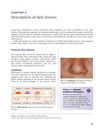
The document explains different types of skin lesions and their characteristics, causes, and related conditions.
 September 2005 in “Clinics in Plastic Surgery”
 The document provides a comprehensive index of medical and surgical topics, including hair removal, hair restoration, and various treatments for injuries and conditions.
 January 2012 in “Current Therapy In Oral and Maxillofacial Surgery”
 Endoscopic forehead and brow lifting safely and consistently improves aged eyebrows, but may have complications.
 32 citations
,
January 2006 in “Acta dermato-venereologica”
32 citations
,
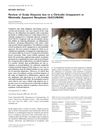
January 2006 in “Acta dermato-venereologica” SACUMAN, a rare condition causing hair loss without clear signs, is often misdiagnosed and needs scalp biopsies for accurate detection.
 8 citations
,
June 2016 in “Journal of Cutaneous Pathology”
8 citations
,
June 2016 in “Journal of Cutaneous Pathology” Two women were diagnosed with a rare melanoma that looked like hair loss but was actually a type of skin cancer.

COVID-19 can cause significant hair loss.
12 citations
,
October 2023 in “International Journal of Molecular Sciences” Understanding how skin cells react to pressure can help diagnose and manage pressure-related skin disorders.
April 2024 in “International journal of molecular sciences” Combination pharmacotherapy is generally more effective for treating keloids and hypertrophic scars.
 8 citations
,
December 2022 in “Nature Reviews Endocrinology”
8 citations
,
December 2022 in “Nature Reviews Endocrinology” Sex hormones' effects on COVID-19 are unclear and more research is needed to understand their potential as treatment.
 May 2026 in “Frontiers in Medicine”
 The shampoo effectively reduces scabs after hair transplant surgery without causing discomfort.
 February 2026 in “Journal of Thoracic Disease”
 Long COVID is a big health problem needing more research and better treatments.
16 citations
,
July 2022 in “The Laryngoscope” PRP injections for vocal fold issues are safe and improve vocal quality.
 April 2023 in “Authorea (Authorea)”
 Hair transplantation can improve scars after removing a rare skin cancer.
232 citations
,
December 2011 in “Journal of the American Academy of Dermatology” Understanding and targeting specific molecules can help reduce scarring and promote scar-free healing.
1425 citations
,
September 2020 in “Open Biology” Better understanding of wound healing is needed to develop effective treatments for chronic wounds.
5 citations
,
December 2022 in “Genes” Genetic differences affect how people respond to COVID-19.
36 citations
,
February 2016 in “British journal of pharmacology” Sirtuin 1 could be a potential drug target for treating hypertrophic scars.
1 citations
,
January 2023 in “International journal of molecular sciences” Rabbits with Sarcoptes scabiei had thicker skin, cell death, and skin hardening.
 June 2023 in “Clinical Case Reports”
 Complete surgical removal and regular check-ups are essential for treating a rare skin cancer, and hair transplant can help fix scars from cancer surgery.
10 citations
,
February 2022 in “Epidemiologia” One-third of COVID-19 patients had long-term symptoms like hair loss and fatigue, with women, older individuals, blood group B, smokers, and those with more virus exposure at higher risk.
7 citations
,
August 2024 in “Skin Research and Technology” The study's findings are unreliable due to retraction.
May 2026 in “Cell Reports Medicine” FR-1 reduces skin scarring and promotes healing without harmful effects.
3 citations
,
February 2023 in “Journal of Investigative Dermatology” Ch55 may help reduce skin scarring and fibrosis.
 April 2023 in “Journal of Investigative Dermatology”
 Combining platelet-rich plasma with laser therapy improves treatment for vitiligo, skin rejuvenation, and acne scars, but more research is needed.
112 citations
,
September 1968 in “PubMed” Hot comb use can cause permanent hair loss on the scalp.
 July 2022 in “JEADV Clinical Practice”
 The document concludes that different types of permanent hair loss conditions are related and early treatment is key to preventing further damage.
 October 2022 in “IntechOpen eBooks”
 Hair loss due to scarring can be treated by reducing inflammation, removing scar tissue, and transplanting hair. The Follicular Unit Extraction technique is effective but requires skill and time. Future focus should be on scar-less healing methods.