Choose FDA-cleared red light therapy devices and follow guidelines for safe use.
January 2026 in “Dermatologic Therapy” Photobiomodulation therapy effectively promotes hair regrowth and improves quality of life in alopecia areata without side effects.
 December 2025 in “Medical Sciences”
 Regenerative therapies show promise for hair regrowth, but more research and standardization are needed.
 December 2025 in “Lasers in Medical Science”
 Combining red laser therapy with minoxidil improves hair growth more effectively than minoxidil alone in women with hair loss.
November 2025 in “Journal of Investigative Dermatology” Dithranol reduces inflammation in alopecia areata by lowering certain immune responses.
 September 2025 in “International Journal of Innovative Technologies in Social Science”
 Red light therapy may help rejuvenate skin and regrow hair.
 August 2025 in “Systematic Reviews”
 Photobiomodulation may improve certain health conditions, but more high-quality research is needed.
 May 2025 in “Research Journal of Biotechnology”
 Diabetes can cause hair thinning, increased hair loss, and changes in hair growth phases.
 May 2025 in “Research Square (Research Square)”
 Conditioned medium from treated cells boosts hair growth in mice.
March 2025 in “International Journal of Trichology” Storing hair follicles in 10% DMEM at 37°C improves hair transplant success.

Photobiomodulation improves the quality of life for people with hair loss.
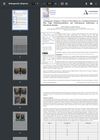
The combined treatment increased hair density in most patients with Androgenetic Alopecia.
Melatonin and photobiomodulation are effective for treating Alopecia X in German Spitz dogs.
Photobiomodulation effectively improves skin and hair conditions with minimal side effects.
April 2024 in “International journal of molecular sciences” Light-based treatment, Photobiomodulation, shows promise for non-invasive skin therapy with few side effects.
February 2024 in “Institutional Repository of the Federal Technological University of Paraná (RIUT) (Federal University of Technology – Paraná)” Photobiomodulation can influence gene and protein expression related to healing and inflammation.
January 2024 in “Updates in clinical dermatology” Photobiomodulation effectively stimulates hair growth and reduces hair loss.
January 2024 in “Defence life science journal” Light therapy can help heal soft tissue injuries and reduce pain and inflammation.
 November 2023 in “Journal of Cosmetic and Laser Therapy”
 Most alopecia patients are open to trying light therapy, especially at-home devices, but cost is a big factor in their willingness.
November 2023 in “Journal of Investigative Dermatology” Highly active but fewer CD14+CD16- monocytes are found in Alopecia Areata patients, regardless of severity.
 October 2023 in “Journal of the Endocrine Society”
 A rare case of Cushing syndrome was successfully treated with one-sided adrenal gland removal, suggesting personalized treatment is important.
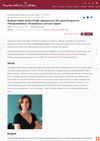 July 2023 in “Photobiomodulation, photomedicine, and laser surgery”
 Photobiomodulation increased hair count in men with hair loss after 5 weeks, with no further increase after 10 weeks.
 July 2023 in “Journal of lasers in medical sciences”
 Red laser therapy helped regrow hair in an alopecia areata patient within 21 days.
Nanotechnology improves Clomiphene citrate's effectiveness and reduces side effects for treating ovulatory disorders.
 May 2023 in “Dermatology Online Journal”
 No increased skin cancer risk was found in alopecia patients treated with photobiomodulation.
 April 2023 in “The journal of investigative dermatology/Journal of investigative dermatology”
 The study suggests that a specific type of immune cell, memory-like NK cells, may increase during active hair loss in Alopecia areata.
April 2023 in “Journal of Investigative Dermatology” Contact immunotherapy can change immune responses in alopecia areata, suggesting new treatment targets.
 November 2022 in “Journal of Investigative Dermatology”
 Scientists developed a new way to study mutations in a skin condition using blood cells, which may help diagnose and treat the disease.
 October 2022 in “Journal of ophthalmology”
 Light therapy may improve eye conditions by stimulating cell activity and increasing oxygen availability.
 October 2022 in “Journal of Pharmaceutical Negative Results”
 Photobiomodulation therapy shows promise in treating various health conditions by using specific light wavelengths.