 4 citations
,
February 2022 in “International Journal of Dermatology”
4 citations
,
February 2022 in “International Journal of Dermatology” Porocarcinoma generally has low rates of recurrence, spread to lymph nodes, and death.
 28 citations
,
August 2018 in “Dermatologic Surgery”
28 citations
,
August 2018 in “Dermatologic Surgery” Platelet-Rich Plasma (PRP) may help improve hair density in primary cicatricial alopecias (PCAs) patients, but more trials are needed to confirm its benefits.
The C-CAT tool helps assess and improve treatment for central centrifugal cicatricial alopecia.
 1 citations
,
July 2018 in “Journal of The American Academy of Dermatology”
1 citations
,
July 2018 in “Journal of The American Academy of Dermatology” Sebaceous glands are often preserved and PPARy expression is constant in some cases of Central Centrifugal Cicatricial Alopecia.
April 2026 in “UNC Libraries” Pulsed electric field treatment may help shrink untreated liver tumors.
 21 citations
,
June 2017 in “Journal of The American Academy of Dermatology”
21 citations
,
June 2017 in “Journal of The American Academy of Dermatology” Topical DPCP is somewhat effective for hair loss in alopecia areata, but more research is needed.
 June 2024 in “Journal of Ayub Medical College Abbottabad”
 Combining PRP with Procapil is more effective for hair loss treatment than PRP alone.
 June 2023 in “International Journal of Clinical Research and Reports”
 Method B with propylene glycol is better for stable low-concentration DPCP solutions for alopecia areata.
 1 citations
,
April 2018 in “The journal of investigative dermatology/Journal of investigative dermatology”
1 citations
,
April 2018 in “The journal of investigative dermatology/Journal of investigative dermatology” Topical patidegib gel effectively treats basal cell carcinoma in Gorlin syndrome patients without causing the side effects seen with oral treatments.
 20 citations
,
September 2013 in “Anti-Cancer Drugs”
20 citations
,
September 2013 in “Anti-Cancer Drugs” PTH-CBD could help prevent and treat hair loss caused by chemotherapy in mice.
2 citations
,
May 2024 in “International Journal of Medical Arts” Diphenylcyclopropenone (DPCP) is more effective than anthralin for treating resistant alopecia areata.
January 2005 in “Industrial Catalysis” The process effectively regenerates the Pd/C catalyst for finasteride synthesis.
January 2002 in “Linchuang pifuke zazhi” A young woman had a rare scalp tumor usually found in older women.
December 2007 in “대한피부과학회지” The treatment increased total hair count but wasn't significantly better than placebo.
 March 2026 in “Frontiers in Immunology”
 Pulsed electric field treatment may help the immune system fight liver tumors.
18 citations
,
December 2016 in “European journal of pharmacology” A new compound slows cancer cell growth and causes cell death by blocking cell cycle progression and increasing cell-damaging molecules.
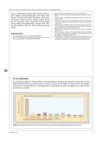
The document corrects a mistake by stating that pimecrolimus, not tacrolimus, is the drug that concentrates in the skin.
11 citations
,
December 2002 in “Controlled Clinical Trials” Simple methods using DHT levels effectively assess compliance.
January 2007 in “Journal of Clinical Dermatology” The topical solution increased hair count but wasn't significantly better than placebo in other measures.
6 citations
,
August 2016 in “Journal of Visualized Experiments” The CUBIC protocol allows detailed 3D visualization of proteins in mouse skin biopsies.
 44 citations
,
November 2011 in “The Journal of Dermatology”
44 citations
,
November 2011 in “The Journal of Dermatology” New understanding of the causes of primary cicatricial alopecia has led to better diagnosis and potential new treatments.
 September 2024 in “Journal of the American Academy of Dermatology”
 The compounded topical solution is safe, stable, and effective for personalized alopecia treatment.
 September 2024 in “Cureus”
 A new method improves platelet testing for heart disease patients.
July 2024 in “Journal of Investigative Dermatology” PH-762 shows promise in treating skin cancer by effectively targeting and silencing PD-1 in tumors with minimal side effects.
June 2023 in “Clinical Cosmetic and Investigational Dermatology” Pentoxifylline effectively improves pretibial pruritic papular dermatitis.
February 2017 in “Cancer Research” Topical calcitriol appears safe and may reduce hair loss during chemotherapy.
1 citations
,
January 2017 in “International journal of trichology” Diphenylcyclopropenone (DPCP) effectively treated both alopecia areata and verruca vulgaris.
 January 2024 in “Annals of Dermatology”
 DPCP immunotherapy is effective for alopecia areata, and understanding influencing factors can improve treatment and satisfaction.
2 citations
,
April 2023 in “American Journal of Dermatopathology” CCCA may involve the PD1/PDL1 pathway and increased caspase 3, leading to permanent hair loss.
 136 citations
,
April 2013 in “Clinical Cancer Research”
136 citations
,
April 2013 in “Clinical Cancer Research” The drug IPI-926 is safe at 160 mg daily and may help treat certain tumors, especially basal cell carcinoma.