 13 citations
,
September 2019 in “Clinical, Cosmetic and Investigational Dermatology”
13 citations
,
September 2019 in “Clinical, Cosmetic and Investigational Dermatology” Early treatment of EPDS can improve outcomes and reduce recurrence risk.
37 citations
,
February 2007 in “Experimental Dermatology” Increasing PDCD4 protein may help prevent or treat some skin cancers.
 March 1998 in “Journal of dermatological science”
 Diphencyprone initially increases mouse hair growth, then slows it, possibly due to changes in specific protein levels.
Targeting the PGI2 pathway may help heal diabetic foot ulcers.
January 2005 in “Life sciences” Targeting LPA could help treat skin disorders.
 84 citations
,
December 2018 in “Genetics in Medicine”
84 citations
,
December 2018 in “Genetics in Medicine” Pegvaliase is recommended for treating adults with phenylketonuria.
March 2019 in “eCommons (Cornell University)” The pony's skin condition improved significantly with prednisolone treatment.
11 citations
,
August 2025 in “Journal of Periodontal Research” Platelet-rich fibrin (PRF) is better for natural healing, especially in dental and medical treatments.
January 2024 in “Medicinska istrazivanja” Timely treatment of EPDS can reduce scarring.
2 citations
,
January 2023 in “Dermatologic Therapy” CEFFE injections effectively and safely improve postinflammatory hyperpigmentation.
January 2011 in “Journal of the American Academy of Dermatology” Finasteride may cause pseudoporphyria, a blistering skin condition.
 December 2025 in “Zenodo (CERN European Organization for Nuclear Research)”
 Current drug safety systems fail to detect long-term side effects, needing improvements to protect health and trust.
November 2005 in “CRC Press eBooks” SEPA 0009 is a promising and safe skin penetration enhancer for topical use.
15 citations
,
August 1991 in “Histochemistry and Cell Biology” Enhancing Factor is found in growing tissues like young mouse intestines and skin but not in adults.
 37 citations
,
May 2007 in “International Journal of Pharmaceutics”
37 citations
,
May 2007 in “International Journal of Pharmaceutics” PPCM microspheres allow controlled finasteride release over 24 hours.
99 citations
,
January 2004 in “Journal of Biological Chemistry” Methylprednisolone helps skin cells stick together better in pemphigus vulgaris.
 12 citations
,
February 2013 in “The Open Stem Cell Journal”
12 citations
,
February 2013 in “The Open Stem Cell Journal” DPSCs and SHED have great potential for medical treatments and tissue repair.
14 citations
,
September 2017 in “Clinical and Experimental Dermatology” Systemic photodynamic therapy can effectively treat stubborn folliculitis decalvans with few side effects.
 February 2024 in “Journal of Cellular and Molecular Medicine”
 A hydrogel releasing pectolinarin speeds up wound healing and reduces scarring.
19 citations
,
October 1996 in “International Journal of Dermatology” Pseudopelade is a rare inherited hair loss condition with a genetic cause.
2 citations
,
January 2012 in “Journal of Clinical & Experimental Dermatology Research” Fexofenadine reduces discomfort but doesn't significantly improve hair regrowth in Alopecia Areata treatment.
 2 citations
,
September 1980 in “Experientia”
2 citations
,
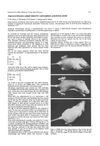
September 1980 in “Experientia” Polyethylene alanine caused hair loss in young lab animals but not in adults, with hair regrowth occurring within 20 days.
January 2014 in “Journal of Central South University(Science and Technology)” PPCM microspheres can effectively release finasteride over 42 days.
3 citations
,
May 2019 in “Journal of Cosmetic Dermatology” Pro-Ile could be used in cosmetics to improve skin, hair growth, and healing.
 2 citations
,
June 2021 in “PubMed”
2 citations
,
June 2021 in “PubMed” Chronic scalp lesions with crusts and pus indicate Erosive Pustular Dermatosis, which is confirmed by biopsy and effectively treated with strong topical steroids.
May 2021 in “Faculty Opinions – Post-Publication Peer Review of the Biomedical Literature” Clinicians need to better understand and treat Post-finasteride syndrome.
September 2019 in “Journal of Investigative Dermatology” EGFR and MEK inhibitors reduce PD-L1 in hair follicles, possibly causing inflammation.
 19 citations
,
May 2007 in “Dermatologic therapy”
19 citations
,
May 2007 in “Dermatologic therapy” The document concludes that various treatments, including laser therapy, are effective for managing pseudofolliculitis barbae, especially in darker skin types.
31 citations
,
December 2016 in “Anais Brasileiros de Dermatologia” DHEA reduction may be linked to frontal fibrosing alopecia, but more research is needed.
6 citations
,
August 2022 in “International journal of molecular sciences” α-Phellandrene may help prevent hair loss by increasing growth factors and cell growth in hair cells through a specific signaling pathway.