
Deucravacitinib improves symptoms and reduces inflammation in Lichen Planopilaris.
9 citations
,
October 2015 in “Cutaneous and ocular toxicology” Vemurafenib can cause scalp issues but can be managed without changing the dose.
Alopecia universalis from alemtuzumab in multiple sclerosis can be reversed with specific treatments.
 March 2026 in “Indian journal of veterinary and animal sciences research.”
 A Labrador Retriever with pemphigus fully recovered after six weeks of azathioprine treatment.

Upadacitinib effectively treated a patient with multiple inflammatory conditions.
1 citations
,
July 2024 in “Journal of Investigative Dermatology” TAK-279 effectively reduces psoriasis symptoms and is safe.
11 citations
,
August 2021 in “Stem Cell Research & Therapy” Pimecrolimus reduces the effectiveness of stem cell therapy for atopic dermatitis.
 18 citations
,
March 2006 in “Expert Review of Neurotherapeutics”
18 citations
,
March 2006 in “Expert Review of Neurotherapeutics” The document concludes that managing side effects of MS therapies is crucial for treatment success and patient adherence.
3 citations
,
July 2025 in “International Immunopharmacology” 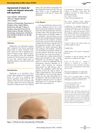 3 citations
,
December 2021 in “Dermatology reports”
3 citations
,
December 2021 in “Dermatology reports” Dupilumab can improve both atopic dermatitis and alopecia universalis.
January 2026 in “Acta Dermato Venereologica” Dupilumab effectively treats severe skin issues in a rare genetic disorder.
 6 citations
,
January 2012 in “Journal of Biomedicine and Biotechnology”
6 citations
,
January 2012 in “Journal of Biomedicine and Biotechnology” Ustekinumab might work for severe psoriasis, but more research is needed to be sure.
 25 citations
,
July 1994 in “Archives of Dermatology”
25 citations
,
July 1994 in “Archives of Dermatology” A man's skin condition, pemphigus vulgaris, came back after he was treated with interleukin 2 for cancer.
 93 citations
,
May 2010 in “European Journal of Cancer”
93 citations
,
May 2010 in “European Journal of Cancer” BI 2536 had limited effectiveness against several advanced cancers and caused significant side effects.
5 citations
,
October 2024 in “Reumatismo” Upadacitinib significantly improved alopecia universalis and psoriatic arthritis in a patient.
July 2024 in “Journal of Investigative Dermatology” INTASYL is a promising, adaptable RNAi technology for treating skin cancers.
3 citations
,
August 2024 in “British Journal of Dermatology” Dupilumab may help treat hair loss and skin color loss in some patients with atopic dermatitis.
September 2025 in “Clinical and Experimental Rheumatology” 7 citations
,
March 2023 in “Lasers in Surgery and Medicine” Ablative fractional laser treatment nearly matches the gene reduction effects of topical vismodegib in skin cancer.
17 citations
,
October 2024 in “Journal of the American Academy of Dermatology” Brepocitinib effectively reduces inflammation and improves symptoms in cicatricial alopecia with good safety.
3 citations
,
May 2024 in “International Journal of Dermatology” Pediatric pemphigus is often diagnosed late, but rituximab helps control it long-term.
July 2025 in “Journal of Investigative Dermatology” Machine learning can help identify biomarkers for personalized Pemphigus vulgaris treatment.
29 citations
,
July 2008 in “British Journal of Dermatology” The patient had paraneoplastic pemphigus without mucosal involvement.
 June 2024 in “Archives of Medical Science”
 Telitacicept effectively improved hair regrowth in a woman with lupus and alopecia.
13 citations
,
April 2024 in “JAAD Case Reports” Deucravacitinib may effectively treat discoid lupus erythematosus.
 11 citations
,
September 1999 in “Journal of the European Academy of Dermatology and Venereology”
11 citations
,
September 1999 in “Journal of the European Academy of Dermatology and Venereology” Immunomodulatory therapies are effective for treating cutaneous lymphoma, particularly in early stages.
Tofacitinib and low-dose IL-2 may help maintain hair regrowth in alopecia areata without ongoing treatment.
April 2016 in “Journal of Investigative Dermatology” Blocking certain proteins can significantly regrow hair in severe alopecia areata.
1 citations
,
May 2024 in “Dermatology Online Journal” Scalp pemphigus vulgaris can be effectively treated with low-dose prednisone and triamcinolone.
 4 citations
,
January 2016 in “Dermatology Review”
4 citations
,
January 2016 in “Dermatology Review” Cancer treatments often cause skin, nail, and hair problems.