 1 citations
,
April 2023 in “Science Advances”
1 citations
,
April 2023 in “Science Advances” High levels of ERK activity are key for tissue regeneration in spiny mice, and activating ERK can potentially redirect scar-forming healing towards regenerative healing in mammals.
 1 citations
,
March 2023 in “European Journal of Human Genetics”
1 citations
,
March 2023 in “European Journal of Human Genetics” The UK's EDS National Diagnostic Service found that early diagnosis, lifestyle advice, and regular check-ups are crucial for managing vascular Ehlers-Danlos syndrome. A combination of losartan and bisoprolol can reduce vascular events, improving survival and quality of life.
 April 2026 in “The Open Biotechnology Journal”
 Resveratrol shows health benefits but faces challenges in effectiveness and regulation.

Polydopamine is promising for personalized medicine and biomedical technology due to its strong adhesion and biocompatibility.
 January 2026 in “Frontiers in Microbiology”
 Enterococcus faecium broth may slow aging and improve health by boosting immunity and gut bacteria.
January 2026 in “Biomolecules” TSC22D genes are key in metabolic diseases and cancer, offering potential as treatment targets.
November 2025 in “BMC Genomics” Wrinkled skin in Xiang pigs is linked to gene changes related to oxidative stress and the extracellular matrix.
September 2025 in “Animals” The KRTAP22-2 gene in sheep does not significantly affect wool traits.
 June 2025 in “Stem Cell Research & Therapy”
 Isoproterenol may help treat hair loss by activating hair follicle stem cells.
 January 2025 in “Heliyon”
 Tamsulosin and finasteride have similar effects on blood sugar control in men with type 2 diabetes.
 February 2024 in “BMC genomics”
 The TRPV3 gene variant may cause the long-haired suri alpaca coat.
January 2024 in “Medicina” Proper planning and technique in upper-face feminization surgery are crucial to avoid complications and revisions.
 December 2023 in “Redox biology”
 The substance DMC helps get rid of aging cells by triggering a process that causes cell death, which could treat age-related diseases.
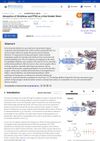 December 2023 in “The journal of physical chemistry. B (1997 : Online)”
 Human hair keratin might be good for filtering out harmful substances from water.
September 2023 in “International journal of molecular sciences” Targeting lipid metabolism can help treat advanced, resistant cancers.

Peptide hydrogels show promise for healing skin, bone, and nerves but need improvement in stability and compatibility.

New treatments for hair loss should target eight main causes and use specific plant compounds and peptides for better results.
 May 2023 in “Stem Cells International”
 Different parts of the body's fat tissue have unique cell types and characteristics, which could help treat chronic wounds.
 December 2022 in “Geriatrics”
 Good communication helps predict successful aging in older Indonesians.
July 2017 in “ORTHOPAEDICS TRAUMATOLOGY and PROSTHETICS” Managing rare genetic diseases like osteogenesis imperfecta and Escobar syndrome is complex and requires both medical and surgical treatments.
 February 2023 in “International Journal of Molecular Sciences”
 Exosomes from skin cells can boost hair growth by stimulating a gene called LEF1.
January 2025 in “Regenerative Biomaterials” The cerium-polypeptide hydrogel effectively heals drug-resistant bacterial wounds by fighting bacteria, reducing inflammation, and promoting tissue repair.
24 citations
,
July 2014 in “Journal of Investigative Dermatology” Nagashima-type palmoplantar keratosis in Asians is caused by a SERPINB7 gene mutation.
14 citations
,
August 2021 in “Molecular Genetics and Metabolism Reports” Pegvaliase effectively reduces blood phenylalanine levels in most PKU patients, but requires personalized plans and good communication to manage side effects.
27 citations
,
April 1978 in “Journal of Forensic Sciences” Enzyme typing can reliably characterize human hair.
61 citations
,
September 2011 in “Pain” PEA reduces pain by increasing neurosteroid synthesis in the spinal cord.
 November 2022 in “The journal of investigative dermatology/Journal of investigative dermatology”
 A patient with a new PLEC gene mutation showed symptoms of both muscular dystrophy and myasthenia gravis, which improved with steroid treatment.
 11 citations
,
April 2021 in “Advanced synthesis & catalysis”
11 citations
,
April 2021 in “Advanced synthesis & catalysis” PXX is an effective and affordable photocatalyst for creating new chemical bonds in organic synthesis.
118 citations
,
June 1993 in “Journal of Biological Chemistry” Human and mouse TGase3 enzymes are similar but differ near the activation site, crucial for their function in skin and hair development.
62 citations
,
December 2007 in “Journal of biological chemistry/The Journal of biological chemistry” A specific chemical change in the S100A3 protein leads to the formation of a four-part structure important for hair formation.