 64 citations
,
July 1997 in “Journal of The American Academy of Dermatology”
64 citations
,
July 1997 in “Journal of The American Academy of Dermatology” Finding eosinophils near hair bulbs helps diagnose alopecia areata.
 35 citations
,
November 2010 in “Journal of Cutaneous Pathology”
35 citations
,
November 2010 in “Journal of Cutaneous Pathology” Dilated follicular infundibula and increased catagen/telogen follicles are key indicators for diagnosing alopecia areata.
 31 citations
,
March 2017 in “Journal of The American Academy of Dermatology”
31 citations
,
March 2017 in “Journal of The American Academy of Dermatology” Some breast cancer patients developed permanent hair loss after chemotherapy and hormonal therapy, showing patterns similar to common baldness and alopecia areata.
 7 citations
,
December 2016 in “British Journal of Dermatology”
7 citations
,
December 2016 in “British Journal of Dermatology” The report suggests that hair loss in Cronkhite-Canada syndrome may be caused by alopecia areata incognita, as shown by a patient's improvement with treatment.
 53 citations
,
September 2011
53 citations
,
September 2011 Other common signs, not just the well-known immune cells around hair bulbs, are important for diagnosing hair loss from alopecia areata.
 33 citations
,
July 1992 in “Journal of Investigative Dermatology”
33 citations
,
July 1992 in “Journal of Investigative Dermatology” Minoxidil doesn't affect perifollicular lymphoid infiltration in alopecia areata patients.
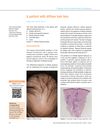 January 2015 in “Indian Dermatology Online Journal”
 The patient's hair loss is most likely due to diffuse alopecia areata.
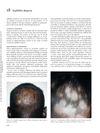 April 2012 in “Informa Healthcare eBooks”
 Syphilitic alopecia is a rare hair loss condition in secondary syphilis that looks similar to another condition but can be diagnosed with specific tests and responds to antibiotics.
 1 citations
,
September 2021 in “Journal of The American Academy of Dermatology”
1 citations
,
September 2021 in “Journal of The American Academy of Dermatology” Hair loss in both Androgenetic Alopecia and Alopecia Areata is often accompanied by inflammation around hair follicles, but the location and severity of this inflammation varies.
 72 citations
,
February 2011 in “The American Journal of Dermatopathology”
72 citations
,
February 2011 in “The American Journal of Dermatopathology” Anti-TNF therapy can cause a unique type of hair loss that may get better with topical treatments without stopping the therapy.
 2 citations
,
July 2013 in “InTech eBooks”
2 citations
,
July 2013 in “InTech eBooks” Scalp biopsy helps tell apart permanent and temporary hair loss types and guides treatment.
 23 citations
,
June 2003 in “Journal of Investigative Dermatology Symposium Proceedings”
23 citations
,
June 2003 in “Journal of Investigative Dermatology Symposium Proceedings” Alopecia Areata is an autoimmune disease affecting hair follicles, influenced by genetic and environmental factors, with rodent models being essential for research.
 17 citations
,
July 1994 in “Journal of Dermatological Science”
17 citations
,
July 1994 in “Journal of Dermatological Science” The cause of alopecia areata is likely a mix of genetics, immune system issues, and environmental factors, with more research needed to understand it fully.
 15 citations
,
July 1999 in “Dermatologic Clinics”
15 citations
,
July 1999 in “Dermatologic Clinics” The document concludes that immune system abnormalities cause alopecia areata, but the exact process is still not completely understood.
 37 citations
,
November 2003 in “Veterinary pathology”
37 citations
,
November 2003 in “Veterinary pathology” Hair loss in mice starts with immune cells damaging hair roots before it becomes visible.
October 2024 in “Frontiers in Immunology” Pertussis toxin may contribute to hair loss in alopecia areata.
 July 2023 in “Journal of Clinical Medicine”
 The document concludes that understanding hair follicle histology and the hair cycle is crucial for diagnosing alopecia.
 3 citations
,
May 2018 in “Journal of Cosmetic Dermatology”
3 citations
,
May 2018 in “Journal of Cosmetic Dermatology” Biopsy can differentiate between alopecia areata and androgenic alopecia, and if more information is needed, testing for CD3 and CD8 can help.

A girl with Crohn's disease developed hair loss due to her increased medication, a rare side effect seen in some children.
 44 citations
,
November 1998 in “Australasian Journal of Dermatology”
44 citations
,
November 1998 in “Australasian Journal of Dermatology” Accurate diagnosis is key for treating different kinds of hair loss, and immune response variations may affect the condition and treatment results.
 3 citations
,
July 2013 in “Journal of Cutaneous Pathology”
3 citations
,
July 2013 in “Journal of Cutaneous Pathology” A woman's hair loss, resembling an autoimmune condition, improved after treatment, but requires ongoing checks due to potential serious associations.
 1 citations
,
April 2016 in “Journal of The American Academy of Dermatology”
1 citations
,
April 2016 in “Journal of The American Academy of Dermatology” People with allergies or high eosinophil levels have a higher chance of severe hair loss from alopecia areata, and sudden hair loss can indicate chronic graft-versus-host disease.

CD4 T cells need IFN-γ to cause hair loss in alopecia areata.
 April 2016 in “Journal of The American Academy of Dermatology”
 Both atopy and eosinophilia are linked to more severe hair loss in people with alopecia areata.
 April 2016 in “Journal of The American Academy of Dermatology”
 The study found that severe alopecia areata affects any age, treatments often give temporary results, and some factors predict worse outcomes.
 April 2016 in “Journal of The American Academy of Dermatology”
 People with certain allergic conditions or higher white blood cell counts have more severe hair loss, and treating hair and nail side effects early in melanoma therapy can improve quality of life.
 April 2021 in “Sohag Medical Journal”
 Alopecia areata is an autoimmune condition causing hair loss, linked to genetic factors and immune system issues, with no cure yet.
 March 2026 in “Journal of Skin and Sexually Transmitted Diseases”
 Long hair can cause hair loss in the middle of the scalp, and cutting it shorter helps.
 170 citations
,
December 2009 in “Histopathology”
170 citations
,
December 2009 in “Histopathology” The conclusion is that accurate diagnosis of different types of hair loss requires good teamwork between skin doctors and lab experts.
 68 citations
,
May 2016 in “Experimental dermatology”
68 citations
,
May 2016 in “Experimental dermatology” FFA's causes may include environmental triggers and genetic factors.