 21 citations
,
March 2019 in “Experimental Dermatology”
21 citations
,
March 2019 in “Experimental Dermatology” Immune cells around hair follicles help control hair growth and could be targets for treating hair disorders.
 24 citations
,
October 2018 in “JAAD Case Reports”
24 citations
,
October 2018 in “JAAD Case Reports” A woman's eyelash regrowth was successful using tofacitinib solution for alopecia areata.
6 citations
,
January 2014 in “PubMed” The man's scalp condition improved significantly with daily use of 0.1% mometasone furoate cream.
 January 2015 in “Journal of evolution of medical and dental sciences”
 Topical tacrolimus is effective and safe for treating alopecia areata.
 January 2026 in “Pharmaceutical journal/The pharmaceutical journal”
 Acne is common and can be managed with proper care.
 5 citations
,
April 2014 in “The American Journal of Dermatopathology”
5 citations
,
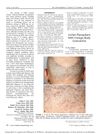
April 2014 in “The American Journal of Dermatopathology” Foreign-body granuloma may be a marker for late-stage Lichen Planopilaris and should be considered in diagnosis.
 8 citations
,
July 2018 in “European Journal of Dermatology”
8 citations
,
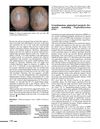
July 2018 in “European Journal of Dermatology” A medication may help with hair growth in psoriasis, and a skin condition might be linked to a specific bacteria.
 March 2026 in “Dermatology Reports”
 FFA has higher long-term remission rates than LPP.
 1 citations
,
July 2022 in “PLOS ONE”
1 citations
,
July 2022 in “PLOS ONE” The study concluded that people with Lichen Planopilaris have a more diverse scalp bacteria and different metabolic pathways compared to healthy individuals.
9 citations
,
October 1947 in “The Lancet” 1 citations
,
November 1947 in “The Lancet”  April 2023 in “World Journal Of Advanced Research and Reviews”
 Cosmetic products or emotional factors might contribute to Frontal Fibrosing Alopecia, and trichoscopy is useful for diagnosis.
22 citations
,
November 1979 in “Archives of dermatology” A woman with Fox-Fordyce disease had symptom relief using tretinoin cream.
 1 citations
,
September 2021 in “CRC Press eBooks”
1 citations
,
September 2021 in “CRC Press eBooks” Frontal Fibrosing Alopecia is a hair loss condition mainly affecting postmenopausal women, with unclear causes and various clinical patterns.
1 citations
,
November 2014 in “Actas dermo-sifiliográficas/Actas dermo-sifiliográficas”  10 citations
,
May 1978 in “Acta Dermato Venereologica”
10 citations
,
May 1978 in “Acta Dermato Venereologica” Pustules in toxic erythema are linked to hair follicles or sweat ducts.
 166 citations
,
April 2012 in “Journal of The American Academy of Dermatology”
166 citations
,
April 2012 in “Journal of The American Academy of Dermatology” Mostly postmenopausal Caucasian women get Frontal Fibrosing Alopecia, which often includes eyebrow loss and has limited treatment success.
8 citations
,
June 1934 in “Archives of Dermatology and Syphilology” Ringworm of the scalp can heal on its own, especially if caused by animal-related fungi.

The rash worsened due to a fungal infection masked by corticosteroids.
Visible lesions are not always needed to diagnose tinea capitis.
6 citations
,
September 2011 in “Journal of the American Academy of Dermatology” A man with HIV had an unusual syphilis rash that looked like folliculitis but was cured with penicillin.
 16 citations
,
June 2015 in “Pediatric dermatology”
16 citations
,
June 2015 in “Pediatric dermatology” Lichen Planopilaris in teens is rare, often misdiagnosed, and responds well to steroids.
January 2023 in “SKIN The Journal of Cutaneous Medicine” 4 citations
,
November 2020 in “Case reports in dermatology” A rare skin condition causes red, dark, bumpy facial lesions.
 November 2022 in “The journal of investigative dermatology/Journal of investigative dermatology”
 Linalool in personal care products may contribute to hair loss by damaging hair follicle stem cells and triggering harmful immune responses.
December 2024 in “Journal of Pediatric Surgery Case Reports” Surgical removal of hair effectively treated pilonidal omphalitis in a teenager.
December 2025 in “Antibiotics” Tinea capitis in older adults is often misdiagnosed but can be effectively treated with antifungal therapy.
January 2026 in “Case Reports in Dermatological Medicine” Intralesional steroids effectively treated a young female's scalp nodules without recurrence.
 January 2014 in “Springer eBooks”
 Chronic telogen effluvium is a condition where there is prolonged shedding of hair.