3 citations
,
February 2002 in “The American journal of psychiatry” Stopping birth control pills may have triggered a manic episode in a woman with HAIR-AN syndrome.
Oral contraceptives may cause significant hair loss in women.
74 citations
,
February 2018 in “Stroke” Women have unique stroke risks due to hormones, contraceptives, pregnancy, and menopause.
 April 2025 in “Journal of Investigative Dermatology”
 High LH levels cause hair loss by damaging and aging hair follicles.
June 2020 in “ACTA MEDICA IRANICA” A rare benign ovarian tumor caused virilization in a postmenopausal woman, treated successfully with surgery.
 May 2026 in “Journal of Clinical Medicine”
 Women with PCOS are more likely to experience depressive symptoms.
3 citations
,
October 1993 in “Endocrinology” March 2026 in “JCEM Case Reports” Surgery removed ovarian tumors, normalizing testosterone and improving symptoms.
December 2025 in “Actas Dermo-Sifiliográficas”  18 citations
,
April 2016 in “Endocrinology and Metabolism Clinics of North America”
18 citations
,
April 2016 in “Endocrinology and Metabolism Clinics of North America” The document concludes that diagnosing PCOS in teenagers is difficult and should focus on specific hormone levels and menstrual irregularities, while also considering treatment for symptoms and related health issues.
83 citations
,
February 1977 in “PubMed” Increasing light exposure in winter can make mares ovulate and cycle earlier.
 13 citations
,
March 2019 in “Physiological Research”
13 citations
,
March 2019 in “Physiological Research” Overweight women with PCOS have higher levels of certain hormones that could indicate a higher risk of heart and metabolic problems.
October 2025 in “Journal of the Endocrine Society” Leydig cell tumors in the ovary can cause high testosterone and male traits in postmenopausal women but are treatable with surgery.
 November 2023 in “L'Endocrinologo”
 Women with PCOS are more likely to experience sexual dysfunction, but lifestyle changes and weight loss can improve sexual function.
 18 citations
,
May 2014 in “Menopause”
18 citations
,
May 2014 in “Menopause” A 5 mg dose of transdermal testosterone cream effectively restores testosterone levels in postmenopausal women.
 August 2011 in “Clinical and Experimental Dermatology”
 About 30% of women feel they lose too much hair, often starting before age 40, and most can't find a reason for it.
1 citations
,
April 2013 in “The FASEB Journal” 3α‐OH‐DHP is essential for reducing nerve activity related to blood pressure control during pregnancy.
 March 2024 in “CRC Press eBooks”
 Nutraceuticals can effectively manage hormonal imbalances and related health issues.
 14 citations
,
October 2006 in “Journal of The American Academy of Dermatology”
14 citations
,
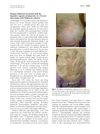
October 2006 in “Journal of The American Academy of Dermatology” A woman with Parkinson's disease experienced hair loss from the Parkinson's medication pramipexole, which improved after stopping the drug.
 May 2006 in “Women's Health Medicine”
 Excessive hair growth in women, often from high androgen levels, is usually caused by PCOS, and can be treated with hair removal, medication, and possibly weight loss.
 150 citations
,
April 2013 in “Dermato-endocrinology”
150 citations
,
April 2013 in “Dermato-endocrinology” Estrogen therapy can reduce skin aging but has cancer risks.
 2 citations
,
May 1999 in “PubMed”
2 citations
,
May 1999 in “PubMed” Hyperandrogenism in women can cause acne, hair growth, hair loss, irregular periods, and increase the risk of infertility and diabetes.
3 citations
,
November 2022 in “International journal of environmental research and public health/International journal of environmental research and public health” Ethnic Indian women with PCOS often have early symptoms, delayed diagnosis, and need better information and support for treatment and lifestyle management.
 November 2024 in “Gynecological Endocrinology”
 The article's findings are uncertain and should be viewed with caution.
 99 citations
,
August 2003 in “Fertility and Sterility”
99 citations
,
August 2003 in “Fertility and Sterility” Too much male hormone is the main cause of Polycystic Ovary Syndrome.
1 citations
,
June 2025 in “Journal of Clinical Medicine” Frontal fibrosing alopecia often occurs after menopause, with delayed diagnosis and possible links to certain medications and conditions.
 36 citations
,
May 2017 in “The journal of sexual medicine”
36 citations
,
May 2017 in “The journal of sexual medicine” Cyproterone acetate treatment is safe and causes mild feminization, which increases with added estrogen.
2 citations
,
August 1999 in “PubMed” 
Many young women have Polycystic Ovarian Syndrome (PCOS), which is often linked with irregular periods, depression, low self-esteem, and insomnia. Lifestyle and diet changes, along with regular counseling, can help manage these symptoms.