 73 citations
,
November 2005 in “Journal of Investigative Dermatology Symposium Proceedings”
73 citations
,
November 2005 in “Journal of Investigative Dermatology Symposium Proceedings” Some women with common hair loss may develop permanent hair loss.
 72 citations
,
July 2003 in “Journal of cosmetic dermatology”
72 citations
,
July 2003 in “Journal of cosmetic dermatology” Frequent hair coloring and styling can damage hair and cause breakage or loss.
 40 citations
,
February 2002 in “International Journal of Dermatology”
40 citations
,
February 2002 in “International Journal of Dermatology” Permanent hair dye damages hair but it mostly recovers after 8 weeks; using certain hair care products can help repair it.
24 citations
,
January 2001 in “International Journal of Cancer” Permanent hair dye use may increase bladder cancer risk, especially in female smokers with certain genetic traits.
 12 citations
,
December 2017 in “Food and chemical toxicology”
12 citations
,
December 2017 in “Food and chemical toxicology” Permanent hair dye mixtures can irritate and damage the skin.
 4 citations
,
June 2020 in “JAAD case reports”
4 citations
,
June 2020 in “JAAD case reports” Permanent hair dye may cause total hair loss.
 2 citations
,
January 2014 in “Sen i Gakkaishi”
2 citations
,
January 2014 in “Sen i Gakkaishi” The new hair straightening method keeps hair straight permanently by using specific creams and heat.

Perms can damage hair and scalp, so proper assessment and care are essential.
August 2024 in “International Journal of Cosmetic Science” Acetyl zingerone methyl ether protects and extends hair color while improving hair health.
 June 2024 in “British Journal of Dermatology”
 Permanent hair loss from chemotherapy significantly impacts patients' mental health and social life, highlighting the need for better patient education and support.
 August 2022 in “Contact dermatitis”
 Severe allergic reactions to hair dye can trigger hair loss and may be linked to multiple sclerosis.
February 2022 in “Cosmetic Dermatology” Permanent hair waving uses chemicals to create long-lasting curls.
September 2021 in “Zenodo (CERN European Organization for Nuclear Research)” The new laser is effective, safe, and fast for permanent hair removal.
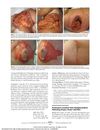 3 citations
,
May 2010 in “Archives of dermatology”
3 citations
,
May 2010 in “Archives of dermatology” Herpes zoster infection can cause permanent hair color change in the affected area.
 April 2026 in “Cosmetics”
 The shampoo effectively covers gray hair gradually and maintains color after multiple washes.
 June 2024 in “Indian Journal of Plastic Surgery/Indian journal of plastic surgery”
 A new method helps ensure long-lasting hair transplant results by accurately calculating the donor area.
January 2024 in “UVic’s Research and Learning Repository (University of Victoria)” A permanent hair system on the scalp is suggested to address challenges in 3D bioprinting hair follicles.
 January 2023 in “Fashion and textiles”
 Cationic and nonionic surfactants provide better color intensity and resistance for semi-permanent hair dye than anionic surfactants.
November 2016 in “University of the Arts London Research Online (University of the Arts London)” Shampoos with polymers and dyes help maintain and enhance hair color vibrancy.
 45 citations
,
December 2006 in “Biopolymers”
45 citations
,
December 2006 in “Biopolymers” Permanent waving weakens hair by altering its protein structure.
 5 citations
,
June 2013 in “Fashion business”
5 citations
,
June 2013 in “Fashion business” Rosehip extract improves hair wave, thickness, and color vibrancy.
 February 2026 in “Journal of the Korean Society of Cosmetology”
 Silicone oil viscosity affects hair curling and damage during treatments.
 20 citations
,
July 1988 in “Clinics in dermatology”
20 citations
,
July 1988 in “Clinics in dermatology” Thioglycolate lotions are the most popular method for permanent waving and hair straightening.
 5 citations
,
January 1990 in “Journal of Society of Cosmetic Chemists of Japan”
5 citations
,
January 1990 in “Journal of Society of Cosmetic Chemists of Japan” Permanent wave lotion can extract proteins from hair, especially when pH is higher, and repeated treatments or bleaching can damage hair.
November 2024 in “Biophysical Chemistry” Hair structure changes immediately during perm treatment, with initial damage partially restored later.
 18 citations
,
January 2008 in “Sen'i Gakkaishi”
18 citations
,
January 2008 in “Sen'i Gakkaishi” Thioglycolic acid and L-cysteine change hair structure differently during perms, affecting hair strength and curling efficiency.
September 2014 in “Daehan miyong hakoeji” Adding 2% glycerin or hyaluronic acid to permanent wave treatments reduces hair damage, with hyaluronic acid being more effective.
January 2012 in “Jounal of The Korean Society of cosmetology” Applying conditioner mid-treatment reduces hair damage during perms.
 June 2007 in “Journal of Investigative Dermatology”
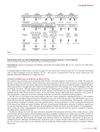
 Title change to "Central Centrifugal Cicatricial Alopecia (CCCA)"; common in African American women; hair-grooming methods may contribute; no effective therapy found; trials needed.
 2 citations
,
January 2019 in “Annals of dermatology/Annals of Dermatology”
2 citations
,
January 2019 in “Annals of dermatology/Annals of Dermatology” A patient experienced permanent hair loss due to an allergic reaction to a corticosteroid injection.