39 citations
,
March 2009 in “Dermatology Online Journal” Erlotinib can cause persistent excessive hair growth.
May 2017 in “Journal of the American Academy of Dermatology”  5 citations
,
December 2021 in “Journal of Cosmetic Dermatology”
5 citations
,
December 2021 in “Journal of Cosmetic Dermatology” QR678 Neo® hair growth treatment is effective for hair loss caused by Covid-19.
18 citations
,
April 2009 in “Journal of Chromatography A” Detecting steroid esters in cattle hair is inconsistent and influenced by sampling factors.
 March 2024 in “International journal of research in medical sciences”
 Dr. SKS hair booster serum effectively treats hair loss caused by COVID-19.
August 2023 in “Journal of Investigative Dermatology” Senescent melanocytes in nevus skin boost hair growth.
 November 2022 in “Journal of the Endocrine Society”
 A transman experienced lasting virilization symptoms after stopping testosterone, which were resolved with estradiol treatment.
 1 citations
,
December 2022 in “Biomedicines”
1 citations
,
December 2022 in “Biomedicines” Middle-aged women with PCOS often continue to experience symptoms related to high androgen levels, like unwanted hair growth.
2 citations
,
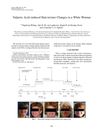
July 2024 in “International Journal of Transgender Health” Transgender individuals may face specific skin issues during gender-affirming treatments, needing personalized care.
 13 citations
,
January 2007 in “Epilepsia”
13 citations
,
January 2007 in “Epilepsia” Valproic acid can cause reversible hair curling and persistent hair thinning.
4 citations
,
August 2015 in “PloS one” Transplanted whisker follicles caused long hair growth on the spinal cords of mice.
4 citations
,
March 2007 in “British Journal of Dermatology” Gefitinib therapy can cause unusual hair growth on the nose.
3 citations
,
August 2004 in “Veterinary Dermatology” Supplementing vitamins and minerals prevented hair loss in Icelandic horses.
107 citations
,
June 1997 in “PubMed” EGFR is essential for normal hair development and follicle differentiation.
58 citations
,
April 1993 in “Developmental Biology” bFGF delays hair growth in mice.
October 2006 in “Dermatologic Surgery” Combining eflornithine cream with laser therapy effectively reduces unwanted facial hair in women.
 26 citations
,
December 1981 in “British journal of dermatology/British journal of dermatology, Supplement”
26 citations
,
December 1981 in “British journal of dermatology/British journal of dermatology, Supplement” Cyproterone acetate reduced hair growth in most hirsute females and made hair softer, thinner, and lighter.
 176 citations
,
August 2000 in “The Journal of clinical endocrinology and metabolism/Journal of clinical endocrinology & metabolism”
176 citations
,
August 2000 in “The Journal of clinical endocrinology and metabolism/Journal of clinical endocrinology & metabolism” Hormone treatments in transsexual individuals reduce hair growth and oil production in male-to-females and increase them in female-to-males.
84 citations
,
February 1981 in “Journal of Endocrinology” Epidermal growth factor slows hair and body growth in mice.
37 citations
,
March 2009 in “Hair transplant forum international” PRP treatment helped reverse hair thinning and promoted new hair growth.

Kerascalp hair serum was found to be safe and effective in improving hair growth and strength in people with mild to moderate hair loss.
 24 citations
,
November 2013 in “British Journal of Dermatology”
24 citations
,
November 2013 in “British Journal of Dermatology” Chemotherapy causes hair loss starting soon after treatment begins and recovers about 3 months after ending, while tamoxifen does not significantly affect hair growth.
 September 1997 in “JEADV. Journal of the European Academy of Dermatology and Venereology/Journal of the European Academy of Dermatology and Venereology”
 The document concludes that treatments like oral anti-androgens, minoxidil, and topical spironolactone can be effective for hair loss in men and women.
 5 citations
,
November 2015 in “International Journal of Radiation Biology”
5 citations
,
November 2015 in “International Journal of Radiation Biology” Gamma-ray exposure can cause long-lasting damage to hair follicles, affecting hair structure and color.
694 citations
,
April 2000 in “Nature genetics” Msx2 deficiency in mice leads to bone growth and organ development problems.
 30 citations
,
April 2017 in “European Journal of Cell Biology”
30 citations
,
April 2017 in “European Journal of Cell Biology” CIP/KIP proteins help stop cell division and support hair growth.
 7 citations
,
December 2013 in “The Journal of Dermatology”
7 citations
,
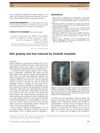
December 2013 in “The Journal of Dermatology” A woman's hair turned gray and fell out after starting a cancer drug called imatinib mesylate.
April 2016 in “The journal of investigative dermatology/Journal of investigative dermatology” Neoplasms hide in hair follicles to avoid the immune system.
 82 citations
,
May 2009 in “Development”
82 citations
,
May 2009 in “Development” EGF and KGF signalling prevent hair follicle formation and promote skin cell development in mice.
 1 citations
,
July 2016 in “Livestock science”
1 citations
,
July 2016 in “Livestock science” Nerve growth factor helps cashmere goat hair cells grow and is more active during the hair growth phase.