8 citations
,
July 2021 in “F1000Research” Plant-based compounds might be a promising alternative for prostate cancer treatment with fewer side effects.
December 2020 in “Macromolecular Symposia” These polymers can improve hair texture and reduce water loss in hair cosmetics.
November 2025 in “Journal of Natural Fibers” Human hair waste can be valuable in engineering and materials due to its unique properties.
Haircare products may expose users to harmful chemicals despite regulations.
January 2007 in “The Journal of Pharmaceutical Practice” The process to make finasteride is simple, cheap, and gives a good amount.
1 citations
,
January 2003 in “Chinese Journal of Pharmaceuticals” A new method to make Finasteride is more cost-effective and yields 16%.
19 citations
,
March 2023 in “Resources” Solid-state fermentation is an eco-friendly way to extract valuable compounds from agro-wastes for use in various industries.
January 2026 in “International Journal of Molecular Sciences” Hemp's compounds can be used in natural insecticides, cosmetics, and food supplements.
January 2002 in “Chinese Journal of Pharmaceuticals” A new method was developed to make a compound used in finasteride and epristeride with a 69% yield.
25 citations
,
May 2016 in “Molecular biology of the cell” A protein in plants needs to bind two lipids to help with root hair growth, and this process is similar across different plant species.
26 citations
,
January 2014 in “ALTEX” Pesticides can cause reproductive and adrenal health issues.
 May 2023 in “Pharma innovation”
 Certain plant oils are good for heart health and weight control but need protection before use in foods.
Polyglutamic acid is a valuable, sustainable ingredient for skincare and haircare products.
 March 2024 in “Royal Society of Chemistry eBooks”
 Different countries have their own rules for natural products used in beauty and personal care.
15 citations
,
November 2024 in “Materials” PHAs are promising biodegradable materials for medical and dental uses.
5 citations
,
March 2025 in “Tissue Engineering and Regenerative Medicine” January 2026 in “ChemistrySelect” The bio-based hair serum is a sustainable and effective alternative to silicone serums, offering better hair protection and eco-friendly benefits.
70 citations
,
August 2019 in “European Journal of Medicinal Chemistry” 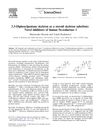 13 citations
,
August 2007 in “Bioorganic & medicinal chemistry letters”
13 citations
,
August 2007 in “Bioorganic & medicinal chemistry letters” A new compound effectively inhibits human 5α-reductase 1.
 2 citations
,
January 2019 in “American Journal of Applied Chemistry”
2 citations
,
January 2019 in “American Journal of Applied Chemistry” Castor oil is suitable for use in hair care products.
April 2024 in “Natural Product Communications” Juniperus pruning woods can be used to make effective biopesticides.
 4 citations
,
January 2018 in “Cosmetics”
4 citations
,
January 2018 in “Cosmetics” Spin traps like PBN could protect skin from pollution and sunlight in cosmetics but need more research for safe use.
70 citations
,
May 2019 in “Preprints.org” Chitin and chitosans from seafood waste are eco-friendly and useful in cosmetics for skin, hair, nail, and oral care.
 17 citations
,
August 2007 in “Bioorganic & Medicinal Chemistry Letters”
17 citations
,
August 2007 in “Bioorganic & Medicinal Chemistry Letters” A compound made by Pfizer can potentially stimulate hair growth and reduce oil production, making it a good candidate for topical use.
 11 citations
,
January 2008 in “International journal of environment and health”
11 citations
,
January 2008 in “International journal of environment and health” Children are at risk of health issues from exposure to platinum group elements from car exhausts.
May 2024 in “Frontiers in Nutrition” Turning food waste into useful products is key for a sustainable economy.
 1 citations
,
June 2023 in “ScienceRise Pharmaceutical Science”
1 citations
,
June 2023 in “ScienceRise Pharmaceutical Science” A semi-automated system can effectively help choose emulsion ingredients, simplifying the creation of medicinal and cosmetic products.
March 2026 in “Bioconjugate Chemistry” Peptide-based PROTACs show promise in targeting hard-to-treat proteins, especially for cancer therapy.
Natural adsorbents in cosmetics can significantly reduce skin and hair pollution.
 October 2025 in “Proceedings of the National Academy of Sciences”
 Phospholipids help plant proteins move by regulating receptor interactions.