6 citations
,
June 2022 in “Journal of Clinical Medicine” Tamsulosin with Serenoa repens is as effective as with 5-alpha-reductase inhibitors but causes fewer side effects.

The combination therapy improved hair growth and thickness in people with androgenetic alopecia.
37 citations
,
December 2021 in “Cells” Alopecia areata severity and treatment response are linked to specific cytokine levels.
10 citations
,
January 2023 in “Journal of Orthopaedic Surgery and Research” Panax notoginseng saponins with stem cells improve healing and reduce inflammation in diabetic ulcers.

Topical calcipotriol successfully treated hair loss in three patients with Alopecia Totalis.
 October 2008 in “Clin-alert”
 Certain medications can reduce mortality risk in COPD patients, but others can increase risks of cardiovascular issues, postoperative delirium, and other adverse effects.
 12 citations
,
June 2010 in “Journal of dermatology”
12 citations
,
June 2010 in “Journal of dermatology” Some patients with severe alopecia areata developed skin darkening from their treatment, which may indicate a less effective response to the therapy.
 1 citations
,
August 2023 in “South Asian Research Journal of Pharmaceutical Sciences”
1 citations
,
August 2023 in “South Asian Research Journal of Pharmaceutical Sciences” Fetuin A levels are higher in PCOS patients, while asprosin levels show no difference.
 7 citations
,
January 2015 in “Biological & Pharmaceutical Bulletin”
7 citations
,
January 2015 in “Biological & Pharmaceutical Bulletin” Rice Bran Supercritical CO2 Extract significantly increased hair density and diameter in male alopecia patients without any side effects.

Combining minoxidil, finasteride, and growth factors improves hair growth and reduces hair loss.
 5 citations
,
February 2023 in “European journal of endocrinology”
5 citations
,
February 2023 in “European journal of endocrinology” Older patients with Cushing's syndrome often have different symptoms and treatment outcomes compared to younger patients.
 64 citations
,
January 2002 in “American Journal of Clinical Dermatology”
64 citations
,
January 2002 in “American Journal of Clinical Dermatology” Some patients taking antipsychotic medications experience skin reactions, ranging from mild to severe.
 44 citations
,
November 2010 in “Current Opinion in Supportive and Palliative Care”
44 citations
,
November 2010 in “Current Opinion in Supportive and Palliative Care” Many patients find hair loss from chemotherapy very distressing, and while treatments like minoxidil and scalp cooling may help, there is no sure way to prevent it.
15 citations
,
January 2015 in “Dermatitis” Topical immunotherapy is the best treatment for severe alopecia areata.
 24 citations
,
June 2021 in “Journal of the European Academy of Dermatology and Venereology”
24 citations
,
June 2021 in “Journal of the European Academy of Dermatology and Venereology” Use specific tools to measure quality of life in alopecia areata patients and improve future treatments.
 3 citations
,
May 2018 in “Experimental Dermatology”
3 citations
,
May 2018 in “Experimental Dermatology” Young HS patients often have other physical and mental health issues, and research on HS covers a wide range of topics including genetics, triggers, treatments, and the need for more data.
 June 2020 in “Annals of the Rheumatic Diseases”
 Patients need better information about the risks of long-term steroid use.
 34 citations
,
November 1987 in “Archives of Dermatology”
34 citations
,
November 1987 in “Archives of Dermatology” Oral minoxidil helps hair regrowth in 80% of alopecia patients, but only 18% see cosmetic improvement.
 9 citations
,
January 2013
9 citations
,
January 2013 Alopecia areata patients have lower zinc, copper, and selenium levels than healthy people.
 July 2025 in “Dermatology and Therapy”
 Patients with fewer past treatments for alopecia areata respond better to baricitinib.
 January 2023 in “International journal of medical science and health research”
 Anovulatory PCOS patients are younger with longer cycles and higher blood pressure and hormone levels.
 January 2014 in “Michigan telecommunications and technology law review”
 Zinc deficiency in alcoholic cirrhosis patients causes skin issues, and zinc treatment improves symptoms.
 49 citations
,
December 2018 in “Journal of Investigational Allergology and Clinical Immunology”
49 citations
,
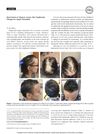
December 2018 in “Journal of Investigational Allergology and Clinical Immunology” Dupilumab may cause hair loss in some patients with severe atopic dermatitis.
 12 citations
,
August 2019 in “Dermatitis”
12 citations
,
August 2019 in “Dermatitis” Dupilumab for skin problems might reactivate hair loss in some patients.
 25 citations
,
October 2015 in “Dermatology”
25 citations
,
October 2015 in “Dermatology” Dapsone improved pustular psoriasis in patients who didn't respond to other treatments and is considered a well-tolerated option.
 11 citations
,
April 2009 in “Pharmacotherapy”
11 citations
,
April 2009 in “Pharmacotherapy” Minoxidil can cause deadly skin reaction; monitor patients closely.
 March 2026 in “American Journal of Clinical Dermatology”
 Dermatologists should respect Muslim patients' cultural and religious practices for better care.
 November 2025 in “Journal of Pharmaceutical Research International”
 Ustekinumab and vedolizumab can help some ulcerative colitis patients with hair regrowth, but results vary.
 March 2021 in “Clin-Alert”
 The FDA warned about safety issues with remdesivir and tofacitinib, finasteride is linked to suicidality, potent topical corticosteroids increase osteoporosis risk, henna can cause hemolysis in G6PD deficiency, chemotherapeutic agents can cause adverse reactions, drug interactions are common in cancer patients, ketamine can reduce at-risk drinking, high dose of anticholinergics increases dementia risk in Parkinson's patients, and prenatal exposure to second-generation antipsychotics increases pregnancy complications.
 June 2017 in “Journal of evolution of medical and dental sciences”
 About 22% of cancer patients had skin-related side effects from chemotherapy, but these were usually not severe enough to halt treatment.