1 citations
,
February 2013 in “Steroids” Bone mineral and minocycline boost bone cell growth, aiding healing.
 31 citations
,
October 2010 in “Progress in lipid research”
31 citations
,
October 2010 in “Progress in lipid research” LPA3 is crucial for embryo implantation and links LPA to prostaglandin signaling.
5 citations
,
September 2024 in “Biomolecules and Biomedicine” Total glucosides of paeony may help treat alopecia areata by reducing inflammation and hair loss.
January 2026 in “British Journal of Dermatology” Caffeine and DMG increase calcium influx in hair follicle cells without being toxic.
 14 citations
,
February 1994 in “Tetrahedron Letters”
14 citations
,
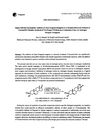
February 1994 in “Tetrahedron Letters” Adding cerium(III) chloride to Grignard reagents improves the making of compounds that could treat prostate issues and hair loss.
Diphenyl cresyl phosphate has low toxicity but can harm the liver, kidneys, adrenal glands, and testicles at high doses.
15 citations
,
July 2022 in “Nano Research” A cholesterol-free liposomal platform using protopanaxadiol effectively promotes hair growth and treats alopecia.
April 2019 in “Journal of Investigative Dermatology” Dihydrotestosterone (DHT) increases oil production in skin cells by activating mTOR, and mTOR inhibitors can reduce this effect.
 April 2016 in “Journal of Investigative Dermatology”
 FOL-005, a new substance, was found to reduce hair growth without toxicity when injected into skin, suggesting it could be used to treat excessive hair growth.
1 citations
,
May 2003 in “The journal of investigative dermatology/Journal of investigative dermatology” A hormone affects hair growth, certain molecules may prevent skin damage, a skin disease is linked to immune cells, glycerol helps skin hydration, and psoriasis treatment trials need improvement.
July 2024 in “International Journal of Molecular Sciences” The inhibitor DPP can promote hair growth.
![The Synthesis of (−)-4-Methyl-8-Chloro-Trans-1,2,3,4,4a,5,6,10b-Octahydrobenzo-[f]-Quinolin-3-One-[3-14C] (LY300502-14C) via a Circuitous Route](/images/assets/73bab8dc-bdf0-45e3-8ef7-73d0d4b93cb1/small/21074.jpg) 3 citations
,
October 1994 in “Journal of Labelled Compounds and Radiopharmaceuticals”
3 citations
,
October 1994 in “Journal of Labelled Compounds and Radiopharmaceuticals” Scientists made a carbon-14 labeled version of a drug with a 48% yield and over 99% purity.
April 2025 in “Journal of Biophotonics” PBM therapy improves mitochondrial function and promotes tissue regeneration in dental pulp stem cells.
 April 2016 in “Journal of Investigative Dermatology”
 A peptide known for reducing wrinkles also effectively inhibits an enzyme linked to skin inflammation and acne.
 July 2018 in “European Medical Journal”
 Fumaric acid esters, especially dimethylfumarate, improve psoriasis treatment.
 32 citations
,
December 2003 in “Planta”
32 citations
,
December 2003 in “Planta” Hypaphorine from a fungus changes the internal structure of Eucalyptus root hairs, stopping their growth.
December 2003 in “The journal of investigative dermatology/Journal of investigative dermatology” Glycerol may improve wound healing and prevent keloids, a device can measure itch intensity, male pattern baldness is highly heritable, and fumaric acid esters may work for psoriasis by causing cell death in T cells.
 January 2026 in “Food Science and Human Wellness”
 Flammulina velutipes polysaccharide helps the immune system fight tumors by activating certain pathways.
 2 citations
,
October 2001 in “Analytical Sciences”
2 citations
,
October 2001 in “Analytical Sciences” A new compound that could treat various androgen-related conditions was created and analyzed.
 January 2024 in “Pharmaceutical medicine”
 Most European physicians know the risks and safe use of Cyproterone acetate, but few remember receiving official safety communications.
Compounds in fluted pumpkin and African yam bean seed oils may help manage benign prostate hyperplasia.
December 1998 in “福井大学教育学部紀要 第4部 教育科学” HA-P5 effectively treats acne without causing side effects seen in other treatments.

IP-PA1 helps grow hair in mice and affects human cell growth-related genes differently than traditional hair growth treatments.
December 2020 in “Forum Dermatologicum” Intralesional triamcinolone acetonide can effectively limit the progression of GLPLS.
 1 citations
,
April 2017 in “Journal of Investigative Dermatology”
1 citations
,
April 2017 in “Journal of Investigative Dermatology” Topical glucocorticoids thin the skin and change collagen structure.
 2 citations
,
August 2020 in “Natural Product Communications”
2 citations
,
August 2020 in “Natural Product Communications” A mix of Platycladus orientalis leaf extract and alpha-terpineol helps mice grow hair by increasing growth factors and cell growth.
2 citations
,
May 2024 in “International Journal of Medical Arts” Diphenylcyclopropenone (DPCP) is more effective than anthralin for treating resistant alopecia areata.
8 citations
,
June 2024 in “Pharmaceutics” PEA-ENL improves skin delivery and reduces inflammation without side effects.
 February 2024 in “Biomedical journal of scientific & technical research”
 Inositol and phytic acid together increase hair growth and density.
 21 citations
,
April 2018 in “Journal of Dermatological Science”
21 citations
,
April 2018 in “Journal of Dermatological Science” Cilostazol helps hair grow by making hair root cells grow faster and changing growth factor levels.