
5α-reductase inhibitors effectively treat enlarged prostate and hair loss but require careful use due to possible side effects.
 35 citations
,
October 2004 in “Biology of Reproduction”
35 citations
,
October 2004 in “Biology of Reproduction” PNU157706 reduced rat sperm movement and fertility without affecting offspring health.
 1040 citations
,
October 1992 in “The New England Journal of Medicine”
1040 citations
,
October 1992 in “The New England Journal of Medicine” Finasteride effectively treats BPH but may increase sexual dysfunction risk.
June 2008 in “Drugs & therapy perspectives” Dutasteride effectively treats benign prostatic hyperplasia, improving symptoms and quality of life.
 30 citations
,
July 2001 in “BJUI”
30 citations
,
July 2001 in “BJUI” Combination therapy improves urinary flow and reduces residual urine, but needs better stent design.
1 citations
,
March 2022 in “British Journal of Clinical Pharmacology” 5α-reductase inhibitors do not increase anaemia risk compared to α-blockers in men with BPH.
 September 2022 in “PubMed”
 Entadfi, a mix of finasteride and tadalafil, is used for BPH.
 137 citations
,
March 2006 in “Cns Drug Reviews”
137 citations
,
March 2006 in “Cns Drug Reviews” Finasteride treats enlarged prostate and hair loss, but may cause side effects in some patients.
 44 citations
,
October 2010 in “BJUI”
44 citations
,
October 2010 in “BJUI” 5-α-reductase inhibitors reduce prostate cancer risk but may cause sexual dysfunction and don't affect high-grade tumor or death rates.
April 2025 in “Journal of Reproductive Healthcare and Medicine” The RISUG-PH™ implant effectively delivers finasteride to the prostate through the vas deferens.
4 citations
,
September 2002 in “Der Urologe” Combination therapy is more effective for prostate volumes over 60 ml.
22 citations
,
March 2003 in “Steroids” PM-9 and finasteride effectively inhibit the enzyme that converts testosterone to DHT.
78 citations
,
December 2008 in “The Journal of Sexual Medicine” 5-alpha reductase inhibitors can cause sexual side effects like erectile dysfunction, but the exact reasons are unclear.
46 citations
,
July 2010 in “Advances in Therapy” SPET-085 effectively inhibits an enzyme linked to prostate issues, similar to finasteride.
 November 2021 in “Pharmaceutical Sciences”
 New compounds were made and tested, with compound 6 showing potential for treating prostate-related diseases.
May 2026 in “RECIMA21 - Revista Científica Multidisciplinar - ISSN 2675-6218” Post-Finasteride Syndrome causes lasting sexual, mood, and metabolic issues, needing personalized treatment and better informed consent.
 April 2017 in “Actas urológicas españolas”
 5-alpha reductase inhibitors increase the risk of sexual dysfunction in patients treating enlarged prostate but not in those treating hair loss.
 5 citations
,
January 2001 in “Advances in protein chemistry”
5 citations
,
January 2001 in “Advances in protein chemistry” 5α-reductase inhibitors help treat disorders caused by DHT and have potential for future therapies.
38 citations
,
January 2005 in “PubMed” Dutasteride effectively treats enlarged prostate with manageable side effects.
 3 citations
,
January 2001 in “Cambridge University Press eBooks”
3 citations
,
January 2001 in “Cambridge University Press eBooks” Finasteride effectively treats hair loss and enlarged prostate in men, with mild side effects.
 108 citations
,
February 2008 in “The Journal of urology/The journal of urology”
108 citations
,
February 2008 in “The Journal of urology/The journal of urology” Inhibiting 5α-reductase can help reduce prostate cancer risk and improve treatment.
 22 citations
,
January 2001 in “Chemical & Pharmaceutical Bulletin”
22 citations
,
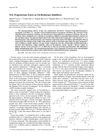
January 2001 in “Chemical & Pharmaceutical Bulletin” Some new progesterone derivatives are better at blocking testosterone conversion than a common drug.
 15 citations
,
January 2017 in “Experimental Neurology”
15 citations
,
January 2017 in “Experimental Neurology” Finasteride reduces movement issues in Parkinson's disease rats.
 July 2025 in “Saudi Journal of Medicine and Public Health”
 5α-reductase inhibitors effectively treat enlarged prostate and hair loss but require careful use due to possible side effects.
November 2011 in “Nature Clinical Practice Urology” 5ARIs effectively treat and manage BPH by reducing prostate size and symptoms.
 1 citations
,
November 2015 in “Cochrane library”
1 citations
,
November 2015 in “Cochrane library” 5-alpha-reductase inhibitors help treat urinary symptoms from an enlarged prostate.
6 citations
,
August 2021 in “Clinical Epidemiology” Men using 5-alpha reductase inhibitors for prostate issues may have a slightly higher risk of blood clots.
 1 citations
,
October 2020 in “Current Drug Discovery Technologies”
1 citations
,
October 2020 in “Current Drug Discovery Technologies” The research found that compound 6, a newly created steroid, is more effective at inhibiting 5α-reductase (an enzyme) than current treatments, suggesting it could be a better option for treating urinary tract symptoms in men.
July 2025 in “Journal of Investigative Dermatology” ![Effect of C-Ring Modifications in Benzo[c]quinolizin-3-ones, New Selective Inhibitors of Human 5α-Reductase 1](/images/assets/c687900f-ea40-4de1-8f0b-a5b818951b1c/small/15452.jpg) 12 citations
,
June 2001 in “Bioorganic & Medicinal Chemistry”
12 citations
,
June 2001 in “Bioorganic & Medicinal Chemistry” Changing the C-ring structure in certain compounds can make them better at blocking a specific human enzyme.