 165 citations
,
September 2003 in “Toxicology and applied pharmacology”
165 citations
,
September 2003 in “Toxicology and applied pharmacology” Blocking COX, especially COX-2, in the skin can reduce inflammation and pain and may help prevent skin cancer.
83 citations
,
October 2012 in “International Journal of Oncology” Wedelolactone selectively kills prostate cancer cells without harming normal cells.
78 citations
,
May 2012 in “Journal of Investigative Dermatology” A specific gene mutation causes woolly hair and hair loss.
78 citations
,
November 2005 in “Endocrinology” Hairless protein can block vitamin D activation in skin cells.
39 citations
,
December 2012 in “The American Journal of Human Genetics” Mutations in the SNRPE gene cause hereditary hair loss.
35 citations
,
October 2013 in “Journal of Dermatological Science” VEGF165 influences hair follicle cell growth and movement through VEGFR-2 activation.
 27 citations
,
August 2006 in “Laboratory Investigation”
27 citations
,
August 2006 in “Laboratory Investigation” SCF and ET-1 together significantly increase skin pigmentation and melanin production.
 10 citations
,
December 2021 in “Frontiers in cell and developmental biology”
10 citations
,
December 2021 in “Frontiers in cell and developmental biology” Glypican-1 is important for blood vessel growth in hair follicles and could help treat hair loss.
 9 citations
,
January 2015 in “Current problems in dermatology”
9 citations
,
January 2015 in “Current problems in dermatology” Scientists have found specific genes linked to different hair loss conditions, which could lead to new treatments.
 8 citations
,
February 2023 in “American Journal of Physiology-Cell Physiology”
8 citations
,
February 2023 in “American Journal of Physiology-Cell Physiology” Adiponectin and bradykinin play important roles in skin health and may help treat skin conditions.
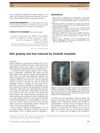 7 citations
,
December 2013 in “The Journal of Dermatology”
7 citations
,
December 2013 in “The Journal of Dermatology” A woman's hair turned gray and fell out after starting a cancer drug called imatinib mesylate.
2 citations
,
June 2025 in “Preprints.org” Targeting amphiregulin may improve treatment for fibrotic diseases and cancer.
2 citations
,
February 2024 in “Toxins” Bee venom can help stem cells promote hair growth.
 May 2025 in “Frontiers in Genetics”
 A new genetic variant in the LIPH gene causes hair growth issues in a Chinese patient.
 January 2018 in “Elsevier eBooks”
 The document explains how male reproductive hormones work and affect the body.
 August 2025 in “Journal of Pure and Applied Microbiology”
 Bee venom shows promise for treating cancer, infections, inflammation, and hair loss.
 65 citations
,
August 2007 in “Experimental Dermatology”
65 citations
,
August 2007 in “Experimental Dermatology” Human hair follicles can make and process prostaglandins, which may affect hair growth.
 29 citations
,
January 2016 in “Annals of dermatology/Annals of Dermatology”
29 citations
,
January 2016 in “Annals of dermatology/Annals of Dermatology” Arachidonic acid helps hair grow by increasing growth factors and improving follicle health.
November 2025 in “Journal of Investigative Dermatology” TEDAR is crucial for skin cell differentiation and barrier formation.
29 citations
,
December 2019 in “Expert review of clinical pharmacology” JAK inhibitors are a promising new treatment for hair loss and nail problems in alopecia areata.
 4 citations
,
January 2023 in “The journal of allergy and clinical immunology/Journal of allergy and clinical immunology/The journal of allergy and clinical immunology”
4 citations
,
January 2023 in “The journal of allergy and clinical immunology/Journal of allergy and clinical immunology/The journal of allergy and clinical immunology” Biologics, especially Dupilumab, are effective and safe for treating severe childhood eczema.
 September 2024 in “Cureus”
 Early detection and targeted management are crucial for better outcomes in systemic lupus erythematosus.
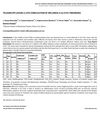
Hair loss can happen after severe H1N1 flu but usually grows back in 4 months.
101 citations
,
November 2019 in “The Plant Cell” AtZP1 protein stops root hair growth in plants by blocking certain genes.
59 citations
,
January 2021 in “Genes” Twelve key genes may improve cashmere production by influencing hair follicle cycles.
49 citations
,
November 2021 in “Annual review of pathology” Lysophospholipids like LPA and S1P are important for hair growth, immune responses, and vascular development, and could be targeted for treating diseases.
 46 citations
,
August 2003 in “The journal of investigative dermatology/Journal of investigative dermatology”
46 citations
,
August 2003 in “The journal of investigative dermatology/Journal of investigative dermatology” Phosphatidic acid may help hair grow by affecting cell growth pathways.
30 citations
,
October 2020 in “Frontiers in Plant Science” Combined arsenic and low oxygen stress alters root growth to help plants absorb nutrients.
 25 citations
,
June 2018 in “Journal of The American Academy of Dermatology”
25 citations
,
June 2018 in “Journal of The American Academy of Dermatology” Genes linked to fibrosis are more active in people with central centrifugal cicatricial alopecia.
 24 citations
,
December 2018 in “Life sciences”
24 citations
,
December 2018 in “Life sciences” Lysophosphatidic acid is important for skin health and disease, and could be a target for new skin disorder treatments.