 15 citations
,
August 1998 in “Australasian journal of dermatology”
15 citations
,
August 1998 in “Australasian journal of dermatology” The document concludes that various cosmetic and drug treatments are available for hirsutism, and some new drugs show promise.
1 citations
,
June 2004 in “Sexuality, reproduction & menopause” Eflornithine cream effectively reduces facial hair in women with hirsutism.
 March 2020 in “Journal of Laser Applications”
 Photobiomodulation therapy significantly increases hair density and growth for androgenic alopecia, but more research is needed to confirm safety.
 January 2024 in “Journal of tissue engineering”
 Sunlight exposure damages hair follicles, but certain stem cell-derived particles can reduce this damage and help with hair regeneration.
 1 citations
,
May 2004 in “Journal der Deutschen Dermatologischen Gesellschaft”
1 citations
,
May 2004 in “Journal der Deutschen Dermatologischen Gesellschaft” The meeting presented new findings on hair stem cells, pigmentation, genetics, and modern hair treatment techniques.
 1 citations
,
June 2025 in “Preprints.org”
1 citations
,
June 2025 in “Preprints.org” Climate change harms skin health and reduces the effectiveness of aesthetic treatments.
 June 2024 in “International Journal of Dermatology”
 Experienced professionals can fix bad scalp micropigmentation with good results.
36 citations
,
May 2005 in “BMC dermatology” DPCP is effective for treating severe alopecia areata, but relapse is common.
7 citations
,
January 2005 in “Dermatology” A new method for studying hair follicles is easier and more precise, useful for hair loss and cancer treatment research.
November 2024 in “Journal of Investigative Dermatology” Blocking the JAK/STAT pathway may help reduce skin sensitivity in Xeroderma pigmentosum.
 April 2025 in “International Journal of Cosmetic Science”
 A new hair perming method avoids damage and lasts longer than traditional methods.
November 2022 in “Journal of Cosmetic Dermatology” The combined therapy significantly increased hair density and was safe for treating hair loss.
July 2025 in “Journal of Investigative Dermatology” 12 citations
,
May 2018 in “Journal of Cosmetic and Laser Therapy” The Er:YAG laser is an effective and safe treatment for acne keloidalis nuchae.
January 2025 in “Institutional Repository of Klaipeda State University of Applied Sciences” Waxing and sugaring affect skin and hair differently in the bikini area.

Hair turning darker can be a sign of skin cancer.
 April 2018 in “Radiotherapy and Oncology”
 Prostaglandin helps regenerate hair follicles after radiation damage.
July 2025 in “Dermatologic Surgery”  June 2026 in “Dermatology and Therapy”
 Combining multiple ingredients is the most effective treatment for hyperpigmentation.
PMEE may help reverse greying hair by boosting melanin production.
20 citations
,
September 2022 in “Journal of Biomedical Optics” PBM helps improve cell survival in 3D tissue engineering.
 14 citations
,
December 2013 in “Anais Brasileiros De Dermatologia”
14 citations
,
December 2013 in “Anais Brasileiros De Dermatologia” A woman with long-term scalp psoriasis developed rare scarring hair loss that didn't fully respond to treatments.
 June 2021 in “Journal of Cosmetic Dermatology”
 Laser treatment shows promise for hair growth, but needs further research.
 April 2023 in “The journal of investigative dermatology/Journal of investigative dermatology”
 Prostaglandin E2 helps prevent hair loss from radiotherapy by protecting hair growth cells and aiding self-repair.
 1 citations
,
March 2024 in “Ophthalmic Plastic and Reconstructive Surgery”
1 citations
,
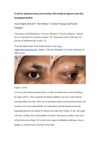
March 2024 in “Ophthalmic Plastic and Reconstructive Surgery” A pilomatrixoma in the eyebrow can cause hair loss and skin lightening.
6 citations
,
January 2015 in “Indian Dermatology Online Journal” PEODDN is a rare skin disorder with limited treatment options, best treated with laser therapy.
2 citations
,
June 2018 in “Dermatologic Surgery” November 2021 in “Natural product research” Certain polyphenols may help treat skin pigmentation disorders.
13 citations
,
May 2025 in “Journal of Cosmetic Dermatology” Adipose mesenchymal stem cell-derived exosomes are as effective as platelet-rich plasma for improving photoaged skin and are a good option for those who prefer not to use needles.
18 citations
,
April 1989 in “Clinics in Dermatology” The argon gas-based cryotherapy effectively reduced keloid scars but caused some hypopigmentation and had a recurrence rate, especially in Afro-American patients.