12 citations
,
November 2004 in “Photochemistry and Photobiology” Superoxide dismutase (SOD) can prevent hair graying in mice.
September 2019 in “Journal of Investigative Dermatology” PCE-DP brightens skin and promotes hair growth by enhancing cell growth and reducing melanin uptake.
June 1998 in “Pathophysiology” Selenium is crucial for health, but both deficiency and excess can cause problems.
 4 citations
,
July 2018 in “International Journal of Research -GRANTHAALAYAH”
4 citations
,
July 2018 in “International Journal of Research -GRANTHAALAYAH” Antioxidants, like catalase, are crucial for keeping hair follicles alive.
20 citations
,
October 1995 in “PubMed” 16 citations
,
October 2009 in “Xenobiotica” The tested hair dye ingredients do not form harmful oxidized metabolites in the liver.
 August 2022 in “International Journal of Health Sciences (IJHS) (En línea)”
 Oxidative stress is important in causing alopecia areata.
December 2021 in “Egyptian Journal of Dermatology and Venereology” Oxidative stress may worsen female pattern hair loss and could help track the disease and treatment.
March 2025 in “Digital Library of Theses and Dissertations (Universidade de São Paulo)” Ferulic acid and resveratrol protect hair from chemical and sun damage.
5 citations
,
June 2024 in “Free Radical Biology and Medicine” Maintaining natural oxygen levels is crucial for healthy skin cells and effective treatments.
 86 citations
,
June 2017 in “Anais Brasileiros de Dermatologia”
86 citations
,
June 2017 in “Anais Brasileiros de Dermatologia” Antioxidants can benefit skin health but should be used carefully to avoid negative effects.
 3 citations
,
November 2017 in “International Journal of Pharmacy and Pharmaceutical Sciences” 52 citations
,
May 2011 in “APOPTOSIS”
3 citations
,
November 2017 in “International Journal of Pharmacy and Pharmaceutical Sciences” 52 citations
,
May 2011 in “APOPTOSIS” Hydroxyl radicals cause hair follicle cell death during chemotherapy by reducing Bcl-2 protein levels.
January 2005 in “Industrial Catalysis” The process effectively regenerates the Pd/C catalyst for finasteride synthesis.
 March 2026 in “Quality in Sport”
 Red light therapy can boost athletic performance and aid healing.
 October 2023 in “Research Square (Research Square)”
 Oxidative stress is linked to mild patchy alopecia areata.
 February 2023 in “Frontiers in Bioengineering and Biotechnology”
 Optical imaging and light therapy show promise for diagnosing and treating liver injury caused by surgery.
 12 citations
,
May 2015 in “Molecular Medicine Reports”
12 citations
,
May 2015 in “Molecular Medicine Reports” Troxerutin helps protect skin cells from oxidative stress and may be good for treating hair loss.
 October 2022 in “Journal of ophthalmology”
 Light therapy may improve eye conditions by stimulating cell activity and increasing oxygen availability.
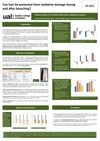 September 2018 in “University of the Arts London Research Online (University of the Arts London)”
 L-arginine, hydrolysed keratin, and cystine-silanol copolymer can help protect hair from damage during and after bleaching.
 August 2022 in “Turkish journal of veterinary research”
 Demodicosis causes significant oxidative stress in dogs.
 February 2008 in “Experimental dermatology”
 Oxidative stress plays a significant role in vitiligo, and both skin and non-skin cells may be involved.
14 citations
,
September 2016 in “Journal of Photochemistry and Photobiology B Biology” UV exposure damages hair, increasing thiols and altering protein structure.
62 citations
,
July 2013 in “American Journal of Clinical Dermatology” Alopecia areata patients have higher oxidative stress and lower antioxidant levels.
January 2014 in “한국미용학회지” UV-A radiation significantly damages semi-permanent dyed hair.
 75 citations
,
January 2009 in “International journal of trichology”
75 citations
,
January 2009 in “International journal of trichology” Hair grays due to oxidative stress and fewer functioning melanocytes.
 2 citations
,
April 2016 in “Medical Hypotheses”
2 citations
,
April 2016 in “Medical Hypotheses” Antioxidants might help prevent pressure ulcers, but more research is needed to find effective ones.
 September 1997 in “JEADV. Journal of the European Academy of Dermatology and Venereology/Journal of the European Academy of Dermatology and Venereology”
 Alopecia patients have a less active liver monoxygenase system, which can be treated with photochemotherapy and system inducers.
 1 citations
,
January 2017 in “Chinese Journal of Organic Chemistry”
1 citations
,
January 2017 in “Chinese Journal of Organic Chemistry” Using K2S2O8 as an oxidizing agent in a specific condition, we can make Finasteride with 96.3% yield and 99.6% purity. This method is also good for other compounds and is environmentally friendly.
July 2026 in “Materials Today Bio” The MQ complex helps heal melanoma wounds by controlling ROS levels with light.