 December 2019 in “International journal of engineering applied science and technology”
 Tridax procumbens, a weed, has various medicinal properties including wound healing and antibacterial effects.
 January 2024 in “Authorea (Authorea)”
 Using laccase to add poly(tyrosine) to wool makes it less likely to shrink and stronger.
 December 2024 in “Biomedical & Pharmacology Journal”
 Hair Tonic A, with white tea extract, is better for improving hair health.
19 citations
,
September 2019 in “British Journal of Dermatology” FOL-005 peptide can reduce human hair growth by lowering FGF7 levels.
 1 citations
,
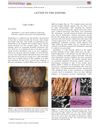
February 2018 in “Australasian journal of dermatology”
1 citations
,
February 2018 in “Australasian journal of dermatology” Advanced imaging techniques are crucial for accurately diagnosing Monilethrix, a rare hair disorder.
 26 citations
,
January 2016 in “Annals of Dermatology”
26 citations
,
January 2016 in “Annals of Dermatology” Ecklonia cava polyphenols help increase human hair growth and reduce hair loss.
 February 2023 in “Asian journal of pharmaceutical research and development”
 Flavonoids in Iraqi marshland plants have potential health benefits like antioxidant and anti-inflammatory effects.
6 citations
,
July 2025 in “Cancer Medicine” ZSYY001 is safe, well-tolerated, and shows promise for treating advanced solid tumors.
 July 2024 in “Jurnal Pengabdian Masyarakat Putri Hijau”
 Students showed strong interest in using meniran leaves for hair growth pomade.
5 citations
,
November 2023 in “Pharmacognosy Reviews/Bioinformatics Trends/Pharmacognosy review” Impatiens plants have potential health benefits but need more research.
Procyanidins and phosphatidic acids help promote hair growth.
3 citations
,
April 2012 in “Current Research in Pharmaceutical Sciences” Fenugreek has many health benefits, including antimicrobial and anti-inflammatory effects.
 January 2024 in “Deleted Journal”
 Thuja plants have medicinal properties and potential for developing new therapies.
November 1968 in “Journal of the American Pharmaceutical Association” October 2025 in “Coloration Technology” Delipidised wool is brighter, dyes better, and is more eco-friendly.
 July 2024 in “New Phytologist”
 PDF2 senses specific lipids and regulates root growth and gene expression in Arabidopsis.
 15 citations
,
May 2020 in “BMC complementary medicine and therapies”
15 citations
,
May 2020 in “BMC complementary medicine and therapies” Polygonum multiflorum extract helps hair grow longer and fights the effects of hormones that cause hair loss.
2 citations
,
June 2023 in “Current Nutrition & Food Science” Hinokiflavone may help treat cancers and other health issues.
June 2025 in “Pharmacognosy Research” Dillenia indica Linn. has potential health benefits for various ailments due to its rich phytochemicals.
1 citations
,
January 2023 in “Chemical Engineering Journal”  9 citations
,
January 1966 in “Economic botany”
9 citations
,
January 1966 in “Economic botany” Plant-based ingredients in hair care are being replaced by synthetic alternatives.
July 2024 in “Journal of Investigative Dermatology” PH-762 shows promise in treating skin cancer by effectively targeting and silencing PD-1 in tumors with minimal side effects.
 January 2022 in “Acta botanica Caucasica”
 Turkish herbal cosmetics use various plants for hair care, skincare, and other personal hygiene purposes.
 January 2018 in “Indian Dermatology Online Journal”
 Trichoscopy can help tell the difference between artificial hair fibers and other scalp artifacts.
 3 citations
,
December 2021 in “Journal of medicinal plants”
3 citations
,
December 2021 in “Journal of medicinal plants” Halocnemum strobilaceum has potential health benefits and uses, including anticancer and antimicrobial properties.
 1 citations
,
October 2024 in “Journal of King Saud University - Science”
1 citations
,
October 2024 in “Journal of King Saud University - Science” Tridax procumbens extracts may help treat cancer due to their strong anticancer and antioxidant properties.
3 citations
,
February 2002 Low phosphorus increases root hair growth in plants, partly independent of ethylene.
 165 citations
,
February 2014 in “Phytotherapy Research”
165 citations
,
February 2014 in “Phytotherapy Research” Myrtle has various health benefits and potential for medicine development.
 February 2026 in “Inflammopharmacology”
 Pistacia atlantica leaf ointment effectively heals wounds like phenytoin, with added antibacterial and anti-inflammatory benefits.
54 citations
,
June 2008 in “Planta Medica” Hinokitiol may help treat hair loss by reducing inflammation and promoting hair growth.