27 citations
,
April 2021 in “Phytotherapy Research” Curcumin may be an effective and safer anticancer agent by regulating key cell pathways.
 26 citations
,
March 2015 in “Phytotherapy Research”
26 citations
,
March 2015 in “Phytotherapy Research” Forsythiaside-A, a natural substance, can protect against hair loss and is more effective than current treatments, potentially making it a good option for hair loss treatment.
 23 citations
,
November 2015 in “Phytotherapy Research”
23 citations
,
November 2015 in “Phytotherapy Research” Certain herbal compounds, especially from bitter melon, can inhibit cancer growth and promote hair growth by blocking PAK1.
18 citations
,
April 2024 in “Phytotherapy Research” Plant-based compounds show promise for treating neurodegenerative diseases but need more research.
5 citations
,
October 2023 in “Phytotherapy Research” Dauricine may help treat certain brain cancers by reducing cancer cell growth and promoting cell death.
 3 citations
,
March 2016 in “Phytotherapy Research”
3 citations
,
March 2016 in “Phytotherapy Research” The new compound was more effective than finasteride in reducing markers of hair loss and prostate issues in cell tests.
 2 citations
,
July 2023 in “Phytotherapy Research”
2 citations
,
July 2023 in “Phytotherapy Research” Serenoa repens is mostly safe but has some risks, especially at high doses or when used with other products for over two weeks.
 2 citations
,
November 2019 in “Phytotherapy Research”
2 citations
,
November 2019 in “Phytotherapy Research” Pea sprout extract is safe and effectively reduces hair loss.
 2 citations
,
March 2013 in “Phytotherapy Research”
2 citations
,
March 2013 in “Phytotherapy Research” Ascorbigen increases hair cell growth in a lab setting but does not prevent hair loss from chemotherapy in mice.
April 2026 in “Phytotherapy Research” Licorice component glycyrrhizic acid may reduce skin side effects from cancer treatment.
February 2020 in “Phytotherapy Research” 90 citations
,
July 2009 in “PTR. Phytotherapy research/Phytotherapy research” Spearmint tea may reduce testosterone and self-reported hair growth in women with PCOS.
32 citations
,
February 2020 in “PTR. Phytotherapy research/Phytotherapy research” Rosemary extract may boost the immune system, but more research on humans is needed to confirm this.
26 citations
,
June 2001 in “PTR. Phytotherapy research/Phytotherapy research” Procyanidin B-2 lotion might help men grow thicker hair without side effects.
23 citations
,
March 2017 in “PTR. Phytotherapy research/Phytotherapy research” Butin is effective in treating vitiligo in mice.
20 citations
,
December 2013 in “PTR. Phytotherapy research/Phytotherapy research” Ginsenoside Rg3 may help hair growth by increasing a growth-related protein in hair cells.
15 citations
,
September 2012 in “PTR. Phytotherapy research/Phytotherapy research” Ginsenosides Rb₁ and Rd may help prevent hair loss by promoting hair cell growth.

Shock wave therapy improved muscle function and movement in children with spastic cerebral palsy.
 May 2015 in “Journal of The American Academy of Dermatology”
 Minoxidil response testing helps predict hair growth success.
 1 citations
,
April 2025 in “Revista científica FACS.”
1 citations
,
April 2025 in “Revista científica FACS.” Ingredientes naturais podem ajudar a tratar a perda de cabelo de forma segura.
 15 citations
,
September 2018 in “Indian Research Journal of Pharmacy and Science”
15 citations
,
September 2018 in “Indian Research Journal of Pharmacy and Science” Aromatherapy uses essential oils to improve mood and well-being.
 July 2019 in “Acta horticulturae”
 Horticultural therapy helped cancer patients feel hopeful and positive about their disease experience.
 85 citations
,
October 2012 in “Dermatologic Clinics”
85 citations
,
October 2012 in “Dermatologic Clinics” Alopecia Areata is an autoimmune condition often starting before age 20, with varied treatment success and a need for personalized treatment plans.
 10 citations
,
October 2019 in “Acta Pharmaceutica”
10 citations
,
October 2019 in “Acta Pharmaceutica” Medicinal plants are used to treat skin conditions, but more evidence is needed before recommending them widely.
 December 2024 in “Plant Science Today”
 Phyla nodiflora contains compounds that may help treat diabetes, alopecia, cancer, and anti-diuresis.
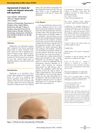 3 citations
,
December 2021 in “Dermatology reports”
3 citations
,
December 2021 in “Dermatology reports” Dupilumab can improve both atopic dermatitis and alopecia universalis.
Phyla nodiflora contains compounds that may help treat diabetes, hair loss, cancer, and fluid retention.
 January 2025 in “E3S Web of Conferences”
 Lasers are effective for hair removal, skin rejuvenation, and acne treatment in dermatology.
 October 2022 in “Journal of Pharmaceutical Negative Results”
 Photobiomodulation therapy shows promise in treating various health conditions by using specific light wavelengths.
 December 2025 in “INSTITUTE OF MOLECULAR BIOLOGY & BIOTECHNOLOGIES TRANSACTIONS”
 Asteraceae plants are valuable in traditional medicine for treating various diseases.