47 citations
,
September 2012 in “Human molecular genetics online/Human molecular genetics” Folliculin deficiency causes problems with cell division and positioning due to disrupted RhoA signaling and interaction with p0071.
20 citations
,
August 1997 in “PubMed” Increased K+ permeability alone may not promote hair growth.
28 citations
,
January 2005 in “Photochemistry and Photobiology” Protein kinase C epsilon may increase skin cancer risk by affecting nearby cells.
7 citations
,
February 2024 in “ACS Applied Materials & Interfaces” A new light-activated treatment speeds up healing of infected wounds without antibiotics.
6 citations
,
October 2024 in “International Journal of Dermatology” Proinflammatory fibroblasts and vascular endothelial cells are key in keloid development.
1 citations
,
February 2026 in “ACS Omega” Self-powered nanogenerators could revolutionize healthcare by enabling devices that operate without external power.
 1 citations
,
May 2023 in “European Journal of Human Genetics”
1 citations
,
May 2023 in “European Journal of Human Genetics” Rare ULBP3 gene changes may raise the risk of Alopecia areata, a certain FAS gene deletion could cause a dysfunctional protein in an immune disorder, and having one copy of a specific genetic deletion is okay, but two copies cause sickle cell disease.
February 2026 in “Advanced Science” TTNPB helps turn stem cells into neural stem cells, improving depression-like behaviors in rats.
 February 2025 in “International Urology and Nephrology”
 Peripheral treatments showed some improvement in sexual dysfunction, but central symptoms remain challenging.
 March 2024 in “EMBO molecular medicine”
 Antiviral drugs, especially daclatasvir, may be a new treatment for a rare skin disease, improving survival and reducing symptoms in mice.
October 2023 in “Biomimetics” The new hair-dyeing shampoo is safe, colors hair evenly, and strengthens it.

Skin stem cells in hair follicles are important for touch sensation.

Hair follicle stem cells are crucial for touch sensation and proper nerve structure in mice.
 January 2022 in “Biomedical Reports”
 Inaudible sound at 30 kHz can boost hair growth and decrease hair loss by promoting cell growth and reducing cell death in hair follicles.
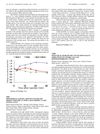 April 2010 in “The Journal of Urology”
 Human prostate cells produce more WISP1/CCN4 when there's not enough oxygen.
5 citations
,
April 2024 in “Science China Materials” S1PR1 helps control inflammation in blood vessel cells by affecting gene activity differently in various cell types and locations.
Lhx2 is essential for effective Sonic Hedgehog signaling in early retinal development.
June 2026 in “Chemical Engineering Journal” 324 citations
,
May 2002 in “Oncogene”  6 citations
,
January 2024 in “ACS Medicinal Chemistry Letters”
6 citations
,
January 2024 in “ACS Medicinal Chemistry Letters” Cepharanthine and berbamine may affect SK channels, influencing their therapeutic effects.
7 citations
,
September 2003 in “Journal of Investigative Dermatology” PAR-1 may play a role in hair growth regulation in human hair follicles.
January 1969 in “Santes Creus: Boletín del Archivo Bibliográfico de Santes Creus” Planarians regenerate using conserved gene expression mechanisms, with runt-1 crucial for cell type specification.
3 citations
,
July 2021 in “bioRxiv (Cold Spring Harbor Laboratory)” Zebrafish regenerate sensory hair cells through three phases, offering insights for potential mammal applications.
 12 citations
,
August 2022 in “Stem cell reviews and reports”
12 citations
,
August 2022 in “Stem cell reviews and reports” Increasing PBX1 reduces aging and cell death in hair follicle stem cells by boosting SIRT1 and lowering PARP1 activity.
 April 2018 in “The journal of investigative dermatology/Journal of investigative dermatology”
 GATA6 is important for maintaining and differentiating cells in a key area of human skin.
45 citations
,
March 1997 in “Journal of Investigative Dermatology” 40 citations
,
July 2008 in “PROTEOMICS” A new model helps study acne and test treatments.
32 citations
,
May 2018 in “The Plant Cell” ERULUS is crucial for root hair growth by controlling calcium levels.
 November 2021 in “International journal of research - granthaalayah”
 The document suggests that human hair has electrical charges because of a gap in nerve cell coverage that affects electromagnetic radiation.