1 citations
,
June 2011 in “Journal of Dermatological Case Reports” Shaving and applying erythromycin cream and clotrimazole powder effectively treated trichomycosis axillaris.
 3 citations
,
June 1983 in “Archives of Dermatology”
3 citations
,
June 1983 in “Archives of Dermatology” Aminopterin effectively improves skin conditions but has toxic side effects that need careful monitoring.
 21 citations
,
January 2005 in “Pediatric Dermatology”
21 citations
,
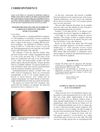
January 2005 in “Pediatric Dermatology” An 8-year-old girl with vitiligo developed extra hair growth on her knee after using tacrolimus ointment.
Acitretin improved monilethrix symptoms temporarily, but they returned after stopping treatment.
 April 2018 in “Journal of Investigative Dermatology”
 A new peptide, FOL-005, may help treat excessive hair growth by reducing a hair growth promoter, FGF7.
 May 2015 in “Journal of The American Academy of Dermatology”
 Mycophenolate mofetil may improve symptoms and stop hair loss in Lichen planopilaris, but more research is needed.
3 citations
,
May 2007 in “Pediatrics in review” Ringworm of the body and scalp is treated with antifungal creams and oral medication, and children with scalp ringworm don't need to miss school.
May 2005 in “Molecular Carcinogenesis” mrp/plf-mRNA can indicate tumor-promoting effects in skin.
 4 citations
,
December 2013 in “International Journal of Dermatology”
4 citations
,
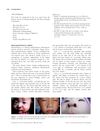
December 2013 in “International Journal of Dermatology” Three children with nasal fungal infections were successfully treated with potassium iodide and sometimes itraconazole.
13 citations
,
January 2018 in “International Journal of Trichology” Intralesional triamcinolone injections can effectively stop frontal fibrosing alopecia with minimal side effects.
3 citations
,
August 2023 in “Journal of Cutaneous Medicine and Surgery” Topical Flutamide 1% gel effectively and safely reduces acne.
The document describes a rare case of IFAP syndrome, a genetic condition with symptoms of hair loss, light sensitivity, and scaly skin.
December 2015 in “OPAL (Open@LaTrobe) (La Trobe University)” QLT0267 stops hair follicle cell growth and movement.
3 citations
,
May 2019 in “Journal of Cosmetic Dermatology” Pro-Ile could be used in cosmetics to improve skin, hair growth, and healing.
 1 citations
,
May 2021 in “Annals of the rheumatic diseases”
1 citations
,
May 2021 in “Annals of the rheumatic diseases” Tofacitinib is a promising treatment for children with rheumatic diseases.
April 1946 in “Archives of Dermatology” One child resisted treatment, while the other was successfully treated for scalp ringworm.
14 citations
,
August 2015 in “Endocrinology” The antibody 005-C04 blocks prolactin receptors, causing reversible infertility, impaired lactation, and hair regrowth in female mice.
 8 citations
,
March 2018 in “Journal of Drug Delivery Science and Technology”
8 citations
,
March 2018 in “Journal of Drug Delivery Science and Technology” Itraconazole-loaded nanoparticles are more effective and less toxic for treating fungal infections than conventional oral itraconazole.
32 citations
,
August 1996 in “Journal of Investigative Dermatology” Griseofulvin is still the best treatment for tinea capitis.
 1 citations
,
January 2023 in “Research Square (Research Square)”
1 citations
,
January 2023 in “Research Square (Research Square)” A woman's vitiligo improved with tofacitinib treatment, and her skin color remained even after stopping the medication, but there are concerns about cancer risk.
 49 citations
,
May 2018 in “Journal of the American Academy of Dermatology”
49 citations
,
May 2018 in “Journal of the American Academy of Dermatology” Applying 2% tofacitinib cream helped some children with severe hair loss grow back hair.
January 2015 in “프로그램북(구 초록집)” Epiduo® is an effective first-line acne treatment that reduces inflammation and combats antibiotic resistance.
2 citations
,
May 2024 in “International Journal of Medical Arts” Diphenylcyclopropenone (DPCP) is more effective than anthralin for treating resistant alopecia areata.
 2 citations
,
May 2012 in “Indian drugs”
2 citations
,
May 2012 in “Indian drugs” Finasteride, a hair loss treatment, works better and is more stable when delivered through specially prepared gels, leading to increased hair growth.
1 citations
,
July 2024 in “Journal of Investigative Dermatology” VYN201 shows promise as a safe and effective treatment for non-segmental vitiligo.
 January 2025 in “Letters in Drug Design & Discovery”
 Ozonated olive oil may effectively treat fungal skin infections.
 December 2025 in “Journal of Pakistan Association of Dermatologists”
 Stopping afatinib improved a rare scalp condition in a patient.
9 citations
,
September 1977 in “Journal of Small Animal Practice” Mange in guinea pigs can be cured with gamma benzene hexachloride washes.
 December 2025 in “PubMed”
 The minoxidil and finasteride foam remains stable and effective for 180 days at room temperature.