 1 citations
,
May 2023 in “Research journal of pharmacognosy and phytochemistry”
1 citations
,
May 2023 in “Research journal of pharmacognosy and phytochemistry” Herbal hair serum with natural ingredients can effectively treat common hair problems.
August 2017 in “Journal of the Dermatology Nurses' Association” Latisse (bimatoprost 0.03%) is widely used in dermatology but the document doesn't give detailed evidence or numbers.
13 citations
,
July 2024 in “Medicina” Lasers can trigger skin reactions, especially in darker skin, and more research is needed to improve treatments.
5 citations
,
December 2023 in “Materials” Organic and biogenic nanocarriers can improve drug delivery but face challenges like consistency and safety.
1 citations
,
September 2024 in “Cosmetics” Permanent makeup fades over time and needs reapplication.
 April 2026 in “Pharmaceutics”
 Cellulose-based skin dressings show promise for wound healing but need more research and clinical trials.
Machine learning improves DNA predictions for eye and hair color, but challenges remain for skin tone and facial features.
November 2025 in “JPRAS Open” Exosome therapy could help with hair loss, but more research and regulation are needed.
17 citations
,
July 2018 in “Environmental and Experimental Botany” Silencing NtNCED3-2 gene in tobacco reduces drought tolerance and impairs growth.
 30 citations
,
July 2018 in “Scientific Reports”
30 citations
,
July 2018 in “Scientific Reports” Blocking certain fat production can reverse skin inflammation and hair loss.
 256 citations
,
October 2013 in “Nature Communications”
256 citations
,
October 2013 in “Nature Communications” Bioengineered lacrimal glands can restore tear production and protect eyes.
 53 citations
,
May 1986 in “Clinics in endocrinology and metabolism”
53 citations
,
May 1986 in “Clinics in endocrinology and metabolism” Androgens like testosterone affect hair growth and oil production differently across body parts and individuals.
 7 citations
,
February 2019 in “International Journal of Dermatology”
7 citations
,
February 2019 in “International Journal of Dermatology” Gray hair is caused by reduced melanin production or transfer issues, linked to aging and possibly health conditions, with treatments focusing on color camouflage.
 91 citations
,
March 2011 in “Stem Cell Reviews and Reports”
91 citations
,
March 2011 in “Stem Cell Reviews and Reports” Human epidermal neural crest stem cells can become bone and skin pigment cells, making them useful for therapies.
 29 citations
,
January 2013 in “International Journal of Medical Sciences”
29 citations
,
January 2013 in “International Journal of Medical Sciences” Wnt10b helps hair follicle cells mature and produce pigment.
 27 citations
,
August 2006 in “Laboratory Investigation”
27 citations
,
August 2006 in “Laboratory Investigation” SCF and ET-1 together significantly increase skin pigmentation and melanin production.
 12 citations
,
September 2018 in “International Journal of Cosmetic Science”
12 citations
,
September 2018 in “International Journal of Cosmetic Science” Palmitoyl tetrapeptide-20 may help reduce hair greying and increase melanin production.
 8 citations
,
January 2018 in “European journal of dermatology/EJD. European journal of dermatology”
8 citations
,
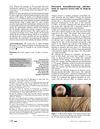
January 2018 in “European journal of dermatology/EJD. European journal of dermatology” The girl's regrown brown hair had less of certain pigments than her original black hair.
 8 citations
,
January 2017 in “Stem Cells International”
8 citations
,
January 2017 in “Stem Cells International” A protein called sFRP4 from skin cells stops the development of pigment-producing cells in hair.
Avicennia Marina extract and avicequinone C can reduce hair loss hormone production and increase hair growth factors, suggesting they could be used to treat androgenic alopecia.
 51 citations
,
February 2006 in “Clinics in Dermatology”
51 citations
,
February 2006 in “Clinics in Dermatology” Pregnant women often experience skin and hair changes, with over half getting stretch marks and pigment changes, and should be cautious with cosmetic procedures due to potential risks.
 48 citations
,
April 2010 in “Journal of the European Academy of Dermatology and Venereology”
48 citations
,
April 2010 in “Journal of the European Academy of Dermatology and Venereology” Men are more likely to get infectious skin diseases, while women are more prone to autoimmune and pigment-related skin conditions, influenced by biological and environmental factors.
 2 citations
,
January 2024 in “Journal of Pharmacognosy and Phytochemistry”
2 citations
,
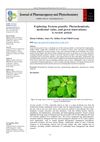
January 2024 in “Journal of Pharmacognosy and Phytochemistry” Teak has valuable compounds for medicine, cosmetics, and industry, with potential in cancer treatment and biodiesel production.
 2 citations
,
October 2004 in “Organic Process Research & Development”
2 citations
,
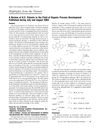
October 2004 in “Organic Process Research & Development” The document reviews 20 U.S. patents from July and August 2004 about new drug forms, cancer treatments, aroma chemicals, statin drugs, and various chemical production methods.
 3 citations
,
November 2023 in “Frontiers in cell and developmental biology”
3 citations
,
November 2023 in “Frontiers in cell and developmental biology” Melanocytes are important for skin and hair color and protect the skin from UV damage.
56 citations
,
December 2010 in “The journal of investigative dermatology/Journal of investigative dermatology” Hair follicle cells age faster and lose pigment due to less catalase, causing hair to turn gray.
20 citations
,
December 2013 in “PubMed” Quercetin boosts melanin production in mouse hair follicles.
February 2005 in “CRC Press eBooks” Hair color is due to active pigment cells in hair during growth.
31 citations
,
November 2015 in “PloS one” Reducing Tyrosinase prevents mature color pigment cells from forming in mouse hair.
 5 citations
,
May 2017 in “Journal of the European Academy of Dermatology and Venereology”
5 citations
,
May 2017 in “Journal of the European Academy of Dermatology and Venereology” The study found no significant difference in stress hormone levels between people with alopecia areata and healthy individuals, suggesting that the disease is not caused by an overactive stress response system.