 May 2026 in “Iconic Research and Engineering Journals”
 Polyherbal hair oils effectively promote hair growth and scalp health.
 May 2026 in “International Journal of Drug Delivery Technology”
 Herbs like hibiscus, onion, and aloe vera may help hair growth and are good alternatives to conventional treatments.
 March 2026 in “Aging Research”
 Personalized anti-aging strategies are important, considering genetics and lifestyle.
 February 2026 in “International Research Journal of Modernization in Engineering Technology and Science”
 Protect lips from aging with sunscreen, repair barriers, and boost collagen.
 January 2026 in “Inflammation and Regeneration”
 Two-photon microscopy improves skin imaging but faces safety and cost challenges for clinical use.

Healthcare providers should know how to manage facial hair issues in women due to their social impact.
 October 2024 in “Journal of Education Health and Sport”
 Alopecia areata treatment should be personalized, using topical or systemic therapies based on severity, with promising options like JAK inhibitors needing more research.
 April 2023 in “Medizinische Genetik”
 New research has found 14 genes linked to the risk of developing alopecia areata, improving understanding and treatment options.
 January 2022 in “Dermatology Review”
 Higher IL-31 levels are linked to worse itching in chronic kidney disease patients.
 November 2021 in “International Journal of Research in Medical Sciences & Technology”
 Skin surface chemistry and OCT can improve skin disease diagnosis.
 January 2019 in “Elsevier eBooks”
 Early detection and skin biopsies are crucial for treating skin cancer and diagnosing various skin conditions.

Proretinal nanoparticles are a safe and effective way to deliver retinal to the skin.
 January 2018 in “Elsevier eBooks”
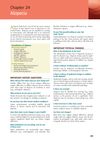
 The document concludes that alopecia has various forms, each with specific treatments, but no definitive cure for certain types like CCCA has been proven.
 March 2017 in “InTech eBooks”
 Acne vulgaris is a common skin condition that can cause low self-esteem and depression, and early treatment is important to prevent scarring.
 January 2017 in “Springer eBooks”
 The document explains various skin conditions and their treatments.
 January 2017 in “Springer eBooks”
 The document concludes that Cutaneous Lupus Erythematosus has different forms, is influenced by genetic and environmental factors, and can be treated with various medications, but more targeted therapies are needed.
 December 2016 in “British Journal of Dermatology”
 The meeting highlighted the importance of genetic testing and multidisciplinary approaches in pediatric dermatology.

Modern hair restoration techniques can effectively treat hair loss and provide natural-looking results.
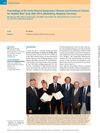 September 2014 in “Aktuelle Dermatologie”
 The symposium concluded that environmental factors significantly contribute to skin aging.
 December 2013 in “Research Portal (King's College London)”
 Hair loss in Lichen Planopilaris is caused by immune system issues damaging hair follicles and stem cells.
 January 2009 in “Springer eBooks”
 The document concludes that treating skin conditions should include psychological care and a multidisciplinary approach is essential for effective management.
 January 2009 in “Springer eBooks”
 The document concludes that managing skin conditions during pregnancy is important and requires specialized care.
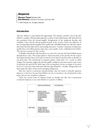 January 2007 in “Elsevier eBooks”
 Alopecia areata is a reversible, autoimmune-related hair loss that can have significant emotional impact and uncertain treatment effectiveness.
 September 2004 in “Experimental dermatology”
 Melatonin directly affects mouse hair follicles and may influence hair growth.
 April 2019 in “Journal of emerging technologies and innovative research”
 Early treatment of Female Pattern Hair Loss is important to stop it from getting worse, and various treatments can help, especially in mild to moderate cases.

Topical minoxidil helps treat hair loss in teens, but more research needed for safe options.
 July 2008 in “British Journal of Dermatology”
 Cyclosporin doesn't stop hair loss.
 77 citations
,
March 2001 in “Clinics in Dermatology”
77 citations
,
March 2001 in “Clinics in Dermatology” Androgenetic alopecia involves genetics, hormones, and can be treated with medications or surgery.
 159 citations
,
July 2006 in “Endocrine Reviews”
159 citations
,
July 2006 in “Endocrine Reviews” Estrogens significantly influence hair growth by interacting with receptors in hair follicles and may help regulate the hair growth cycle.
 141 citations
,
September 2016 in “European Journal of Dermatology”
141 citations
,
September 2016 in “European Journal of Dermatology” Taxane chemotherapy can cause skin, hair, and nail side effects, which are often under-reported and can affect patient quality of life.