 2 citations
,
December 2022 in “PNAS nexus”
2 citations
,
December 2022 in “PNAS nexus” SCD-153 shows promise as an effective topical treatment for alopecia areata.
January 2016 in “Jurnal Farmasi Indonesia” The 10% hibiscus leaf extract hair tonic promotes better hair growth than 2% minoxidil but causes eye irritation.
100 citations
,
July 2006 in “British Journal of Dermatology” Triamcinolone acetonide injections help hair regrow quickly in mild alopecia but not in severe cases.
1 citations
,
September 2023 in “Journal of the American Academy of Dermatology” Ritlecitinib effectively regrows and maintains scalp, eyebrow, and eyelash hair in alopecia areata patients.
March 2023 in “Reactions Weekly” January 2023 in “Reactions Weekly” January 2023 in “Reactions Weekly” January 2023 in “Reactions Weekly” January 2024 in “Journal of the American Academy of Dermatology” Gabapentin helps with scalp itch, dutasteride works for frontal fibrosing alopecia, and more research is needed for better PCA treatments.
February 2023 in “European Journal of Medical Research” Certain existing drugs, like glycopyrronium and botulinum toxin type A, may help treat excessive sweating.
Baricitinib helps keep hair, eyebrows, and eyelashes regrown for 3 years in most people with severe hair loss.
15 citations
,
September 2018 in “Hearing research” Rapamycin reduces age-related hearing cell loss in mice, but acarbose does not.
4 citations
,
July 2024 in “Pharmacology Research & Perspectives” Ritlecitinib is safe and may effectively treat alopecia areata.
January 2018 in “International Journal of Medical Reviews and Case Reports” Bimatoprost 0.03% solution may help treat hair loss.
July 2026 in “Journal of Medicinal Chemistry” A new drug strategy improves hair loss treatment with better results and safety.
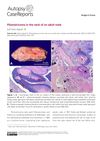 January 2022 in “Autopsy and Case Reports”
 A man had a non-cancerous neck tumor related to hair follicles removed with no return of the tumor.
 January 2018 in “日本薬理学会年会要旨集 =”
 Minoxidil may protect the brain from damage by preventing cell death and energy loss.
1 citations
,
January 2013 in “Journal of the Scientific Society” A painless cheek lump was misdiagnosed but later identified as a rare benign skin lesion called pilomatrixoma.
 10 citations
,
October 2015 in “Journal of Dermatology”
10 citations
,
October 2015 in “Journal of Dermatology” Adenosine treatment thickens hair in Caucasian men with hair loss.
 1 citations
,
June 2023 in “Cureus”
1 citations
,
June 2023 in “Cureus” Spironolactone may help improve symptoms and tear quality in dry eye disease.
 October 2024 in “Journal of the European Academy of Dermatology and Venereology”
 Ritlecitinib and baricitinib are similarly effective for hair regrowth in severe alopecia areata.
 April 2026 in “Al-Mustaqbal Journal of Pharmaceutical and Medical Sciences”
 Nifedipine cream promotes more hair growth than minoxidil.
4 citations
,
March 2003 in “International Journal of Dermatology” Pimozide treatment resolved cysts and partially restored cheek fat in a man with Barraquer–Simons syndrome.
 January 2025 in “International Journal of Pharmacognosy and Pharmaceutical Research”
 Bacopa monnieri extract can significantly inhibit cell division.
January 2022 in “Springer eBooks” 16 citations
,
September 2022 in “International Journal of Molecular Sciences” Juniperus sabina L. extract shows potential medicinal value due to high podophyllotoxin levels and strong anti-butyrylcholinesterase activity.
October 2024 in “Skin Research and Technology” Pili annulati causes zebra-striped hair but doesn't affect hair strength or quality of life.
1 citations
,
April 2021 in “Journal of Cosmetic Dermatology” The cream effectively reduced hair growth on forearms.
August 2026 in “Pharmacological Research - Modern Chinese Medicine” Agrimonia pilosa extract and agrimonolide reduce inflammation and speed up wound healing.
Patients and doctors often agree on the severity of eyebrow and eyelash hair loss in severe alopecia areata.