5 citations
,
January 2019 in “Research journal of pharmacy and technology” The 10% Angiopteris evecta hair tonic is stable, promotes hair growth, and is safe.

Baricitinib effectively promotes regrowth of eyebrows and eyelashes in alopecia areata patients.
 September 2022 in “Journal of The American Academy of Dermatology”
 Baricitinib was effective in regrowing eyebrow and eyelash hair in patients with severe alopecia areata.
 20 citations
,
November 1943 in “Experimental Biology and Medicine”
20 citations
,
November 1943 in “Experimental Biology and Medicine” Inositol helped prevent and cure hair loss in rats.
Trichosanthes cucumerina leaf extract can promote hair growth like Minoxidil.
38 citations
,
September 2017 in “Journal of zoo and wildlife medicine” Oclacitinib maleate successfully treated alopecia in Andean bears.
4 citations
,
January 2020 in “JOURNAL OF CLINICAL AND DIAGNOSTIC RESEARCH” 2% Minoxidil effectively improves eyebrow hair growth and thickness.
1 citations
,
February 2025 in “Toxicology in Vitro” Diphlorethohydroxycarmalol may help treat hair loss better than current medications.
 10 citations
,
January 2018 in “Postępy Dermatologii i Alergologii”
10 citations
,
January 2018 in “Postępy Dermatologii i Alergologii” Treating alopecia areata every 3 weeks with diphenylcyclopropenone is more effective than weekly treatments.
December 2022 in “Scientific Reports” Compound 4 is a promising treatment for hair loss with low toxicity.
33 citations
,
November 2020 in “AAPS PharmSciTech”  November 2017 in “Dermatologic Therapy”
 A new topical solution safely reduces hair shedding by 38% on average by tightening a muscle in the scalp.
April 2025 in “International Ayurvedic Medical Journal” Traditional Ayurvedic treatment improved hair growth in patchy hair loss.
9 citations
,
November 1980 in “Geburtshilfe und Frauenheilkunde” Fenoterol treatment causes increased hair growth due to higher metabolism in hair follicles, not hormones.
55 citations
,
December 1983 in “Acta Neurologica Scandinavica” Carbamazepine, valproate, and clonazepam can cause mild to serious side effects during long-term epilepsy treatment.
May 2026 in “British Journal of Clinical Pharmacology” Hair analysis has potential but is currently limited for monitoring medication adherence.
 February 2026 in “Inflammopharmacology”
 Pistacia atlantica leaf ointment effectively heals wounds like phenytoin, with added antibacterial and anti-inflammatory benefits.
 10 citations
,
October 2016 in “Epilepsy & behavior”
10 citations
,
October 2016 in “Epilepsy & behavior” Levetiracetam often causes behavioral issues, while oxcarbazepine is more likely to cause sleepiness in epilepsy patients.
81 citations
,
June 2006 in “Experimental Neurology” Neurosteroids may help prevent seizures in epilepsy.
19 citations
,
June 2013 in “Journal of Neuroendocrinology” Neurosteroids may help prevent seizures and slow epilepsy progression.
1 citations
,
January 2017 in “International Journal of Trichology” A new mutation caused a rare hair disorder in a Polish girl, not inherited from her family.
 December 2021 in “International journal of research - granthaalayah”
 A young woman had a rare, usually non-cancerous tumor on her face that was initially mistaken for a different condition.
2 citations
,
January 1999 in “Dermatology”  September 2022 in “Journal of Ayub Medical College Abbottabad”
 Steroid injections are more effective than platelet rich plasma for treating patchy hair loss.
 8 citations
,
November 2002 in “The Canadian journal of psychiatry/Canadian journal of psychiatry”
8 citations
,
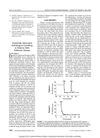
November 2002 in “The Canadian journal of psychiatry/Canadian journal of psychiatry” Increasing olanzapine caused hair loss in a woman, which stopped after changing medication.
 35 citations
,
April 2012 in “Journal of Clinical Psychopharmacology”
35 citations
,
April 2012 in “Journal of Clinical Psychopharmacology” Finasteride reduces gambling symptoms in Parkinson's patients.
 125 citations
,
May 2019 in “Phytomedicine”
125 citations
,
May 2019 in “Phytomedicine” Cepharanthine is a well-tolerated drug with multiple medical uses, including anti-inflammatory and anti-cancer properties.
 38 citations
,
November 2005 in “Epilepsia”
38 citations
,
November 2005 in “Epilepsia” Levetiracetam is widely used and generally well-tolerated for treating idiopathic generalized epilepsies, with tiredness as the main side effect.
 1 citations
,
August 2023 in “Expert opinion on drug delivery”
1 citations
,
August 2023 in “Expert opinion on drug delivery” Cedrol-loaded microneedles effectively promote hair growth.
2 citations
,
January 2006 in “PubMed” Carpronium chloride increases blood flow by widening small blood vessels.