Search
for
Sort by
Research
150-180 / 1000+ results
research A rare cause of postmenopausal hyperandrogenism
A 71-year-old woman developed male-like features due to high testosterone levels caused by a benign ovarian tumor, which was successfully removed by surgery.
research Polycystic ovary syndrome and insulin-resistant hyperinsulinemia
Insulin resistance contributes to hormone imbalances in many women with polycystic ovary syndrome.
research Hirsutism
Hirsutism is too much hair growth in women like the pattern in men, often caused by high male hormones, and can be treated with hormone control and hair removal methods.
research Ovarian Hilus Cell Hyperplasia and Sertoli-Leydig Cell Tumor in a Patient with Postmenopausal Virilization: a Rare Case Report
A woman's male-like physical changes were caused by two rare ovarian conditions.
research Menopause and hair loss in women: Exploring the hormonal transition
Menopause can cause hair loss in women due to hormonal changes, affecting their well-being and quality of life.
research Prevalence Of Skin Manifestations In Patients With Polycystic Ovarian Syndrome
Skin issues are common and important for diagnosing PCOS.
research Hirsutism
Most women with hirsutism have it because of PCOS, and they need long-term treatment including medication and hair removal to improve their condition.
research CUTANEOUS MANIFESTATIONS OF POLYCYSTIC OVARIAN DISEASE
Skin problems like excessive hair growth, acne, and dark skin patches can be signs of Polycystic Ovarian Disease, which may also be linked to family history and a risk for diabetes.
research Migraine and the menopause transition
Migraines often worsen during perimenopause, but safe treatments are available.
research Lichen Planopilaris in Women
Women with lichen planopilaris often have thyroid disease, depression, anxiety, and may respond to treatment with slowed disease progression.
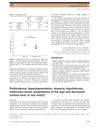
research Poikiloderma, hyperpigmentation, alopecia, hypohidrosis, malformed bones, lymphedema of the legs and decreased cortisol level: A new entity?
A new medical syndrome may include skin changes, hair loss, sweating issues, bone malformations, leg swelling, and low cortisol.
research TRICHOLOGY FEATURES OF ALOPECIA IN WOMEN OF REPRODUCTIVE AGE PATIENTS WITH POLYCYSTIC OVARY SYNDROM
Women of reproductive age with polycystic ovary syndrome often experience hair loss.
research Cutaneous Side Effects of Oral Contraceptives
Oral contraceptives can cause skin issues like dark patches, acne, yeast infections, sensitivity to light, spider veins, skin rashes, and hair loss.
research Treatment of hyperandrogenism in polycystic ovary syndrome
Hormonal therapies are effective for managing hair and skin symptoms in women with PCOS.
research Barraquer–Simons syndrome with benign infundibulocystic proliferation
Pimozide treatment resolved cysts and partially restored cheek fat in a man with Barraquer–Simons syndrome.
research EFFECTS OF A LOW‐DOSE DESOGESTREL‐ETHINYLESTRADIOL COMBINATION ON HIRSUTISM, ANDROGENS AND SEX HORMONE BINDING GLOBULIN IN WOMEN WITH A POLYCYSTIC OVARY SYNDROME
Low-dose oral contraceptives reduced hair growth and testosterone levels in women with polycystic ovary syndrome.
research Bilateral madarosis due to papular mucinosis
Papular mucinosis can cause eyebrow hair loss, but treatment can lead to regrowth.
research An unusual presentation of pilomatrixoma
A painless cheek lump was misdiagnosed but later identified as a rare benign skin lesion called pilomatrixoma.
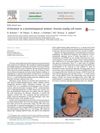
research Virilization in a postmenopausal woman: Ovarian Leydig cell tumor
A postmenopausal woman's virilization was caused by a rare ovarian tumor that was hard to detect but was successfully treated with surgery.
research Hand Pilomatrixoma: A Rare Localization
A rare hair follicle tumor in the hand was successfully removed with no return after four years.
research Specific dermatologic features of the polycystic ovary syndrome and its association with biochemical markers of the metabolic syndrome and hyperandrogenism
Hirsutism is a strong sign of high male hormones and metabolic problems in women with PCOS, but acne and hair loss are not.
research Menopausal Acne – Challenges And Solutions
Menopausal acne is mainly caused by hormonal changes and can be managed with topical treatments, lifestyle changes, and sometimes medication.
research Dermatologic manifestations in patients with polycystic ovary syndrome: their prevalence and assessment in relation to hormonal and metabolic changes
People with PCOS often have skin problems like excessive hair growth, hair loss, acne, and dark patches, which are linked to hormonal and metabolic imbalances.
research A prospective study of the prevalence of clear-cut endocrine disorders and polycystic ovaries in 350 patients presenting with hirsutism or androgenic alopecia
Most women with hirsutism or androgenic alopecia had polycystic ovaries, especially if they had irregular periods.
research Lichen Planopilaris with Pili Torti and Ectodermal Dysplasia: a hair curling case report.
Early detection and treatment are crucial to prevent irreversible hair loss in Lichen Planopilaris.
research Skin as a Window to Endocrine Dysfunction: Dermatological and Metabolic Interactions in Polycystic Ovary Syndrome
Skin issues in PCOS signal hormone problems, and combined treatments improve outcomes.
research Treatment of hirsutism and acne in hyperandrogenism
Medicines that lower androgen levels and hair removal treatments help manage excessive hair and acne in women with PCOS.
research PCOS-Management of Androgenetic Alopecia
Hair loss in women with PCOS is linked to high androgen levels but the relationship is unclear.
research The HAIR-AN syndrome : a case report
Treatment improved symptoms in a woman with HAIR-AN syndrome.