 May 2017 in “bioRxiv (Cold Spring Harbor Laboratory)”
 The peach gene pCTG134 helps control the interaction between auxin and ethylene hormones during fruit ripening.
September 2017 in “The journal of investigative dermatology. Symposium proceedings/The Journal of investigative dermatology symposium proceedings” CCCA and lichen planopilaris have similar histological features, making them hard to distinguish.
6 citations
,
December 2022 in “Toxicological Research” 2 citations
,
May 2022 in “International journal of trichology” Plica neuropathica is a tangled hair condition that may be caused by hair damage or psychiatric issues and is treated by cutting the hair and addressing mental health.
November 2025 in “Quantum Wellness : Jurnal Ilmu Kesehatan” Pacing tawar leaves may help treat itching, insect bites, and promote hair growth.
Mutations in the PADI3 gene may cause central centrifugal cicatricial alopecia in women of African ancestry.
 March 2025 in “Journal of Neonatal Surgery”
 Nardostachys Jatamansi is an endangered plant with valuable medicinal properties that could lead to safer drug alternatives.
62 citations
,
February 2018 in “Scientia Horticulturae” Mycorrhizal fungi improve root hair growth and nutrient uptake in trifoliate orange, especially when phosphorus is low.
 12 citations
,
November 2003 in “Journal of the American Academy of Dermatology”
12 citations
,
November 2003 in “Journal of the American Academy of Dermatology” Topical diphencyprone helped regrow hair in mice and rats with a condition similar to human hair loss.
July 2021 in “Journal of dermatology & dermatologic surgery” IMTA can help regrow hair in severe alopecia areata when JAK inhibitors don't work well.
July 2009 in “Planta Medica” Traditional healers in Pabna, Bangladesh, use various plants to treat different health issues.
 September 2016 in “Journal of the Society of Cosmetic Scientists of Korea”
 Pine resin and abietic acid were found to promote hair growth in mice.
 118 citations
,
July 2005 in “Journal of Ethnopharmacology”
118 citations
,
July 2005 in “Journal of Ethnopharmacology” Eclipta alba extract improved learning, memory, and stress-related ulcers in rats without affecting movement or causing anxiety.
2 citations
,
January 2017 in “Indian dermatology online journal” A woman had a rare infection of both white piedra and head lice, which improved after 10 weeks of antifungal treatment.
 May 2026 in “Zenodo (CERN European Organization for Nuclear Research)”
 Rosary Pea has medicinal benefits but requires careful handling due to its toxicity.
November 2017 in “International Journal of Biomedical and Advance Research - International Journal of Biomedical and Advance Research” Guazuma tomentosa is effective against many health issues.
August 2023 in “Health Sciences and Pharmacy Journal” Herbal therapies may effectively treat alopecia with fewer side effects than synthetic drugs.
 45 citations
,
February 2018 in “Journal of basic and clinical physiology and pharmacology/Journal of basic & clinical physiology & pharmacology”
45 citations
,
February 2018 in “Journal of basic and clinical physiology and pharmacology/Journal of basic & clinical physiology & pharmacology” *Acorus calamus* has many medicinal benefits but needs more safety research.
 4 citations
,
October 2022 in “Microbial Cell Factories”
4 citations
,
October 2022 in “Microbial Cell Factories” Certain bacteria from the Citrullus colocynthis plant may be a new source of antibiotics to fight drug-resistant diseases.
 1 citations
,
August 2022 in “JAAD case reports”
1 citations
,
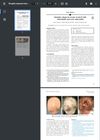
August 2022 in “JAAD case reports” Tofacitinib and oral minoxidil may help treat Sisaipho alopecia areata.
 November 2025 in “SKIN The Journal of Cutaneous Medicine”
 Baricitinib works better in adolescents than adults for treating severe alopecia areata.
January 2026 in “Dermatologic Therapy” Pinus massoniana needles extract may help treat hair loss by promoting hair growth and reducing oxidative stress.
12 citations
,
April 2005 in “Journal of Herbs Spices & Medicinal Plants” Horse chestnut has ornamental uses and potential health benefits, but more research is needed on its cultivation and properties.
1 citations
,
August 2024 in “JAAD Case Reports” Tick bites can cause hair loss similar to alopecia areata, and baricitinib may help regrow hair.
August 2026 in “Journal of Cosmetic Dermatology” PRP is a good alternative to ILTA for treating mild patch-type alopecia areata, with similar effectiveness and fewer side effects.
July 2018 in “Zenodo (CERN European Organization for Nuclear Research)” Dravanti beeja lepa is safe and effective for regrowing hair in Alopecia Areata.
Urtica dioica L. extract may help treat skin fungus but is less effective than standard treatment.
5 citations
,
January 2021 in “Pakistan Journal of Nematology” Citrullus colocynthis is a valuable natural option for medicine and pest control.
 8 citations
,
April 2015 in “British Journal of Dermatology”
8 citations
,
April 2015 in “British Journal of Dermatology” White piedra, a rare fungal infection, was diagnosed in two women in a northern climate.
 January 2025 in “International Journal of Zoological Investigations”
 Myristica fragrans shows promise as an anti-inflammatory agent.