September 2025 in “Indian Journal of Dermatology” A Turkish woman has a hair condition caused by a LIPH gene mutation.
 13 citations
,
September 2019 in “Clinical, Cosmetic and Investigational Dermatology”
13 citations
,
September 2019 in “Clinical, Cosmetic and Investigational Dermatology” Early treatment of EPDS can improve outcomes and reduce recurrence risk.
May 2025 in “Dermatology Reports” A genetic mutation in the LIPH gene causes a rare hair disorder with sparse, curly hair.
 September 2024 in “BMJ Case Reports”
 An adult had a rare scalp infection in the forehead area, treated successfully with itraconazole.
November 2014 in “The Pediatric Infectious Disease Journal” The child was diagnosed with a skin condition involving inflamed hair follicles.

Antimalarial agents are effective for LPP, and intralesional steroids are effective for FFA.
7 citations
,
January 2014 in “International Journal of Trichology” Primary idiopathic pseudopelade of Brocq causes gradual, scarring hair loss with no effective treatment.
January 2025 in “SAGE Open Medical Case Reports” Combination therapy may be more effective for difficult-to-treat scalp conditions.
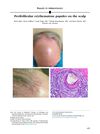 January 2016 in “Journal of The American Academy of Dermatology”
 The woman has a type of scarring hair loss with red bumps around hair follicles.
2 citations
,
July 2013 in “PubMed” The pubic hair loss was likely due to anorexia nervosa.
April 2026 in “Journal of Cutaneous Pathology” Alopecia can be caused by multicentric reticulohistiocytosis.
9 citations
,
February 2002 in “International Journal of Dermatology” The patient's symptoms improved with treatment but recurred when the steroid dose was reduced, requiring ongoing therapy.
 June 2017 in “Journal of The American Academy of Dermatology”
 Women in Australia report different signs of facial aging compared to women in the US, UK, and Canada; men with Lichen planopilaris often have hormonal abnormalities and thyroid disease.
 January 2023 in “Indian dermatology online journal”
 Skin problems after waxing led to a sarcoidosis diagnosis.
1 citations
,
August 2024 in “Anais Brasileiros de Dermatologia” Recognizing skin symptoms helps diagnose and treat frontal fibrosing alopecia.
January 2024 in “Indian Journal of Dermatology” Unilateral keratosis follicularis squamosa may be a new subtype, successfully treated with asiaticoside ointment.
September 2024 in “Indian Journal of Dermatology Venereology and Leprology”  12 citations
,
May 2011 in “Dermatologic Clinics”
12 citations
,
May 2011 in “Dermatologic Clinics” Hair loss in autoimmune blistering skin diseases varies and may regrow with disease control.
27 citations
,
February 1988 in “Journal of the American Academy of Dermatology” The skin condition Ulerythema ophryogenes did not improve with treatment in a patient with other birth defects.
 September 2024 in “Portuguese Journal of Dermatology and Venereology”
 CCCA and LPP may be related hair loss conditions influenced by genetics and environment, needing early treatment.
25 citations
,
April 2008 in “Clinical and experimental dermatology” EFFC might be common but underreported.
10 citations
,
May 2020 in “Dermatologic therapy” Tildrakizumab significantly improved recalcitrant lichen planopilaris and frontal fibrosing alopecia.
5 citations
,
October 2019 in “JAAD Case Reports” These hair loss conditions might be part of a spectrum, not separate issues.
1 citations
,
November 2023 in “SKIN The Journal of Cutaneous Medicine” 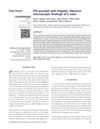 13 citations
,
January 2012 in “International journal of trichology”
13 citations
,
January 2012 in “International journal of trichology” The study found that hair fragility in Pili annulati may be caused by cavities and damage within the hair shafts.
 February 2025 in “PubMed”
 Thorough scalp exams are crucial for diagnosing hair loss conditions in people with skin of color.
 January 2023 in “Skin appendage disorders”
 Two Hispanic women developed Plica neuropathica, a condition causing tangled hair, possibly due to hair damage and various risk factors.
9 citations
,
May 1996 in “Pediatric Dermatology” Alopecia areata and lichen planus can occur together in children, which is important for diagnosis and treatment.
July 1979 in “Archives of Dermatology” A 68-year-old woman with benign mucous membrane pemphigoid has eye, mouth, and skin issues, including thick plaques and nail changes.
 November 2023 in “BMJ case reports”
 A man in his 30s had patchy hair loss on his leg due to primary follicular mucinosis.