24 citations
,
October 2019 in “Genes” A new sheep gene, KRTAP36-1, may help breed sheep with better wool by reducing prickle factor.
224 citations
,
February 2013 in “The Journal of clinical investigation/The journal of clinical investigation” ERG increases SOX9, promoting prostate cancer growth and invasion.
 2 citations
,
January 2020 in “BioMed Research International”
2 citations
,
January 2020 in “BioMed Research International” Phaeodactylum tricornutum extract helps hair follicle cells grow by activating the ERK1/2 pathway.
52 citations
,
July 2011 in “PubMed” TRPS1 is crucial for bone, kidney, and hair follicle development.
1 citations
,
September 1986 in “Journal of the Forensic Science Society” Hair root sheaths can be used to accurately analyze genetic markers.
 April 2023 in “The journal of investigative dermatology/Journal of investigative dermatology”
 Too much IKZF1 and Ikaros protein may cause alopecia areata.
 January 2024 in “Annals of Dermatology”
 DPCP immunotherapy is effective for alopecia areata, and understanding influencing factors can improve treatment and satisfaction.
19 citations
,
September 1971 in “Journal of Investigative Dermatology” 8 citations
,
September 2020 in “Genes & Genomics” 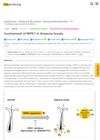
RIPK1 inhibitors might help prevent alopecia areata.
Androgen receptor overexpression can increase prostate cancer cell growth even without hormones.
36 citations
,
August 2016 in “The Plant cell” A specific enzyme is crucial for the bean plant's relationship with certain beneficial soil bacteria and fungi.
 November 2023 in “The journal of investigative dermatology/Journal of investigative dermatology”
 Blocking TYK2 might be a new way to treat hair loss from alopecia areata.
293 citations
,
September 2004 in “Development” WNT signaling is crucial for starting mammary gland development.
5 citations
,
October 2024 in “Reumatismo” Upadacitinib significantly improved alopecia universalis and psoriatic arthritis in a patient.
 April 2017 in “Journal of Investigative Dermatology”
 Triptolide effectively and safely reduces actinic keratosis lesions in mice.
January 2022 in “Mammalian Genome” The wavy coat in NCT mice is caused by multiple genes, including a mutation in the Prss53 gene.
11 citations
,
May 2012 in “Genesis” Bmpr2 and Acvr2a receptors are crucial for hair retention and color.
February 2024 in “bioRxiv (Cold Spring Harbor Laboratory)” Increased energy use in Pik3r1-related insulin resistance isn't due to Ucp1 thermogenesis.
1 citations
,
September 2022 in “Canadian Journal of Ophthalmology” Paraproteinemic keratopathy can show eye symptoms before other signs of disease, needing careful treatment and long-term follow-up.
5 citations
,
October 2023 in “Aging” Sonic hedgehog signaling helps heal pressure ulcers by improving blood vessel growth.
 53 citations
,
January 2011 in “Diabetes”
53 citations
,
January 2011 in “Diabetes” People with PCNT mutations often develop severe insulin resistance and early-onset diabetes during childhood or adolescence.
January 2026 in “Open MIND” Targeting the PIEZO1 and MLCK axis may offer a new treatment for hair loss.
20 citations
,
January 2015 in “Biochimica and biophysica acta. Molecular and cell biology of lipids” Lysophosphatidic acid affects sensory neurons and may cause neuropathic pain and itch.
14 citations
,
March 2015 in “Stem Cell Research & Therapy” ABCG2 protein marks stem-like skin cells in human epidermis.
 18 citations
,
October 2017 in “PLOS ONE”
18 citations
,
October 2017 in “PLOS ONE” The study concluded that similar pathways regulate hair growth in dogs and mice, and these pathways are disrupted in dogs with Alopecia X, affecting stem cells and hormone metabolism.
130 citations
,
March 2014 in “Proceedings of the National Academy of Sciences of the United States of America” Epidermal Wnt/β-catenin signaling controls fat cell formation and hair growth.
 62 citations
,
January 2004 in “The journal of investigative dermatology/Journal of investigative dermatology”
62 citations
,
January 2004 in “The journal of investigative dermatology/Journal of investigative dermatology” A second domain of high sulfur KAP genes on chromosome 21q23 is crucial for hair structure.
29 citations
,
October 2010 in “Journal of Investigative Dermatology” Activating Kras in mouse skin causes excess skin and hair loss.
28 citations
,
March 2013 in “Journal of Investigative Dermatology” Kv1.3 blockers may help treat alopecia areata and promote hair regrowth.