1 citations
,
April 2016 in “Journal of lipid research” Lipin-1 is important for skin cell differentiation and skin barrier function.
 71 citations
,
June 2001 in “American Journal of Pathology”
71 citations
,
June 2001 in “American Journal of Pathology” The p53 protein helps control hair follicle shrinking by promoting cell death in mice.
2 citations
,
October 2020  25 citations
,
July 1994 in “Archives of Dermatology”
25 citations
,
July 1994 in “Archives of Dermatology” A man's skin condition, pemphigus vulgaris, came back after he was treated with interleukin 2 for cancer.
135 citations
,
March 2000 in “Journal of Biological Chemistry” Agouti and AGRP affect pigmentation and obesity, with implications for metabolic disorders.
June 2024 in “Lasers in Surgery and Medicine” The cooling system effectively and safely treats benign pigmented lesions in Asians.
14 citations
,
August 2020 in “Journal of cosmetic dermatology” Experts recommend using PN-HPT™ for skin rejuvenation in various body areas but have less agreement on initial facial treatment cycles.
33 citations
,
January 2015 in “Journal of Ginseng Research” Ginsenoside Rg3 from Panax ginseng can lighten skin by reducing melanin production.
 April 2019 in “Journal of Investigative Dermatology”
 The created skin model with melanoblasts improves the study of skin color and offers an alternative to animal testing.
November 2024 in “Journal of Investigative Dermatology” Blocking the JAK/STAT pathway may help reduce skin sensitivity in Xeroderma pigmentosum.
 33 citations
,
August 1985 in “Archives of Dermatology”
33 citations
,
August 1985 in “Archives of Dermatology” Acquired Progressive Kinking of Hair is likely an early sign of male pattern baldness.
7 citations
,
April 2019 in “Animal biotechnology” The POMP gene is active in various goat tissues and affects hair growth, with certain treatments influencing its expression.
June 2022 in “International Journal of Research in Dermatology” Injectable platelet-rich fibrin is a safe and effective treatment for hair loss.
February 2026 in “Trends in Sciences” i-PRF-derived exosomes can effectively promote hair growth and improve hair health in androgenetic alopecia.
29 citations
,
January 2013 in “The journal of investigative dermatology/Journal of investigative dermatology” P-cadherin is crucial for hair follicle pigmentation but not skin pigmentation.
 19 citations
,
July 2015 in “Journal of Ginseng Research”
19 citations
,
July 2015 in “Journal of Ginseng Research” Korean Red Ginseng may protect against hair loss caused by chemotherapy.
January 2013 in “Heilongjiang xumu shouyi” Researchers cloned a gene from Xinjiang fine-wool sheep, finding it very similar to other sheep and somewhat similar to goats, humans, and rabbits.
January 2025 in “Tanzania journal of health research/Tanzania Journal of Health Research” Autologous mini-punch grafting can effectively repigment stable vitiligo, but has some risks and limitations.
 1 citations
,
August 2022 in “JAAD case reports”
1 citations
,
August 2022 in “JAAD case reports” Pioglitazone use was linked to hair regrowth in a patient with permanent hair loss from cicatricial alopecia.
 6 citations
,
January 2020 in “International journal of biological sciences”
6 citations
,
January 2020 in “International journal of biological sciences” Removing the ROBO4 gene in mice reduces skin inflammation and hair loss by affecting certain inflammation pathways and gene expression.
 24 citations
,
October 2012 in “Journal of Ginseng Research”
24 citations
,
October 2012 in “Journal of Ginseng Research” Korean Red Ginseng may help improve hair regrowth when used with corticosteroid injections for Alopecia Areata.
 15 citations
,
July 2013 in “Cell Reports”
15 citations
,
July 2013 in “Cell Reports” Indian Hedgehog helps control skin cell growth and protects against aggressive skin cancer.
 2 citations
,
September 1980 in “Experientia”
2 citations
,
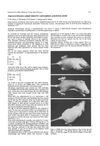
September 1980 in “Experientia” Polyethylene alanine caused hair loss in young lab animals but not in adults, with hair regrowth occurring within 20 days.
 September 2016 in “Journal of Dermatological Science”
 The protein aPKCλ is crucial for keeping hair follicle stem cells inactive and for hair growth and regeneration.
December 2011 in “Journal of the Turkish Academy of Dermatology” Pityriasis rubra pilaris can occur with myasthenia gravis.
15 citations
,
June 2020 in “The journal of investigative dermatology/Journal of investigative dermatology” Mice with extra human KLK14 had hair and skin problems, including weaker cell bonds and inflammation, linked to Netherton syndrome.
 1 citations
,
January 2025 in “Frontiers in Pharmacology”
1 citations
,
January 2025 in “Frontiers in Pharmacology” Total glucosides of paeony can help treat skin conditions but need more research for clinical use.
Pimpinella anisum L. extract significantly boosts hair growth in mice.
August 2024 in “Postgraduate Medical Journal” A rare skin reaction from cancer treatment was successfully managed with topical treatments and antihistamines.