 81 citations
,
February 2019 in “Experimental & Molecular Medicine”
81 citations
,
February 2019 in “Experimental & Molecular Medicine” PAK4 is crucial in cancer progression, brain development, and could be a therapeutic target, especially through the PAK4-CREB axis.
 February 2020 in “Definitions”
 Mutations in the KRT16 gene can cause skin and nail disorders.
135 citations
,
October 1999 in “Journal of Cell Science” Overexpressing PKCα in mice skin increases inflammation but doesn't affect tumor growth.
23 citations
,
February 2015 in “The American journal of pathology” Keratosis pilaris is often linked to genetic mutations and causes skin and hair abnormalities, regardless of those mutations.
 1 citations
,
January 2023 in “Biochemical and biophysical research communications”
1 citations
,
January 2023 in “Biochemical and biophysical research communications” Keratin 79 is linked to liver damage and may help diagnose liver diseases.
50 citations
,
July 2008 in “British Journal of Dermatology”  April 2023 in “Journal of Investigative Dermatology”
 The document's conclusion cannot be provided because the content is not accessible.
2 citations
,
October 2025 in “Cells” PKM2 is a promising target for heart repair and regeneration.
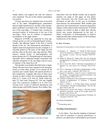 January 1999 in “Journal of the European Academy of Dermatology and Venereology”
 RAPK is a rare skin disorder with pigmented spots, mainly on hands and feet, starting in youth.
 30 citations
,
December 2011 in “Journal of biological chemistry/The Journal of biological chemistry”
30 citations
,
December 2011 in “Journal of biological chemistry/The Journal of biological chemistry” Keratin 17 is modified by RSK1 in response to growth and stress, affecting skin growth and stress response.
 April 2023 in “Cancer research”
 KRTAP2-3 could help predict cancer recurrence by identifying specific cancer cells.
 10 citations
,
June 2005 in “The journal of investigative dermatology/Journal of investigative dermatology”
10 citations
,
June 2005 in “The journal of investigative dermatology/Journal of investigative dermatology” FP-1 is a key protein in rat hair growth, active only during the growth phase.
40 citations
,
December 2010 in “Human Genetics” April 1977 in “Pediatric Research” 57 citations
,
January 1987 in “Journal of Biological Chemistry” Different keratins have unique expression patterns in mouse skin cells.
May 2005 in “Molecular Carcinogenesis” mrp/plf-mRNA can indicate tumor-promoting effects in skin.
79 citations
,
October 2003 in “PubMed” Overexpression of PKCepsilon leads to increased TNFalpha, promoting metastatic squamous cell carcinoma in mice.
 1 citations
,
March 2023 in “Frontiers in Cardiovascular Medicine”
1 citations
,
March 2023 in “Frontiers in Cardiovascular Medicine” A specific gene variant is linked to heart disease, increased heart muscle, curly hair, and thick skin on palms and soles.
 July 2026 in “International Journal of Innovative Technologies in Social Science”
 Current treatments for keratosis pilaris provide temporary relief, but more research is needed for better solutions.
 78 citations
,
April 1994 in “Archives of dermatology”
78 citations
,
April 1994 in “Archives of dermatology” The study found that Keratosis Pilaris Atrophicans is a genetic skin condition that starts in childhood, involves inflammation and scarring, and current treatments are only somewhat effective.
12 citations
,
March 2004 in “Journal of Investigative Dermatology” 3 citations
,
January 2005 in “Photochemistry and Photobiology” Protein kinase C epsilon may promote skin cancer development after UV exposure by affecting nearby cells.
28 citations
,
January 2005 in “Photochemistry and Photobiology” Protein kinase C epsilon may increase skin cancer risk by affecting nearby cells.
13 citations
,
July 1994 in “PubMed” Keratins K6 and K16 are expressed more freely in regenerating mouse skin than K1 and K10.
13 citations
,
July 2016 in “Indian Journal of Dermatology” DPR can show different hair characteristics, as seen in two brothers with normal hair.
 March 1998 in “Journal of dermatological science”
 Protease Nexin-1 is found in human hair growth cells and is affected by male hormones.
 15 citations
,
August 2017 in “International Journal of Molecular Medicine”
15 citations
,
August 2017 in “International Journal of Molecular Medicine” Panax ginseng extract may help prevent hair loss caused by DKK-1.
![Optimization of Anti-Hair Loss Cream Mixing Process with Saw Palmetto Extract [Serenoa Repens] Using Mixing Temperature and Rotation Speed Comparison: Application of Factorial Design](/images/assets/b2677f7e-1e4f-45a9-b3cd-8657b1c20a30/small/23373.jpg)
The conclusion cannot be provided because the document content is not available.
14 citations
,
August 2014 in “The FASEB Journal” CAP1/Prss8 does not activate PAR2 or inhibit PN-1.