 1 citations
,
May 2021 in “BMC Proceedings”
1 citations
,
May 2021 in “BMC Proceedings” The document concludes that more research is needed to reduce frequent hospital visits, addiction medicine education improves with specific training, early breast cancer surgery findings are emerging, nipple smears are not very accurate, surgery for older melanoma patients doesn't extend life, a genetic condition in infants can often be treated with one drug, doctors are inconsistent with blood clot medication, a certain gene may protect against cell damage, muscle gene overexpression affects many other genes, and some mitochondrial genes are less active in mice with tumors.
May 2026 in “Mayo Clinic Proceedings” Early diagnosis and coordinated care are crucial for managing lupus effectively.
 February 2026 in “International Journal of Molecular Sciences”
 Combining hyperthermia with natural compounds and conventional treatments improves cancer therapy effectiveness and reduces side effects.
November 2025 in “British Journal of Dermatology” The guideline recommends personalized treatment for alopecia areata, including new oral medications and psychological support.

Exosome therapy is the most effective for hair growth, but it's experimental and expensive.
The plant extract helped increase hair growth in men without severe side effects.
 July 2024 in “Clinical Cosmetic and Investigational Dermatology”
 Non-drug therapies show promise for hair regrowth but need more research.
 October 2023 in “Journal der Deutschen Dermatologischen Gesellschaft”
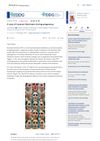
 Pregnancy can trigger severe rosacea, which may be treated with antibiotics and steroids, but there's no clear treatment guideline.
25 citations
,
March 2021 in “Australasian Journal of Dermatology” Ustekinumab successfully treated a man's resistant skin condition when other treatments failed.
 6 citations
,
December 2022 in “International Journal of Molecular Sciences”
6 citations
,
December 2022 in “International Journal of Molecular Sciences” Hormone imbalance is linked to Hidradenitis Suppurativa, a skin condition, and treatments like anti-androgenic therapy and metformin can help. It's also suggested to check patients for insulin resistance and Polycystic Ovary Syndrome.
 1 citations
,
June 2023 in “Genes”
1 citations
,
June 2023 in “Genes” Hair loss from Alopecia Areata is caused by both genes and environment, with several treatments available but challenges in cost and relapse remain.
 1 citations
,
January 2021 in “Journal of the Dermatology Nurses’ Association”
1 citations
,
January 2021 in “Journal of the Dermatology Nurses’ Association” The convention discussed various skin conditions and treatments, and highlighted the importance of vaccinations for patients on immune-altering medications.
January 2025 in “Open Medicine” Acne may signal underlying metabolic issues, and lifestyle changes can help manage both.
 March 2024 in “EMBO molecular medicine”
 Antiviral drugs, especially daclatasvir, may be a new treatment for a rare skin disease, improving survival and reducing symptoms in mice.
 July 2023 in “IntechOpen eBooks”
 New treatments for alopecia areata show promise, but more research is needed to confirm their effectiveness.
37 citations
,
November 2017 in “Medical Sciences” Melanoma's complexity requires personalized treatments due to key genetic mutations and tumor-initiating cells.
13 citations
,
September 2014 in “BMC Complementary and Alternative Medicine” Tanshinone IIA helps protect skin tissue from low oxygen damage by boosting certain cell markers.
 8 citations
,
September 2021 in “Skin appendage disorders”
8 citations
,
September 2021 in “Skin appendage disorders” Trichotillomania treatment is most successful with a mix of behavioral therapy, medication, and social support.
7 citations
,
May 2021 in “Seizure” Some antiseizure medications can cause cosmetic problems like hair loss, excessive hair growth, acne, and gum overgrowth.
6 citations
,
October 2014 in “International Journal of Molecular Sciences” Tanshinone IIA helps protect tissue from low oxygen damage by activating certain cell pathways.
 3 citations
,
January 2021 in “Plastic and Aesthetic Research”
3 citations
,
January 2021 in “Plastic and Aesthetic Research” Hair loss reduces hair thickness and coverage, but drug treatments mainly revive dormant hairs rather than reverse thinning; patients often undervalue their hair loss severity.
 1 citations
,
May 2025 in “Maturitas”
1 citations
,
May 2025 in “Maturitas” Menopause can cause hair loss in women due to hormonal changes, affecting their well-being and quality of life.
 1 citations
,
March 2023 in “Nutrients”
1 citations
,
March 2023 in “Nutrients” The conclusion is that obesity should be managed with a slow, balanced approach to diet and exercise, with medication and surgery as additional options, and education and access to care are important.
 July 2026 in “Applied Sciences”
 Excimer laser therapy can help regrow hair in alopecia areata but is less effective for severe cases and has mixed results for cicatricial alopecia.
 July 2023 in “Developmental medicine and child neurology/Developmental medicine & child neurology”
 DFMO treatment improves hair growth, muscle tone, and development in Bachmann-Bupp syndrome patients.
 31 citations
,
February 2014 in “Journal of dermatological science”
31 citations
,
February 2014 in “Journal of dermatological science” Placental growth factor may help treat hair loss.
 31 citations
,
August 2019 in “Regenerative Medicine”
31 citations
,
August 2019 in “Regenerative Medicine” Human placenta hydrogel helps restore cells needed for hair growth.
28 citations
,
February 2021 in “Stem Cell Research & Therapy” Placental cell medium boosts blood vessel growth in lab tests.
 23 citations
,
January 2003 in “Journal of Pediatric Endocrinology and Metabolism”
23 citations
,
January 2003 in “Journal of Pediatric Endocrinology and Metabolism” About 15% of US Army personnel use hair products containing hormone or placenta, with higher usage among non-whites, females, and enlisted personnel.
 20 citations
,
August 2015 in “International Journal of Molecular Medicine”
20 citations
,
August 2015 in “International Journal of Molecular Medicine” Human placental extract may help hair growth by affecting certain cell signals and could be more effective with minoxidil.