 10 citations
,
June 2019 in “International Journal of Cosmetic Science”
10 citations
,
June 2019 in “International Journal of Cosmetic Science” Some plant-based chemicals may help with hair growth, but more research is needed to confirm their effectiveness.
8 citations
,
July 2021 in “F1000Research” Plant-based compounds might be a promising alternative for prostate cancer treatment with fewer side effects.

Phytochemicals from plants may help improve hormonal health naturally.

Nanocarriers with plant extracts show promise for safe and effective hair growth treatment.
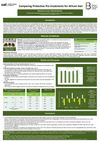 September 2019 in “University of the Arts London Research Online (University of the Arts London)”
 Plant oils and polymers can help protect African hair from damage during styling.
research Hair
1 citations
,
January 2016 in “Springer briefs in molecular science” The document suggests using safer, plant-based hair products instead of harmful synthetic ones.
 January 2025 in “International Journal of Advanced Research in Science Communication and Technology”
 Polyherbal hair dyes are safer and more eco-friendly than chemical dyes.
April 2026 in “ACS Applied Materials & Interfaces” A new microneedle treatment combining plant-derived vesicles and minoxidil may improve hair growth for hair loss.
May 2026 in “International Journal of Cosmetic Science” A plant-based treatment from Avena strigosa seeds effectively repairs and strengthens damaged hair.
 March 2023 in “Kemija u Industriji”
 Castor oil is suitable for use in cosmetics and pharmaceuticals because of its properties.
 January 2022 in “Social Science Research Network”
 A special coating was made for artificial hair fibers that can slowly release silver ions for up to 56 days, providing long-term protection against bacteria and inflammation.
10 citations
,
January 1996 in “OpenDocs (Institute of Development Studies)” African plants are effective for wound healing.
March 2023 in “Agroland: The Agricultural Sciences Journal/Agroland : The Agricultural Sciences Journal” Pontianak Aloe Vera is beneficial for skin and hair care in various cosmetic products.
December 2014 in “대한피부미용학회지” Natural hair-loss preventers from plants and herbs are becoming popular due to fewer side effects and added benefits.
 May 2024 in “Journal of medicinal food”
 Jojoba oil has many uses beyond skincare, including health benefits and pharmaceutical applications.
 47 citations
,
May 2021 in “Polymers”
47 citations
,
May 2021 in “Polymers” Jojoba oil is highly valued for its diverse medicinal and industrial uses.
 8 citations
,
June 2022 in “International Journal of Molecular Sciences”
8 citations
,
June 2022 in “International Journal of Molecular Sciences” Tiny particles called extracellular vesicles show promise for skin improvement and anti-aging in facial care but face challenges like low production and lack of research.
 86 citations
,
July 2020 in “International Journal of Molecular Sciences”
86 citations
,
July 2020 in “International Journal of Molecular Sciences” Activating the Wnt/β-catenin pathway could lead to new hair loss treatments.
 February 2026 in “International Journal of Recent Surgical and Medical Sciences”
 Human exosomes are effective for targeted treatments but face scalability issues, while plant exosomes are cost-effective for cosmetics.
 May 2024 in “International journal of nanomedicine”
 Plant-derived extracellular vesicles show promise for treating diseases like cancer and inflammation.
 March 2021 in “International journal for research in applied science and engineering technology”
 Herbal hair dyes from tannin-rich plants are effective and safer than synthetic dyes.
 75 citations
,
November 2016 in “Medicines”
75 citations
,
November 2016 in “Medicines” Beta-sitosterol has potential health benefits but needs more research to fully understand its effects and improve its use in treatments.
69 citations
,
January 2021 in “Journal of Biological Chemistry” Plant-derived amino acids can help develop new antimicrobial drugs.
1 citations
,
June 2025 in “Journal of Cellular and Molecular Medicine” Plant-derived compounds may help reverse grey hair by boosting melanin production.
 16 citations
,
June 2022 in “Agronomy”
16 citations
,
June 2022 in “Agronomy” Certain natural biostimulants can increase lettuce yield and improve its nutritional content.
 April 2026 in “Nanomaterials”
 Plant-derived vesicles from Ayurvedic plants may improve treatment delivery for hair growth and other conditions.
February 2026 in “Molecular and Cellular Probes” Stem cell and plant exosomes may help heal and regenerate skin.
9 citations
,
July 2025 in “Pharmaceuticals” Plant-derived exosomes can help deliver drugs and enable communication between different organisms.
Plant-derived exosomes show promise for healing skin wounds but need more research and trials.
 March 2026 in “Pharmaceutics”
 Plant-derived nanovesicles show promise in cancer treatment but need standardized preparation.