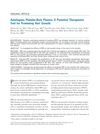
 270 citations
,
March 2012 in “Dermatologic Surgery”
270 citations
,
March 2012 in “Dermatologic Surgery” Platelet-rich plasma can potentially promote hair growth by stimulating cell growth and increasing certain proteins.
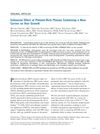 166 citations
,
August 2011 in “Dermatologic Surgery”
166 citations
,
August 2011 in “Dermatologic Surgery” Platelet-rich plasma with a new carrier significantly increases hair thickness without serious side effects.
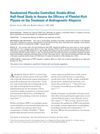 136 citations
,
April 2016 in “Dermatologic Surgery”
136 citations
,
April 2016 in “Dermatologic Surgery” PRP treatment helps hair growth and density in androgenetic alopecia patients.
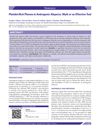 115 citations
,
January 2014 in “Journal of Cutaneous and Aesthetic Surgery”
115 citations
,
January 2014 in “Journal of Cutaneous and Aesthetic Surgery” Platelet-rich plasma (PRP) is a cheap and easy treatment for hair loss, but not suitable for everyone. It also helps in healing ulcers, rejuvenating skin, and improving hair transplants.
 113 citations
,
July 2015 in “Journal of Cosmetic Dermatology”
113 citations
,
July 2015 in “Journal of Cosmetic Dermatology” Platelet-rich plasma may help with hair growth and skin quality but more research is needed to confirm its effectiveness.
 87 citations
,
September 2016 in “Dermatologic Surgery”
87 citations
,
September 2016 in “Dermatologic Surgery” PRP shows potential for treating female hair loss, but more research needed.
 79 citations
,
October 2015 in “Journal of Dermatological Treatment”
79 citations
,
October 2015 in “Journal of Dermatological Treatment” Platelet-rich plasma may have some benefits in dermatology, but there's not enough evidence to widely recommend its use.
 69 citations
,
April 2019 in “Biomedicines”
69 citations
,
April 2019 in “Biomedicines” PRP and HF-MSCs treatment improves hair growth, thickness, and density in androgenetic alopecia.
 63 citations
,
October 2013 in “Dermatologic Surgery”
63 citations
,
October 2013 in “Dermatologic Surgery” Platelet-Rich Plasma (PRP) increases the number of new hair follicles and speeds up hair formation.
 57 citations
,
October 2018 in “Journal of The American Academy of Dermatology”
57 citations
,
October 2018 in “Journal of The American Academy of Dermatology” Platelet-rich plasma treatment can significantly increase hair count and density in men with pattern baldness, and these improvements can last up to 3 months.
 57 citations
,
May 2016 in “Journal of Dermatological Treatment”
57 citations
,
May 2016 in “Journal of Dermatological Treatment” PRP therapy may effectively treat hair loss, but more research needed.
 54 citations
,
December 2014 in “Wound Repair and Regeneration”
54 citations
,
December 2014 in “Wound Repair and Regeneration” PRP injections may improve hair thickness and density in female hair loss patients.
 39 citations
,
March 2019 in “Dermatologic Surgery”
39 citations
,
March 2019 in “Dermatologic Surgery” PRP therapy increases hair density for androgenetic alopecia.
 36 citations
,
August 2017 in “Journal of Cosmetic Dermatology”
36 citations
,
August 2017 in “Journal of Cosmetic Dermatology” PRP with microneedling effectively treats hair loss, and dermoscopy helps evaluate results.
 25 citations
,
July 2017 in “Journal of Stomatology, Oral and Maxillofacial Surgery”
25 citations
,
July 2017 in “Journal of Stomatology, Oral and Maxillofacial Surgery” PRP injections help regrow hair, reduce hair loss, and increase hair thickness, but effects decrease without ongoing treatment.
 21 citations
,
June 2019 in “Dermatologic Surgery”
21 citations
,
June 2019 in “Dermatologic Surgery” Platelet-rich plasma (PRP) treatment has been found effective in promoting hair growth for alopecia patients, with minimal side effects like temporary pain and redness.
 20 citations
,
September 2019 in “Journal of Cosmetic Dermatology”
20 citations
,
September 2019 in “Journal of Cosmetic Dermatology” SVF-PRP therapy effectively reverses hair loss effects.
 20 citations
,
October 2018 in “Aesthetic Plastic Surgery”
20 citations
,
October 2018 in “Aesthetic Plastic Surgery” PRP shows promise for improving facial wrinkles, skin elasticity, and hair growth, but more research is needed to standardize its use and understand its effects.
 18 citations
,
November 2016 in “Journal of Oral and Maxillofacial Surgery”
18 citations
,
November 2016 in “Journal of Oral and Maxillofacial Surgery” Platelet-Rich Plasma (PRP) treatment can potentially increase hair density and quality in people with hair loss, but more research is needed to confirm its effectiveness.
 17 citations
,
March 2021 in “Expert Opinion on Biological Therapy”
17 citations
,
March 2021 in “Expert Opinion on Biological Therapy” Use PRP and ASC-BT for hair loss and wound healing, but more research needed.
 14 citations
,
March 2019 in “Journal of Cosmetic Dermatology”
14 citations
,
March 2019 in “Journal of Cosmetic Dermatology” Activated platelet-rich plasma helps hair growth by boosting growth factors and cell growth pathways in hair cells.
 13 citations
,
February 2024 in “Cureus”
13 citations
,
February 2024 in “Cureus” Platelet-rich plasma can speed up bone healing and shows promise in orthopaedic treatments.
 13 citations
,
January 2016 in “Journal of the Egyptian Women's Dermatologic Society (Print)”
13 citations
,
January 2016 in “Journal of the Egyptian Women's Dermatologic Society (Print)” Minoxidil works faster and is more cost-effective for treating hair loss, but platelet-rich plasma microneedling can be an alternative for those who can't use minoxidil.
 12 citations
,
March 2019 in “Journal of Cosmetic Dermatology”
12 citations
,
March 2019 in “Journal of Cosmetic Dermatology” PRP injections improve hair thickness and density in hair loss, but more research needed.
 12 citations
,
December 2017 in “Journal of Investigative Dermatology Symposium Proceedings”
12 citations
,
December 2017 in “Journal of Investigative Dermatology Symposium Proceedings” Platelet-rich plasma and microneedling could potentially help hair growth in people with alopecia areata, but more research is needed.
 12 citations
,
April 2015 in “InTech eBooks”
12 citations
,
April 2015 in “InTech eBooks” Platelet Rich Plasma (PRP) shows promise for tissue repair and immune response, but more research is needed to fully understand it and optimize its use.
 10 citations
,
September 2020 in “Archives of Dermatological Research”
10 citations
,
September 2020 in “Archives of Dermatological Research” Both methods improve hair density and thickness; double-spin may be more effective.
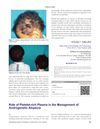 10 citations
,
January 2012 in “International Journal of Trichology”
10 citations
,
January 2012 in “International Journal of Trichology” PRP helps hair growth in common hair loss disorder.
 8 citations
,
August 2020 in “Experimental dermatology”
8 citations
,
August 2020 in “Experimental dermatology” PRP therapy for alopecia shows inconsistent results due to natural variability in growth factor secretion by platelets.
 6 citations
,
October 2018 in “Dermatologic Surgery”
6 citations
,
October 2018 in “Dermatologic Surgery” PRP therapy helps slow hair loss and increases hair thickness.