 24 citations
,
July 2017 in “Structure”
24 citations
,
July 2017 in “Structure” FGF9 controls which receptors it binds to through a process where two FGF9 molecules join, and changes in FGF9 can lead to incorrect receptor activation.
2 citations
,
May 2019 in “Small ruminant research” Mutations in specific llama genes may affect fiber quality for textiles.
4 citations
,
February 2023 in “Stem Cell Research & Therapy” Mouse skin cells can become sperm-like cells in the lab.
 108 citations
,
January 2003 in “Journal of Cosmetic Dermatology”
108 citations
,
January 2003 in “Journal of Cosmetic Dermatology” Wrinkles form due to structural skin changes and vary in type and treatment response.
 1 citations
,
December 1972 in “Journal of Colloid and Interface Science”
1 citations
,
December 1972 in “Journal of Colloid and Interface Science” Ethanol spreads well on hair at low humidity but less so at higher humidity due to water condensation.
 August 2016 in “Journal of Investigative Dermatology”
 Researchers found a new genetic mutation linked to a hair condition in a Japanese boy.

Mechanical surface cues can control macrophage behavior for better immunotherapy and tissue healing.
 June 2023 in “Research Square (Research Square)”
 Hyaluronic acid and polycaprolactone improve skin regeneration, with polycaprolactone having a stronger effect on healing and tissue repair.
 3 citations
,
April 2022 in “Frontiers in Physiology”
3 citations
,
April 2022 in “Frontiers in Physiology” Ptch2 plays a key role in controlling stem cell function and the ability to regenerate after birth.
Frizzy hair is fragile and can lead to hair loss and damage if not properly cared for.
 November 2022 in “Journal of Investigative Dermatology”
 Human-induced stem cell-created skin models can help understand skin diseases by studying the skin's layers.
3 citations
,
July 2023 in “Acta Biomaterialia” PepACS offers a safer, eco-friendly way to perm, dye, and repair hair.
3 citations
,
September 2023 in “Stem Cell Research & Therapy” Stem cells can be used to create long-lasting skin cells for treating pigment disorders.
24 citations
,
December 2016 in “Stem Cell Research & Therapy” P311 helps skin stem cells become myofibroblast-like cells, aiding wound healing.
5 citations
,
May 2021 in “EMBO journal” Cell polarity signaling controls tissue mechanics and cell fate, with complex interactions and varying pathways across species.
 January 2024 in “Indian Journal of Pharmaceutical Sciences”
 Relaxing certain muscles might straighten curly hair.

Fraser's Dolphin can heal skin wounds with minimal scarring, unlike humans.
2 citations
,
January 2014 in “Photochemical & photobiological sciences” Grasp protein helps maintain skin health after UVB exposure.
7 citations
,
April 2024 in “Life Medicine” Standardizing and engineering organoids can improve their use in medicine and drug testing.
143 citations
,
January 2012 in “Cell and Tissue Research” October 2025 in “Jurnal Mutu Pangan Indonesian Journal of Food Quality” Adding 25% Brebes shallot powder to wet noodles extends their shelf life and improves flavor but reduces elasticity.
95 citations
,
October 2007 in “International Journal of Dermatology” A new method accurately classifies hair types, showing global hair diversity.

Sensory neurons and Merkel cells remodel at different rates during normal skin maintenance.
Retinoic acid can change skin development, like turning scales into feathers or forming glands.
 June 2022 in “bioRxiv (Cold Spring Harbor Laboratory)”
 A specific molecular switch, driven by MAPK/ERK signaling, helps spiny mice heal wounds by regenerating skin instead of forming scars.
1 citations
,
April 2021 in “IntechOpen eBooks” The PCR technique can identify genetic differences in a wool-related gene among different sheep breeds, which may help improve wool and pelt quality.
 6 citations
,
December 1966 in “Textile Research Journal”
6 citations
,
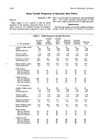
December 1966 in “Textile Research Journal” Animal hair fibers like wool and mohair are strong when dry, but vicuna fibers are very brittle.
 April 2024 in “arXiv (Cornell University)”
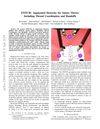
 STITCH improves suture accuracy and efficiency, especially with human help.
Polyglutamic acid is a valuable, sustainable ingredient for skincare and haircare products.