44 citations
,
January 2017 in “Journal of Investigative Dermatology” Mutations in the KLHL24 gene cause skin blistering in epidermolysis bullosa simplex.
 April 2016 in “Journal of Investigative Dermatology”
 Double-stranded RNA activates a pathway that causes a skin protein to be expressed in the wrong place.
July 2026 in “Frontiers in Endocrinology” PRLR mutations affect cattle growth and hair weight in hot climates.
39 citations
,
August 1998 in “FEBS Letters” Two new enzymes, PAD-R11 and PAD-R4, were cloned and showed activity, with PAD-R11 resembling epidermal enzymes.
 April 2023 in “The journal of investigative dermatology/Journal of investigative dermatology”
 SETDB1 is essential for controlling DNA methylation, silencing retrotransposons, and maintaining skin cell health, with its absence leading to skin inflammation and hair loss.
December 2016 in “The journal of investigative dermatology/Journal of investigative dermatology” Hedgehog signaling controls hair follicle development and can affect skin cancer growth.
1 citations
,
January 2025 in “Burns & Trauma” Targeting Midkine can help reduce pain and itching in keloids.
 52 citations
,
April 2013 in “Developmental Cell”
52 citations
,
April 2013 in “Developmental Cell” Brg1 is crucial for hair growth and skin repair by maintaining stem cells and promoting regeneration.
3 citations
,
February 2018 in “Experimental and Molecular Medicine/Experimental and molecular medicine” A protein called PCBP2 controls the production of a hair growth protein by interacting with its genetic message and is linked to hair loss when this control is disrupted.
17 citations
,
October 2021 in “Cellular & Molecular Biology Letters” New biomarkers and potential treatments for skin diseases were identified.
52 citations
,
September 2012 in “Oncogene”  146 citations
,
June 2012 in “PLoS ONE”
146 citations
,
June 2012 in “PLoS ONE” Paneth cells help support stem cells and aid tissue regeneration after injury.
101 citations
,
November 2019 in “The Plant Cell” AtZP1 protein stops root hair growth in plants by blocking certain genes.
 73 citations
,
April 2013 in “Stem cells”
73 citations
,
April 2013 in “Stem cells” LGR5 helps maintain corneal cell characteristics and prevents unwanted changes by controlling specific cell signaling pathways.
11 citations
,
November 2015 in “Carcinogenesis” Deleting TNFα gene reduces skin cancer risk in certain mice.
 30 citations
,
February 2017 in “Histochemistry and Cell Biology”
30 citations
,
February 2017 in “Histochemistry and Cell Biology” TPA promotes hair growth by increasing stem cell activity and activating specific cell signals.
1 citations
,
November 2022 in “Journal of Investigative Dermatology” ALRN-6924 may prevent hair loss caused by chemotherapy.
January 2025 in “Genetics in Medicine Open” A new gene variant in a girl with Coffin-Lowry Syndrome may link the condition to early puberty.
3 citations
,
March 2024 in “iScience” Long-lived proteins may predict age-related diseases.
29 citations
,
October 2010 in “Journal of Investigative Dermatology” Activating Kras in mouse skin causes excess skin and hair loss.

Poly-L-lactic acid injections can cause hair loss and skin issues.

Proper niche formation in Drosophila requires Slit-Robo signaling for cell migration.
October 2010 in “한국식품영양과학회 산업심포지움발표집” Fermented Liriope platyphylla helps hair grow in mice with hair loss.
 April 2017 in “Journal of Investigative Dermatology”
 Triptolide effectively and safely reduces actinic keratosis lesions in mice.
 April 2017 in “Journal of Investigative Dermatology”
 Targeted siRNA therapy may be a promising treatment for KID syndrome by reducing mutant gene expression and improving cell communication.
12 citations
,
January 2000 in “Biochemical and Biophysical Research Communications” The study mapped keratin 15 and 19 genes, aiding future genetic disorder research.
7 citations
,
April 2004 in “International Journal of Dermatology” The newborn's skin blistering is due to a genetic condition called epidermolytic hyperkeratosis.
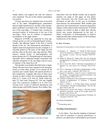 January 1999 in “Journal of the European Academy of Dermatology and Venereology”
 RAPK is a rare skin disorder with pigmented spots, mainly on hands and feet, starting in youth.
29 citations
,
February 2001 in “Proceedings of the National Academy of Sciences” A specific DNA region controls skin cell gene expression by working with certain proteins.
62 citations
,
October 2018 in “Journal of pathology” Keratin 17 is linked to various diseases, including cancer and skin conditions, and may be a target for diagnosis and treatment.