 30 citations
,
December 2011 in “Journal of biological chemistry/The Journal of biological chemistry”
30 citations
,
December 2011 in “Journal of biological chemistry/The Journal of biological chemistry” Keratin 17 is modified by RSK1 in response to growth and stress, affecting skin growth and stress response.
January 2006 in “Chinese Journal of Dermatology” Amelanotic melanocytes from hair follicles are immature and likely don't transfer melanosomes to keratinocytes.
 1 citations
,
April 2023 in “Journal of Animal Science and Biotechnology”
1 citations
,
April 2023 in “Journal of Animal Science and Biotechnology” Melatonin helps grow more secondary hair follicles in young goats, improving cashmere production.
 June 2023 in “British Journal of Dermatology”
 The prototype for analyzing skin aging works technically and clinically.
April 2026 in “The FASEB Journal” Exosomal miR-199a-3p from dermal papilla cells helps control hair color by affecting melanocytes.
 59 citations
,
January 2015 in “Nanoscale”
59 citations
,
January 2015 in “Nanoscale” The new micelle formulation delivers acne treatment more effectively and safely than current gels.
8 citations
,
July 2022 in “International Journal of Molecular Sciences” 17β-estradiol lowers polyamine oxidase levels in breast cancer cells through estrogen receptor 2.
6 citations
,
February 2024 in “Pharmaceutics” ELIP-based CRISPR delivery improves heart disease gene editing but needs more testing.
 4 citations
,
July 2021 in “bioRxiv (Cold Spring Harbor Laboratory)”
4 citations
,
July 2021 in “bioRxiv (Cold Spring Harbor Laboratory)” BLMP-1 is important for regular molting and gene expression cycles in worms.

Placenderm® improves scalp elasticity and hair quality safely.
 26 citations
,
May 2012 in “Pharmaceutical Development and Technology”
26 citations
,
May 2012 in “Pharmaceutical Development and Technology” PEVs effectively deliver minoxidil through skin.
161 citations
,
June 1994 in “The journal of investigative dermatology/Journal of investigative dermatology” Hair stops producing melanin as it transitions from the growth phase to the resting phase.
49 citations
,
August 2022 in “Frontiers in Immunology” Psoriasis involves an imbalance between certain immune cells, and targeting these could help restore skin health.
August 2009 in “Mechanisms of Development” January 2026 in “British Journal of Dermatology” ELF5 is essential for skin cell growth and maintenance.
 4 citations
,
August 2022 in “The Scientific World Journal”
4 citations
,
August 2022 in “The Scientific World Journal” Merremia peltata leaf extract, particularly the bufotalinin compound, shows potential for treating hair loss.
133 citations
,
August 1969 in “Science” Melatonin causes weasels to grow white fur and become reproductively inactive.
September 2006 in “Experimental Dermatology” Targeting multiple pathways and understanding genetic mutations are crucial for effective melanoma therapy.
4 citations
,
July 2022 in “The Journal of Clinical Endocrinology & Metabolism” A specific genetic mutation causes POMC deficiency, leading to symptoms like weight gain and red hair.
43 citations
,
May 1999 in “Journal of Biological Chemistry” Agouti protein affects melanocortin receptors through competitive antagonism and receptor down-regulation.
November 2025 in “Journal of Investigative Dermatology” July 2024 in “Journal of Investigative Dermatology” CRISPR/Cas9 and prime editing can potentially fix skin disorder genes safely and effectively.
9 citations
,
April 2010 in “The Journal of Dermatology” Nestin helps identify certain melanoma cells in nodular melanoma.
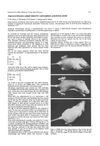 2 citations
,
September 1980 in “Experientia”
2 citations
,
September 1980 in “Experientia” Polyethylene alanine caused hair loss in young lab animals but not in adults, with hair regrowth occurring within 20 days.
1 citations
,
January 1981 in “Elsevier eBooks” Melatonin stops melanin production after tyrosinase action, with cyclic GMP mimicking this effect.
 November 2022 in “Journal of Investigative Dermatology”
 Dynlt3 is important for melanosome transport and skin coloration.
1 citations
,
June 2011 in “Journal of the Society of Cosmetic Scientists of Korea” The modified oriental prescriptions help hair growth and melanin production without irritating the skin.
Melatonin can improve treatment and extend remission for certain skin conditions.
May 2025 in “International Journal of Biological Macromolecules” A new microneedle treatment shows promise for better hair regrowth in androgenetic alopecia.
December 2025 in “eTheses of Maulana Malik Ibrahim State Islamic University (Maulana Malik Ibrahim State Islamic University)” A traditional plant mix from East Nusa Tenggara boosts hair growth in mice.